THE ADVENTURE COLLECTIVE® · Independent discovery and booking for outdoor travel

Move from manicured tea slopes into dense rainforest and then across the Brahmaputra to Majuli—India’s great river island. This private multi-day tour pairs wildlife and birding with hands-on cultural visits to tea estates, satras and Mishing villages.
Move from manicured tea slopes into dense rainforest and then across the Brahmaputra to Majuli—India’s great river island. This private multi-day tour pairs wildlife and birding with hands-on cultural visits to tea estates, satras and Mishing villages.
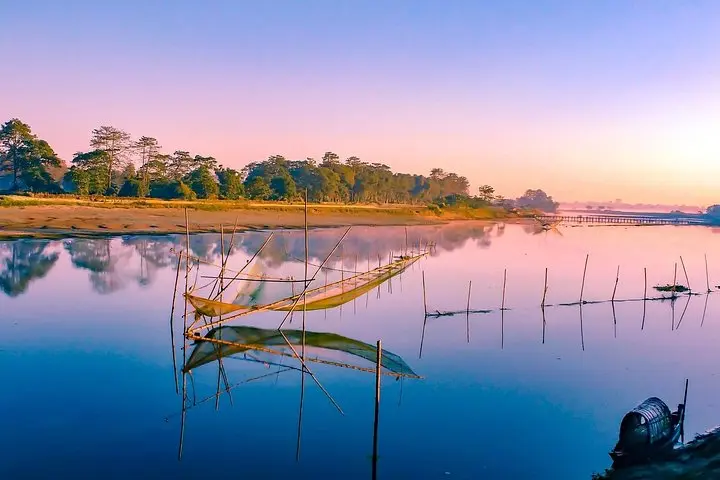
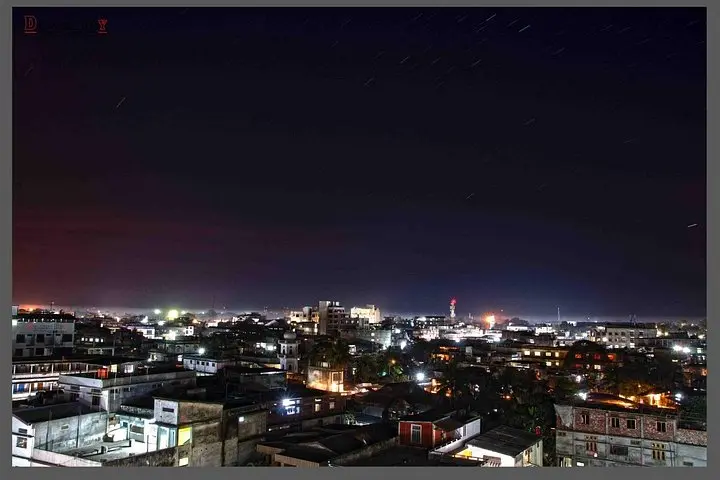
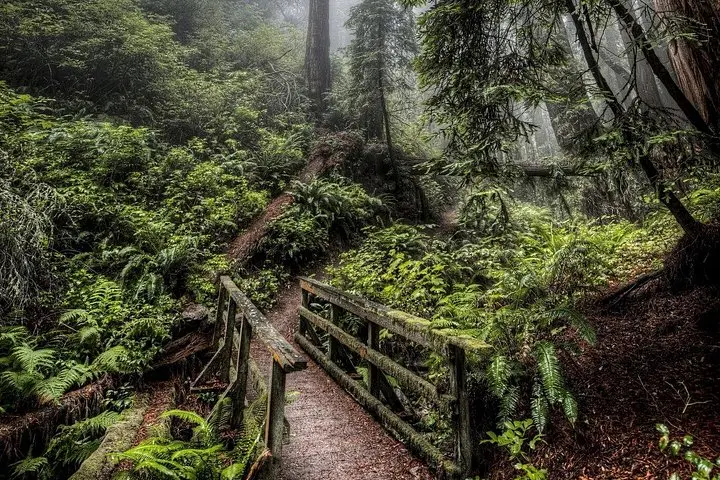
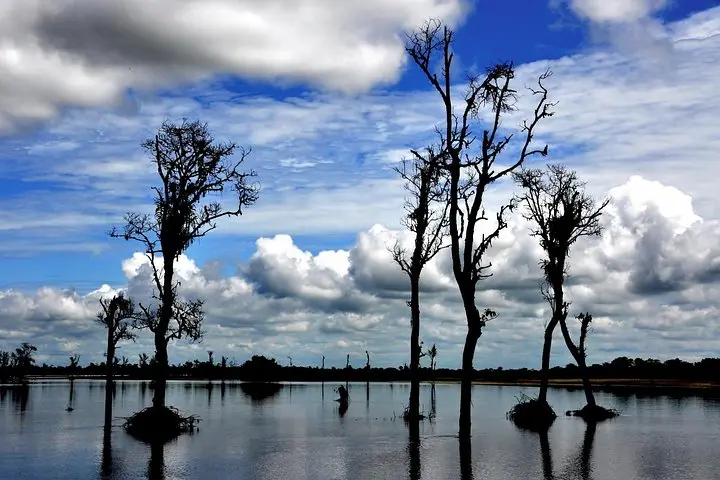
Morning light slices across the Brahmaputra and the air smells faintly of tea and river silt as visitors step out in Dibrugarh. The tour moves with calm momentum: manicured tea slopes giving way to a living rainforest, then to the slow tidal roll of India’s largest river island, Majuli. The itinerary threads plantations, a botanical garden, Jeypore’s dense canopy and traditional satras, creating a portrait of Assam that is both wild and cultivated.
Verified experiences and guided adventures in the surrounding area.
Operated by Agora Voyages Pvt. Ltd. · Dibrugarh, Assam
Morning light slices across the Brahmaputra and the air smells faintly of tea and river silt as visitors step out in Dibrugarh. The tour moves with calm momentum: manicured tea slopes giving way to a living rainforest, then to the slow tidal roll of India’s largest river island, Majuli. The itinerary threads plantations, a botanical garden, Jeypore’s dense canopy and traditional satras, creating a portrait of Assam that is both wild and cultivated.
Geology here is recent—alluvial plains fed by the Brahmaputra’s seasonal moods—so landscapes shift and islands grow and erode. Tea estates such as Mancotta sit on gently undulating terrain shaped by centuries of riverine deposits; Jeypore Rainforest retains pockets of wet evergreen biodiversity where hornbills and orchids find refuge. Culturally, Majuli is a Vaishnavite stronghold where mask-making and satra performances keep ritual arts alive; the Mishing community adds riverside village life and craft traditions.
Practically, expect long drives (Dibrugarh–Jeypore ~65 km one way; Dibrugarh–Majuli by road + ferry ~155 km/4 hrs) and at least one ferry crossing of the Brahmaputra. Early mornings are best for birding and elephant sightings; mid-day is humid and slow. Wear sturdy walking shoes for muddy trails, carry insect repellent and sunscreen, and keep copies of travel documents for ferry check-ins. Guides handle local permits and logistics, but independent travelers should budget extra time for river transport variability. The trip balances easy cultural access with genuine wildlife and landscape encounters—an immersive four-day passage through Assam’s living, changing heart.
Travel typically uses road transfer to a ghat and a passenger ferry across the Brahmaputra; total transit Dibrugarh–Majuli takes around 3.5–5 hours depending on route and river conditions.
Yes—this private tour is paced for a broad range of travelers, though those with limited mobility should note ferries and uneven village terrain may be challenging.
Look for riverine birds including migratory waterfowl, hornbills in forest patches, and occasional elephant sightings in protected areas near Jeypore.
Routine travel vaccinations are recommended; consult a travel health clinic about typhoid and any region-specific advice—carry anti-diarrheal medication and stay hydrated.
Agora Voyages Pvt. Ltd. operates guided outdoor trips and adventures with an emphasis on safety, stewardship, and memorable experiences.
Morning light slices across the Brahmaputra and the air smells faintly of tea and river silt as visitors step out in Dibrugarh. The tour moves with calm momentum: manicured tea slopes giving way to a living rainforest, then to the slow tidal roll of India’s largest river island, Majuli. The itinerary threads plantations, a botanical garden, Jeypore’s dense canopy and traditional satras, creating a portrait of Assam that is both wild and cultivated.
Morning light slices across the Brahmaputra and the air smells faintly of tea and river silt as visitors step out in Dibrugarh. The tour moves with calm momentum: manicured tea slopes giving way to a living rainforest, then to the slow tidal roll of India’s largest river island, Majuli. The itinerary threads plantations, a botanical garden, Jeypore’s dense canopy and traditional satras, creating a portrait of Assam that is both wild and cultivated.
Geology here is recent—alluvial plains fed by the Brahmaputra’s seasonal moods—so landscapes shift and islands grow and erode. Tea estates such as Mancotta sit on gently undulating terrain shaped by centuries of riverine deposits; Jeypore Rainforest retains pockets of wet evergreen biodiversity where hornbills and orchids find refuge. Culturally, Majuli is a Vaishnavite stronghold where mask-making and satra performances keep ritual arts alive; the Mishing community adds riverside village life and craft traditions.
Practically, expect long drives (Dibrugarh–Jeypore ~65 km one way; Dibrugarh–Majuli by road + ferry ~155 km/4 hrs) and at least one ferry crossing of the Brahmaputra. Early mornings are best for birding and elephant sightings; mid-day is humid and slow. Wear sturdy walking shoes for muddy trails, carry insect repellent and sunscreen, and keep copies of travel documents for ferry check-ins. Guides handle local permits and logistics, but independent travelers should budget extra time for river transport variability. The trip balances easy cultural access with genuine wildlife and landscape encounters—an immersive four-day passage through Assam’s living, changing heart.