THE ADVENTURE COLLECTIVE® · Independent discovery and booking for outdoor travel

Walk from the U.S. Capitol to the White House and stand where presidential history nearly changed forever. This 2½-hour guided tour traces four assassination attempts and the urban layout that shaped them.
Walk from the U.S. Capitol to the White House and stand where presidential history nearly changed forever. This 2½-hour guided tour traces four assassination attempts and the urban layout that shaped them.
You start on the west edge of the Capitol grounds, the marble steps still cool underfoot as the city hums around you. The guide leads the group backward through bays of government buildings and across the flat stretch of the National Mall, pointing out doorways and curbs where history shifted—places that look ordinary until you hear the story.
Verified experiences and guided adventures in the surrounding area.
Operated by Walking Backward Tours · Washington, DC
You start on the west edge of the Capitol grounds, the marble steps still cool underfoot as the city hums around you. The guide leads the group backward through bays of government buildings and across the flat stretch of the National Mall, pointing out doorways and curbs where history shifted—places that look ordinary until you hear the story.
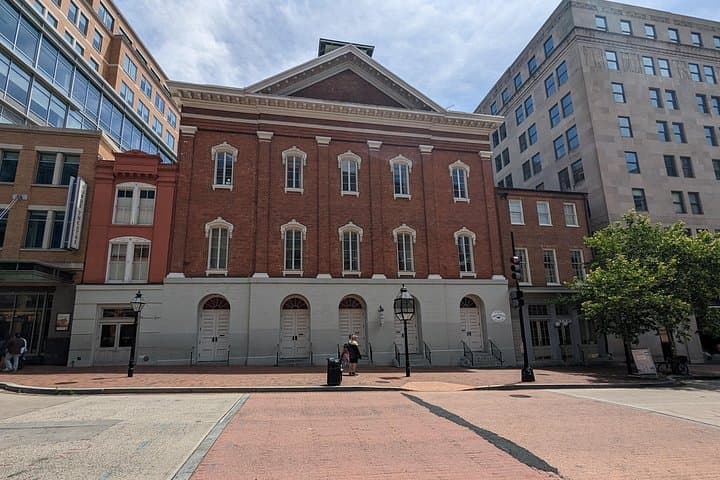
The itinerary threads through 19th- and 20th-century politics: a failed shot on the Capitol steps, the rail-station shooting that redirected a presidency, Ford's Theatre where Lincoln's life ended, and the 1950 attack outside the President’s Guest House. Washington's layout—L'Enfant's axes and view corridors—made the city both stage and target; the wide avenues and open parks shaped how events unfolded.
This is an urban walk as much about architecture and civic ritual as crime. Pavement and bronze plaques will hold the details while plaques, facades, and small alleys reveal cultural quirks: how press, protest, and public access have shaped presidential security.
Practical guidance: expect 2–3 hours and roughly 1.5–2 miles of mostly flat walking with stops. Wear supportive shoes, bring water and a transit card, and plan mornings or late afternoons to avoid peak crowds. The tour is suitable for teens and adults and includes sober, evidence-driven storytelling rather than sensationalism. Because you’ll be in protected federal spaces, carry ID, follow your guide’s directions, and leave drones and large bags at your hotel. This walk delivers history up close—direct, human, and unvarnished—while giving you the logistical know-how to move through DC like someone who spends time on its streets.
Expect about 1.5–2 miles of walking with 4–6 interpretive stops over roughly 2–2.5 hours.
Recommended for ages 13 and up due to mature subject matter; younger children may find the content upsetting.
Bring your mobile or printed ticket and a government-issued ID—you’ll be in federal spaces where ID checks can occur.
Public restrooms exist at select points (visitor centers and museums nearby) but plan ahead and use facilities before the tour starts.
Walking Backward Tours operates guided outdoor trips and adventures with an emphasis on safety, stewardship, and memorable experiences.


You start on the west edge of the Capitol grounds, the marble steps still cool underfoot as the city hums around you. The guide leads the group backward through bays of government buildings and across the flat stretch of the National Mall, pointing out doorways and curbs where history shifted—places that look ordinary until you hear the story.
You start on the west edge of the Capitol grounds, the marble steps still cool underfoot as the city hums around you. The guide leads the group backward through bays of government buildings and across the flat stretch of the National Mall, pointing out doorways and curbs where history shifted—places that look ordinary until you hear the story.
The itinerary threads through 19th- and 20th-century politics: a failed shot on the Capitol steps, the rail-station shooting that redirected a presidency, Ford's Theatre where Lincoln's life ended, and the 1950 attack outside the President’s Guest House. Washington's layout—L'Enfant's axes and view corridors—made the city both stage and target; the wide avenues and open parks shaped how events unfolded.
This is an urban walk as much about architecture and civic ritual as crime. Pavement and bronze plaques will hold the details while plaques, facades, and small alleys reveal cultural quirks: how press, protest, and public access have shaped presidential security.
Practical guidance: expect 2–3 hours and roughly 1.5–2 miles of mostly flat walking with stops. Wear supportive shoes, bring water and a transit card, and plan mornings or late afternoons to avoid peak crowds. The tour is suitable for teens and adults and includes sober, evidence-driven storytelling rather than sensationalism. Because you’ll be in protected federal spaces, carry ID, follow your guide’s directions, and leave drones and large bags at your hotel. This walk delivers history up close—direct, human, and unvarnished—while giving you the logistical know-how to move through DC like someone who spends time on its streets.