THE ADVENTURE COLLECTIVE® · Independent discovery and booking for outdoor travel

Visit Assin Manso’s sacred river and Cape Coast Castle’s Door of No Return on a full-day diaspora healing tour. This experience combines reflective ceremony, guided history, and visits to powerful heritage sites.
Visit Assin Manso’s sacred river and Cape Coast Castle’s Door of No Return on a full-day diaspora healing tour. This experience combines reflective ceremony, guided history, and visits to powerful heritage sites.
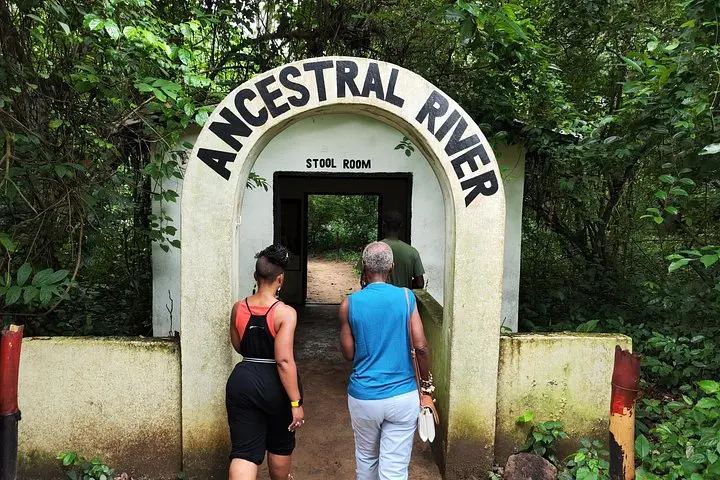
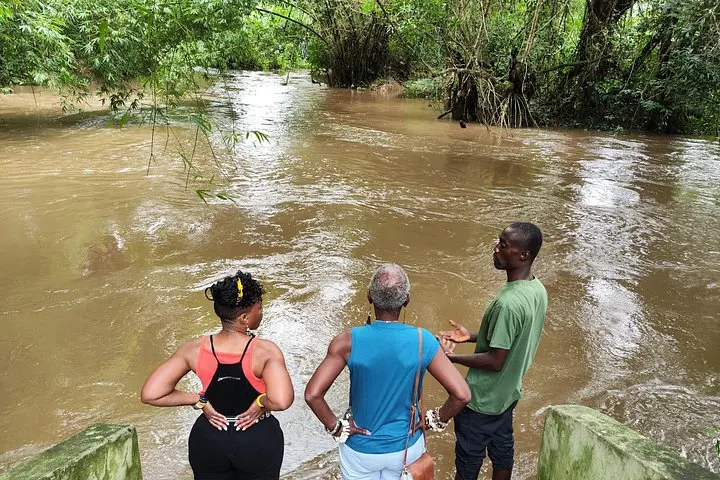
Standing at the edge of the Assin Manso river, the water moves with a steady, quiet insistence, as if carrying memory downstream.
Verified experiences and guided adventures in the surrounding area.
Operated by Ghana Must Go Tours · Cape Coast, Central Region
Standing at the edge of the Assin Manso river, the water moves with a steady, quiet insistence, as if carrying memory downstream.
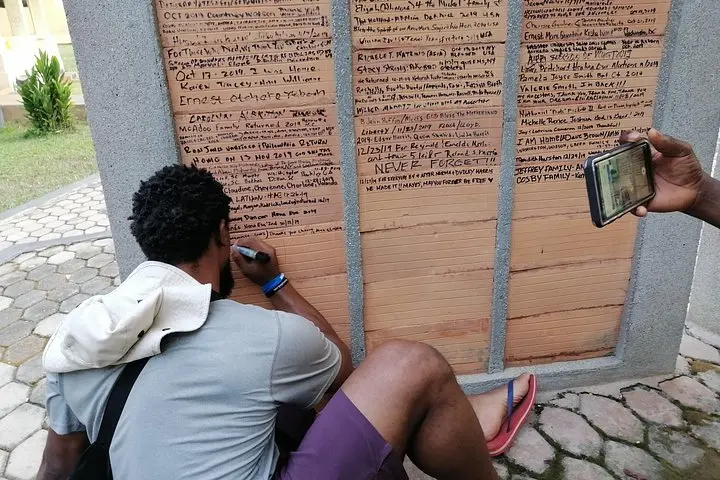
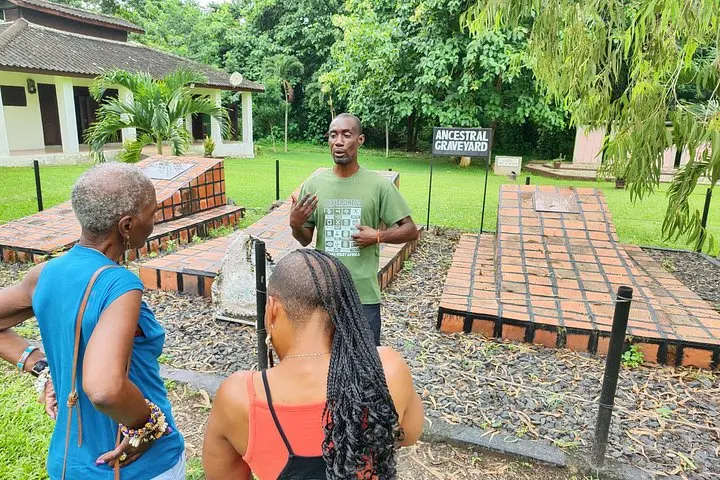
The one-day tour threads together two of Ghana’s most powerful historic sites: the shallow, sacred river where captives bathed for a final time, and the Cape Coast Castle whose Door of No Return opens onto the Atlantic. Visitors encounter layered histories here — Akan, European trade economies, and the trans-Atlantic slave trade — written into stone forts and oral traditions kept alive by descendants and local guides.
Geology along this stretch of Ghana’s central coast is straightforward: low coastal plains of lateritic soils, mangrove remnants near streams, and eroded sandstone and coral rock where forts were built. Culture is present in rhythm — drumming, annual Emancipation durbars on August 1, and the careful rituals of wreath-laying and river cleansing that many groups observe.
Practical guidance: expect an 8–10 hour day with guided walks, museum stops, and time for reflection at the river. Wear closed-toe shoes for uneven castle steps, sun protection for exposed courtyards, and modest clothing out of respect. Bring water, a camera, and tissues — some moments are emotional. Photography rules vary inside dungeons and memorial spaces; follow the guide. If you have mobility or health concerns, flag them at booking: parts of the castle involve steep steps and narrow passages.
This tour is less about sightseeing and more about presence — listening, learning, and leaving quietly changed.
This private day tour runs approximately 8–10 hours including travel time between Accra/Cape Coast and site visits.
Some groups perform symbolic washings; follow the guide and local protocols — bring appropriate clothing and be prepared for a simple, respectful ritual.
It’s suitable for most ages, but castle dungeons have steep stairs and confined spaces; notify the operator about mobility concerns before booking.
The tour lists lunch, bottled water, and all fees and taxes as included; confirm any optional donations or additional museum purchases.
Ghana Must Go Tours operates guided outdoor trips and adventures with an emphasis on safety, stewardship, and memorable experiences.
Standing at the edge of the Assin Manso river, the water moves with a steady, quiet insistence, as if carrying memory downstream.
Standing at the edge of the Assin Manso river, the water moves with a steady, quiet insistence, as if carrying memory downstream.
The one-day tour threads together two of Ghana’s most powerful historic sites: the shallow, sacred river where captives bathed for a final time, and the Cape Coast Castle whose Door of No Return opens onto the Atlantic. Visitors encounter layered histories here — Akan, European trade economies, and the trans-Atlantic slave trade — written into stone forts and oral traditions kept alive by descendants and local guides.
Geology along this stretch of Ghana’s central coast is straightforward: low coastal plains of lateritic soils, mangrove remnants near streams, and eroded sandstone and coral rock where forts were built. Culture is present in rhythm — drumming, annual Emancipation durbars on August 1, and the careful rituals of wreath-laying and river cleansing that many groups observe.
Practical guidance: expect an 8–10 hour day with guided walks, museum stops, and time for reflection at the river. Wear closed-toe shoes for uneven castle steps, sun protection for exposed courtyards, and modest clothing out of respect. Bring water, a camera, and tissues — some moments are emotional. Photography rules vary inside dungeons and memorial spaces; follow the guide. If you have mobility or health concerns, flag them at booking: parts of the castle involve steep steps and narrow passages.
This tour is less about sightseeing and more about presence — listening, learning, and leaving quietly changed.