THE ADVENTURE COLLECTIVE® · Independent discovery and booking for outdoor travel

Walk fifteen blocks through Astoria with a local guide and taste five countries in three hours. This small-group tour highlights hole-in-the-wall eateries, market stops, and the neighborhood stories behind each dish.
Walk fifteen blocks through Astoria with a local guide and taste five countries in three hours. This small-group tour highlights hole-in-the-wall eateries, market stops, and the neighborhood stories behind each dish.
A late-morning meet-up at Dar Lbahja sets the tone: warm Moroccan spices, the chatter of a neighborhood that moves at its own syncopated pace, and a guide who knows which kitchens open early and which dishes tell a story. Over three hours the group threads roughly fifteen blocks of Astoria — a working-class Queens corridor where storefronts press up against subway vents and salt air from the East River still lingers in the laneways.
Verified experiences and guided adventures in the surrounding area.
Operated by Unscripted Tours · Astoria, NY
A late-morning meet-up at Dar Lbahja sets the tone: warm Moroccan spices, the chatter of a neighborhood that moves at its own syncopated pace, and a guide who knows which kitchens open early and which dishes tell a story. Over three hours the group threads roughly fifteen blocks of Astoria — a working-class Queens corridor where storefronts press up against subway vents and salt air from the East River still lingers in the laneways.
Astoria grew as an immigrant gateway in the 19th and 20th centuries; Greek diners and Italian delis sit cheek-by-jowl with newer arrivals from Egypt, Brazil and the Middle East. The neighborhood’s geology — low-lying coastal plain trimmed by urban fill and piers — shaped its early industry and today makes walking easy and relatively flat. Culturally, food here is a practice as much as a product: markets where fishermen unload their catch, chefs who cook from family recipes, and proprietors who’ll talk technique over a plastic counter.
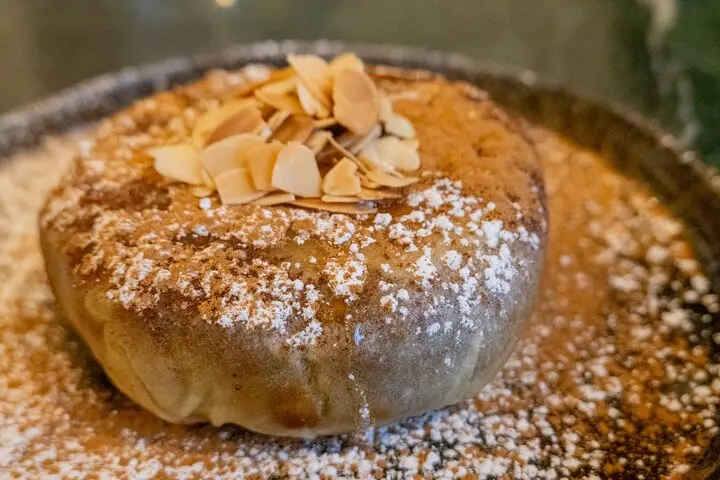
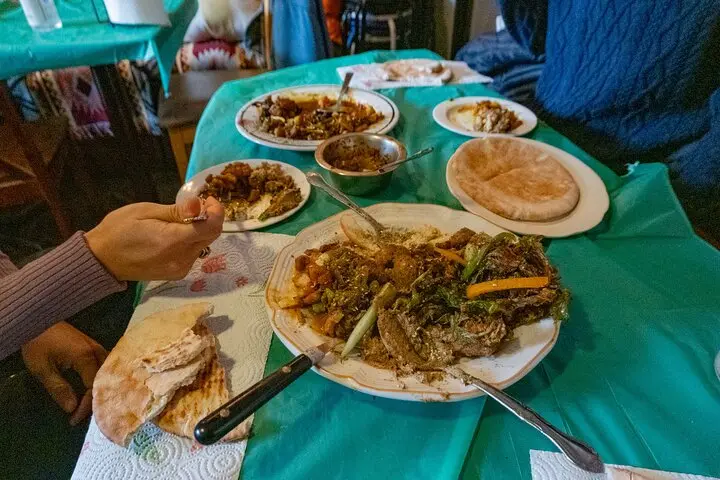
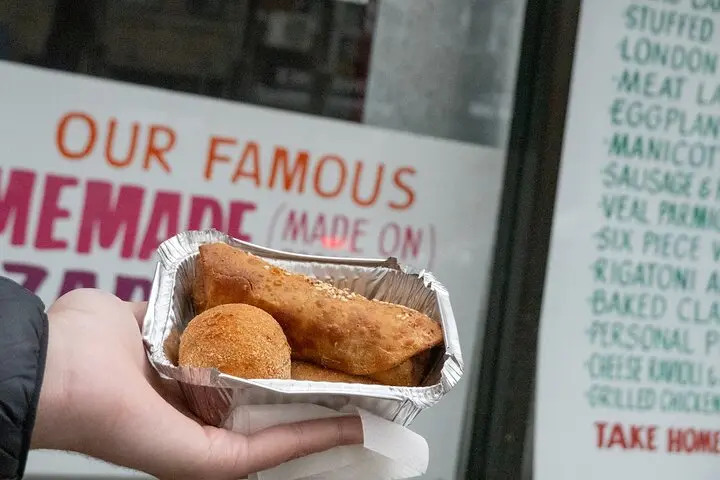
Expect five tastings: a Moroccan pastilla, classic Italian sandwiches, a menu-less Egyptian sampler, Brazilian sweets, and a pick-your-own fish served Greek-style. The pace is slow and social with about 1–1.5 miles of walking, minimal elevation gain, and stops that favor sitting or standing in tight quarters.
Practical notes: this small-group tour is capped at 15, wheelchair- and stroller-accessible, and runs rain or shine; cancel 24 hours in advance for a refund. Bring comfortable walking shoes, an appetite, public-transit card, and a mask if you prefer indoor comfort. Arrive hungry and curious — Astoria’s best bites reward those willing to taste beyond the map.
Plan for about 1–1.5 miles over three hours with several sit-down and stand-up stops; terrain is flat city sidewalks.
Yes. The route and most venues accommodate wheelchairs and strollers; notify the operator of accessibility needs when booking.
Tastings add up but are not a full dinner for everyone; bring an appetite or plan to eat more afterward at a recommended spot.
Guides can advise vendors and often arrange alternatives; disclose allergies or restrictions when booking or at the meetup.
Unscripted Tours operates guided outdoor trips and adventures with an emphasis on safety, stewardship, and memorable experiences.

A late-morning meet-up at Dar Lbahja sets the tone: warm Moroccan spices, the chatter of a neighborhood that moves at its own syncopated pace, and a guide who knows which kitchens open early and which dishes tell a story. Over three hours the group threads roughly fifteen blocks of Astoria — a working-class Queens corridor where storefronts press up against subway vents and salt air from the East River still lingers in the laneways.
A late-morning meet-up at Dar Lbahja sets the tone: warm Moroccan spices, the chatter of a neighborhood that moves at its own syncopated pace, and a guide who knows which kitchens open early and which dishes tell a story. Over three hours the group threads roughly fifteen blocks of Astoria — a working-class Queens corridor where storefronts press up against subway vents and salt air from the East River still lingers in the laneways.
Astoria grew as an immigrant gateway in the 19th and 20th centuries; Greek diners and Italian delis sit cheek-by-jowl with newer arrivals from Egypt, Brazil and the Middle East. The neighborhood’s geology — low-lying coastal plain trimmed by urban fill and piers — shaped its early industry and today makes walking easy and relatively flat. Culturally, food here is a practice as much as a product: markets where fishermen unload their catch, chefs who cook from family recipes, and proprietors who’ll talk technique over a plastic counter.
Expect five tastings: a Moroccan pastilla, classic Italian sandwiches, a menu-less Egyptian sampler, Brazilian sweets, and a pick-your-own fish served Greek-style. The pace is slow and social with about 1–1.5 miles of walking, minimal elevation gain, and stops that favor sitting or standing in tight quarters.
Practical notes: this small-group tour is capped at 15, wheelchair- and stroller-accessible, and runs rain or shine; cancel 24 hours in advance for a refund. Bring comfortable walking shoes, an appetite, public-transit card, and a mask if you prefer indoor comfort. Arrive hungry and curious — Astoria’s best bites reward those willing to taste beyond the map.