
4-Day Nile Cruise from Aswan to Luxor — Abu Simbel, Hot Air Balloon & Ancient Temples
Sail four days down the Nile from Aswan to Luxor, combining sunrise hot-air ballooning, the relocated Abu Simbel temples and guided visits to Karnak and the Valley of the Kings. Expect early starts, warm days and a mix of on-board comfort and archaeological exploration.
An Adventure In Aswan.
Sail four days down the Nile from Aswan to Luxor, combining sunrise hot-air ballooning, the relocated Abu Simbel temples and guided visits to Karnak and the Valley of the Kings. Expect early starts, warm days and a mix of on-board comfort and archaeological exploration.
Read the full experience
Before sunrise the Nile feels like a living current, pushing the cruise slowly past palm fringes and stone quays as minarets and temple pylons silhouette the sky.
Before sunrise the Nile feels like a living current, pushing the cruise slowly past palm fringes and stone quays as minarets and temple pylons silhouette the sky.
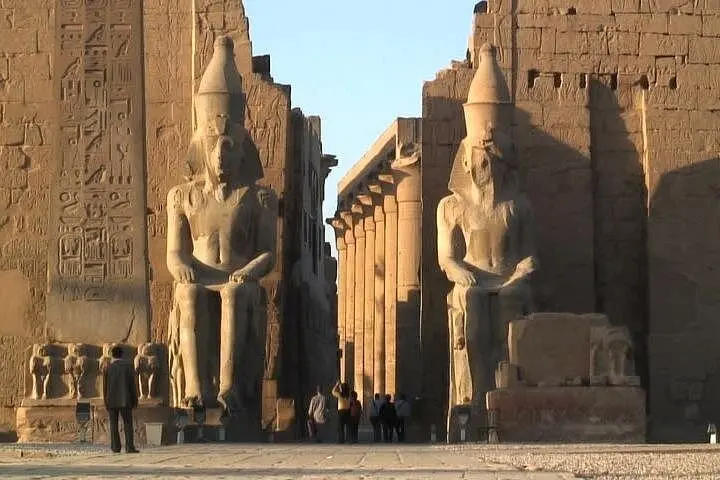
This four-day itinerary starts in Aswan and threads north to Luxor, a compact sweep of Upper Egypt’s best: Philae and the Aswan High Dam, the relocated temples of Abu Simbel, Kom Ombo and Edfu, then Luxor’s Karnak, the Colossi of Memnon and the Valley of the Kings. Geology and human engineering meet here — the creation of Lake Nasser after the Aswan High Dam reshaped the river and led to the extraordinary relocation of Abu Simbel in the 1960s.
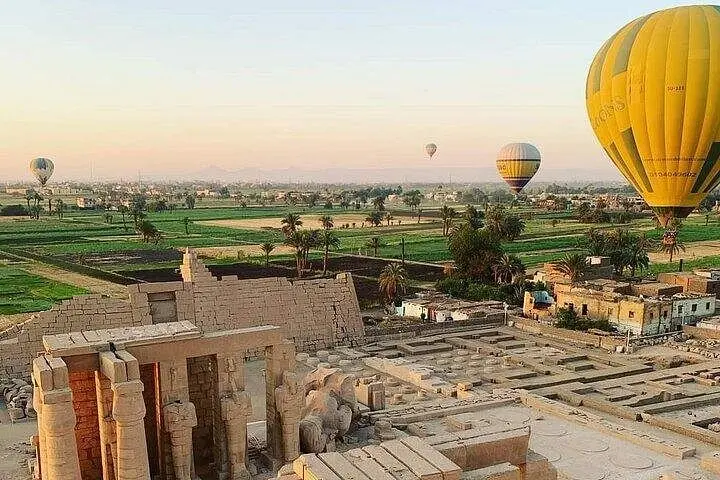
Culture here is layered: modern Nubian markets in Aswan, Ptolemaic and Ramesside carvings on temple walls, and the funerary avenues of pharaohs on the West Bank. Early-morning balloon flights give a bird’s-eye view of the strip of green that dares the desert; motorboats and a five-star cruise provide the on-water rhythm between land tours.
Practically, plan for early starts (balloon pick-ups around 4:30 a.m.), midday heat, and many stairs and uneven stone at ancient sites. The trip commonly includes meals, transfers and an Egyptology guide; bring a valid passport and printed tickets for entry checks. Hydrate, wear sun protection and comfortable walking shoes with good grip, and pack modest clothing for temple interiors. A small amount of local currency (EGP) is useful for tips and market purchases. Slow your pace on deck, let the Nile steer the tempo, and allow time to listen — the river still has places that feel millions of years old and yet closely inhabited.
Frequently asked questions
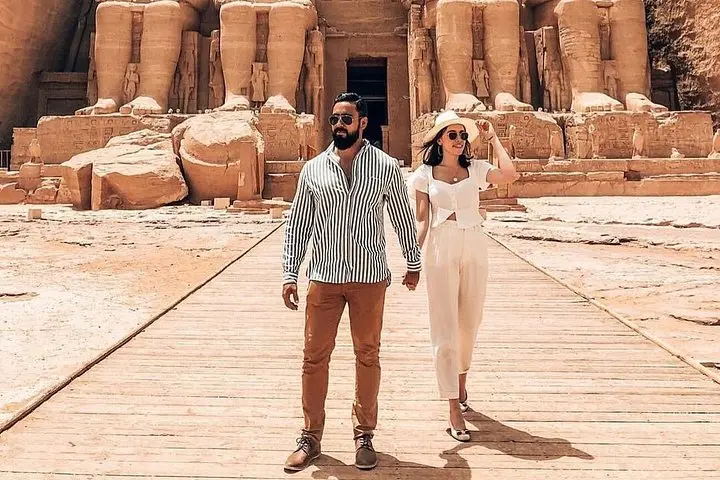
Yes — the itinerary typically includes a visit to Abu Simbel, which is approximately 290 km south of Aswan and was relocated above the original site to avoid Lake Nasser flooding.
Most bookings include 3 nights on board, all listed meals, guided tours, motorboat transfers to river temples and hotel/port pickup and drop-off.
The cruise and vehicles may be wheelchair accessible, but many archaeological sites have steps and uneven ground; check specific accessibility needs with the operator ahead of time.
About This Experience
Egypt Travel Line operates guided outdoor trips and adventures with an emphasis on safety, stewardship, and memorable experiences.
Adventure tips
Recommended gear
- Wide-brim sun hat: Shields face and neck during midday temple visits and on-deck time.
- Comfortable walking shoes: Provides grip and support for stone steps and sandy paths at archaeological sites.
- Reusable water bottle with filter: Staying hydrated is critical; a filtered bottle reduces plastic waste and gives safe water between meals.
- Light layers and modest clothing: Lightweight long sleeves and a scarf respect local customs and protect from sun and dust.
Photos of the experience
Related adventures & guides
Read the full experience
Before sunrise the Nile feels like a living current, pushing the cruise slowly past palm fringes and stone quays as minarets and temple pylons silhouette the sky.
Before sunrise the Nile feels like a living current, pushing the cruise slowly past palm fringes and stone quays as minarets and temple pylons silhouette the sky.
This four-day itinerary starts in Aswan and threads north to Luxor, a compact sweep of Upper Egypt’s best: Philae and the Aswan High Dam, the relocated temples of Abu Simbel, Kom Ombo and Edfu, then Luxor’s Karnak, the Colossi of Memnon and the Valley of the Kings. Geology and human engineering meet here — the creation of Lake Nasser after the Aswan High Dam reshaped the river and led to the extraordinary relocation of Abu Simbel in the 1960s.
Culture here is layered: modern Nubian markets in Aswan, Ptolemaic and Ramesside carvings on temple walls, and the funerary avenues of pharaohs on the West Bank. Early-morning balloon flights give a bird’s-eye view of the strip of green that dares the desert; motorboats and a five-star cruise provide the on-water rhythm between land tours.
Practically, plan for early starts (balloon pick-ups around 4:30 a.m.), midday heat, and many stairs and uneven stone at ancient sites. The trip commonly includes meals, transfers and an Egyptology guide; bring a valid passport and printed tickets for entry checks. Hydrate, wear sun protection and comfortable walking shoes with good grip, and pack modest clothing for temple interiors. A small amount of local currency (EGP) is useful for tips and market purchases. Slow your pace on deck, let the Nile steer the tempo, and allow time to listen — the river still has places that feel millions of years old and yet closely inhabited.
Make a day of it nearby.
Verified experiences and guided adventures in the surrounding area.