THE ADVENTURE COLLECTIVE® · Independent discovery and booking for outdoor travel

Cruise the Nile from Aswan to Luxor over 3 nights, combining relaxed river travel with guided visits to Philae, Kom Ombo, Edfu, Luxor and the Valley of the Kings. This compact itinerary pairs on-board comfort with daily archaeology-led excursions.
Cruise the Nile from Aswan to Luxor over 3 nights, combining relaxed river travel with guided visits to Philae, Kom Ombo, Edfu, Luxor and the Valley of the Kings. This compact itinerary pairs on-board comfort with daily archaeology-led excursions.
Morning light on the Nile strips the desert of its heat and sets the river to silver; on a 3-night cruise from Aswan to Luxor, that ribbon is both road and companion. Guests step aboard a five-star motor vessel in Aswan, watch feluccas drift past, and disembark each day to walk columns and courtyards where stone keeps the voice of ancient Egypt.
Verified experiences and guided adventures in the surrounding area.
Operated by Best Of Egypt Tours · Aswan, Aswan Governorate
Morning light on the Nile strips the desert of its heat and sets the river to silver; on a 3-night cruise from Aswan to Luxor, that ribbon is both road and companion. Guests step aboard a five-star motor vessel in Aswan, watch feluccas drift past, and disembark each day to walk columns and courtyards where stone keeps the voice of ancient Egypt.
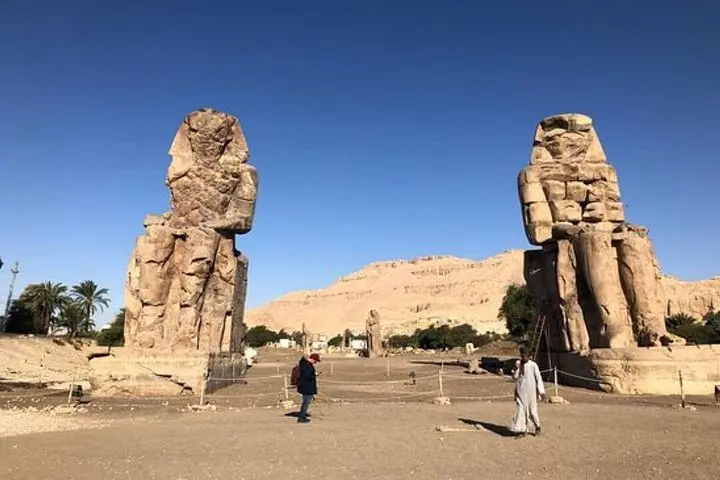
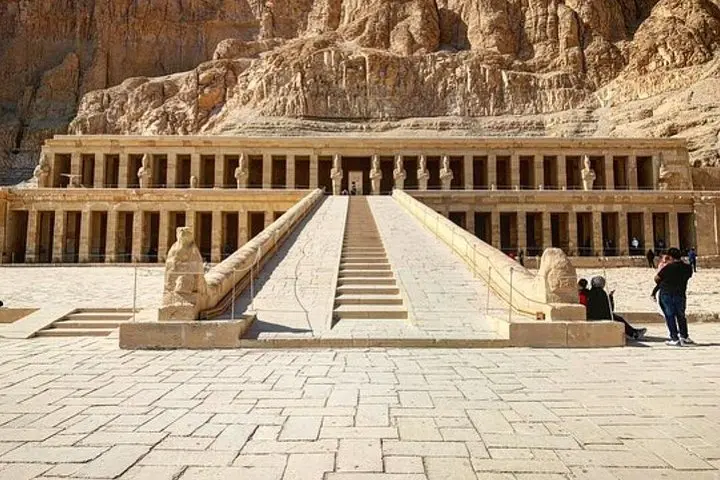
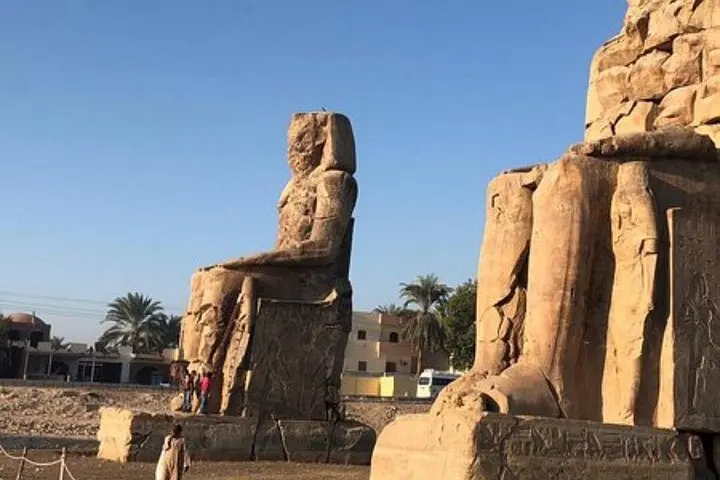
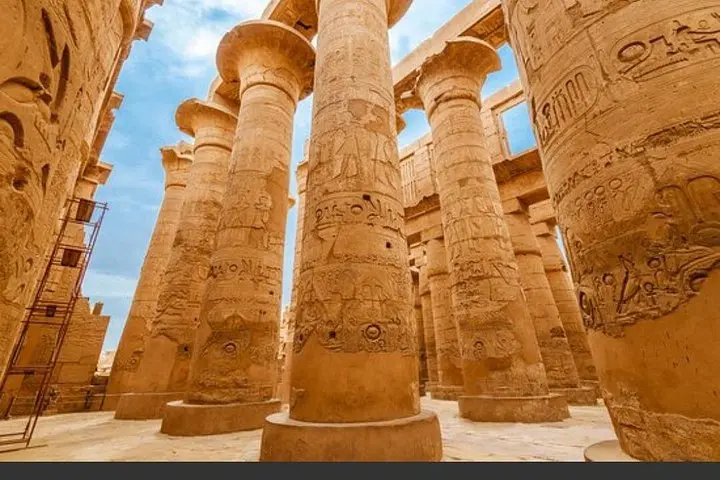
The route threads centuries: Philae’s island temples dedicated to Isis, the Soviet-built Aswan High Dam reshaping 20th-century Egypt, the double dedication at Kom Ombo, the remarkably preserved Ptolemaic shrine at Edfu, downriver to Luxor’s complex of Karnak and the river-facing Luxor Temple. West-bank excursions include the Valley of the Kings, Hatshepsut’s terraced mortuary temple, and the Colossi of Memnon — monumental markers of funerary and pharaonic cult practice.
Geology here is simple and stark: Nile alluvium edges granite outcrops in Aswan and sedimentary sandstone downstream, which Egyptian builders quarried for pillars and statues. Cultural rhythm on deck is slow — meals, briefings with an Egyptology guide, short coach transfers and shaded walks between sites.
Practical notes: bring sun protection, comfortable closed shoes for uneven temple floors and tomb steps, and a refillable water bottle; expect hot, dry days and cooler nights on deck. Most days feature two short tours with time aboard to rest. Visas, timed tickets and moderate mobility (stairs, short walks on loose surfaces) are typical — plan for early starts to avoid midday heat and carry small bills for tipping and site fees.
Many nationalities require a visa for Egypt; check your government guidance and obtain one online or on arrival when applicable.
Entry to some tombs (e.g., King Tutankhamun) may require separate tickets; check the itinerary and bring cash for optional tomb access.
Expect several short guided walks at each site—typically 30–120 minutes—plus transfers; pace is moderate with breaks onboard between stops.
The operator lists wheelchair-accessible options, but access at archaeological sites can be limited by steps and uneven ground; confirm needs when booking.
Best Of Egypt Tours operates guided outdoor trips and adventures with an emphasis on safety, stewardship, and memorable experiences.
Morning light on the Nile strips the desert of its heat and sets the river to silver; on a 3-night cruise from Aswan to Luxor, that ribbon is both road and companion. Guests step aboard a five-star motor vessel in Aswan, watch feluccas drift past, and disembark each day to walk columns and courtyards where stone keeps the voice of ancient Egypt.
Morning light on the Nile strips the desert of its heat and sets the river to silver; on a 3-night cruise from Aswan to Luxor, that ribbon is both road and companion. Guests step aboard a five-star motor vessel in Aswan, watch feluccas drift past, and disembark each day to walk columns and courtyards where stone keeps the voice of ancient Egypt.
The route threads centuries: Philae’s island temples dedicated to Isis, the Soviet-built Aswan High Dam reshaping 20th-century Egypt, the double dedication at Kom Ombo, the remarkably preserved Ptolemaic shrine at Edfu, downriver to Luxor’s complex of Karnak and the river-facing Luxor Temple. West-bank excursions include the Valley of the Kings, Hatshepsut’s terraced mortuary temple, and the Colossi of Memnon — monumental markers of funerary and pharaonic cult practice.
Geology here is simple and stark: Nile alluvium edges granite outcrops in Aswan and sedimentary sandstone downstream, which Egyptian builders quarried for pillars and statues. Cultural rhythm on deck is slow — meals, briefings with an Egyptology guide, short coach transfers and shaded walks between sites.
Practical notes: bring sun protection, comfortable closed shoes for uneven temple floors and tomb steps, and a refillable water bottle; expect hot, dry days and cooler nights on deck. Most days feature two short tours with time aboard to rest. Visas, timed tickets and moderate mobility (stairs, short walks on loose surfaces) are typical — plan for early starts to avoid midday heat and carry small bills for tipping and site fees.