THE ADVENTURE COLLECTIVE® · Independent discovery and booking for outdoor travel

Sail from Aswan to Luxor on a four‑day Nile cruise that pairs comfortable nights on board with daily excursions to Philae, Kom Ombo, Edfu, the Valley of the Kings and Karnak. Expect guided temple tours, short walks on uneven stone, and plenty of river views between sites.
Sail from Aswan to Luxor on a four‑day Nile cruise that pairs comfortable nights on board with daily excursions to Philae, Kom Ombo, Edfu, the Valley of the Kings and Karnak. Expect guided temple tours, short walks on uneven stone, and plenty of river views between sites.
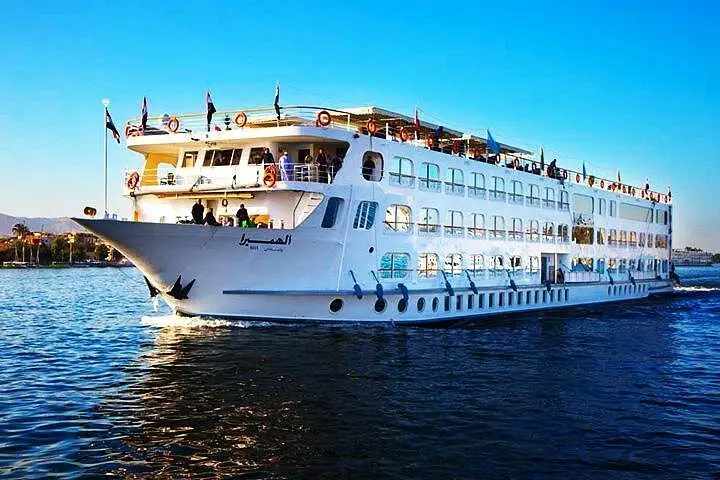
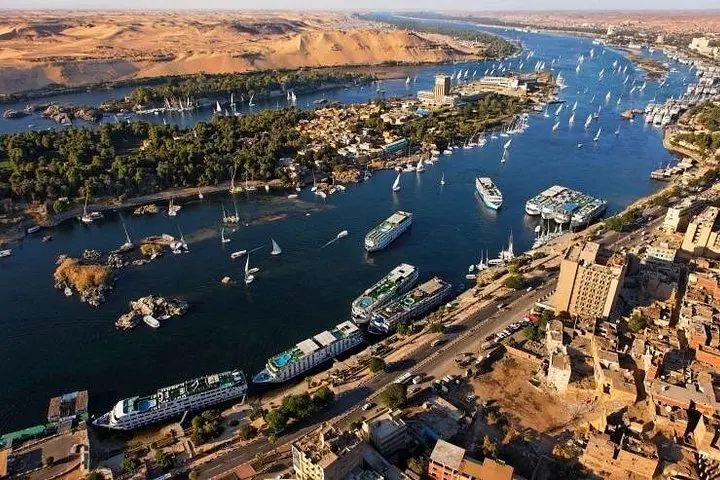
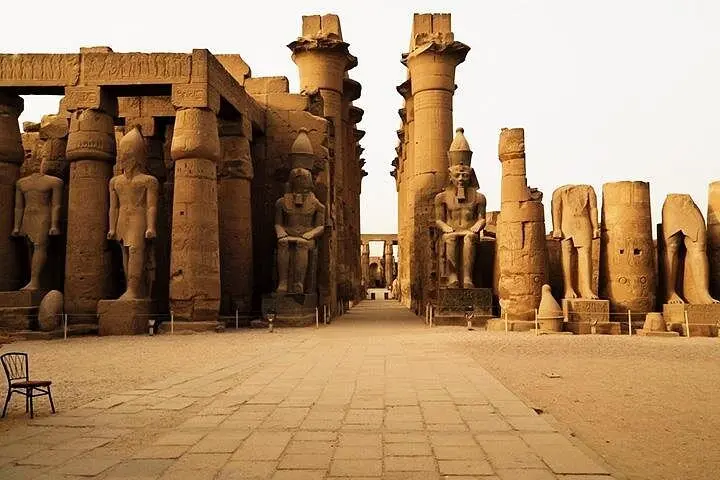
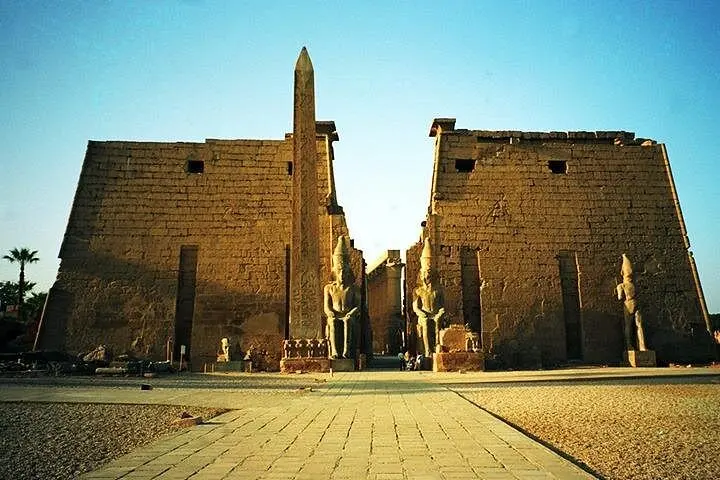
You step onto the Nile as sunlight slides across a matte ribbon of water; feluccas bob like punctuation marks and the current seems to urge the ship forward, toward stone that holds 3,000 years of human ambition.
Verified experiences and guided adventures in the surrounding area.
Operated by Dahab Safari Day Tours · Aswan, Aswan Governorate
You step onto the Nile as sunlight slides across a matte ribbon of water; feluccas bob like punctuation marks and the current seems to urge the ship forward, toward stone that holds 3,000 years of human ambition.
This four‑day Aswan–Luxor cruise moves at a deliberate river pace, pairing on‑board comfort with site visits: Philae and the Unfinished Obelisk outside Aswan, the dual sanctuaries at Kom Ombo, Edfu’s well‑preserved Horus Temple, and in Luxor the Valley of the Kings, Hatshepsut’s mortuary temple and the sprawling Karnak complex. Geologically the route follows the Nile’s alluvial corridor — broad floodplain soils giving way to limestone escarpments on the west bank where pharaonic tombs were cut into rock.
Culturally you’ll encounter Nubian influences around Aswan and centuries of temple building that mark shifts in religion and kingship; an Egyptologist guide connects iconography to practice so names on walls become stories rather than labels.
Practical guidance: cabins on a five‑star Nile cruiser are small but serviced; expect three nights on board with meals included and daily shore excursions via launch or coach. Bring a brimmed hat, sunscreen and comfortable walking shoes for uneven stone steps and sandy approaches. Start early at major sites to avoid heat and crowds; the Valley of the Kings often requires brief climbs and narrow passageways. Cash for local vendors and tips is useful — small denominations in Egyptian pounds or USD are accepted.
Health and logistics: carry water, use a light daypack for temple visits, and verify passport/visa requirements before travel. The cruise offers relaxed river travel that trades long drives for short walks and repeated vistas of an ancient river that still shapes daily life.
Some admissions (like Valley of the Kings) are typically included as part of guided day excursions, but always check your booking details for specifics.
Visits involve short walks, steps and occasional sandy terrain; they’re low‑impact but may be challenging for those with limited mobility.
Have small Egyptian pounds for vendors and tips; major hotels and the ship accept cards but smaller stalls prefer cash.
Yes—tipping is customary for crew, guides and drivers; bringing small denomination notes speeds transactions.
Dahab Safari Day Tours operates guided outdoor trips and adventures with an emphasis on safety, stewardship, and memorable experiences.
You step onto the Nile as sunlight slides across a matte ribbon of water; feluccas bob like punctuation marks and the current seems to urge the ship forward, toward stone that holds 3,000 years of human ambition.
You step onto the Nile as sunlight slides across a matte ribbon of water; feluccas bob like punctuation marks and the current seems to urge the ship forward, toward stone that holds 3,000 years of human ambition.
This four‑day Aswan–Luxor cruise moves at a deliberate river pace, pairing on‑board comfort with site visits: Philae and the Unfinished Obelisk outside Aswan, the dual sanctuaries at Kom Ombo, Edfu’s well‑preserved Horus Temple, and in Luxor the Valley of the Kings, Hatshepsut’s mortuary temple and the sprawling Karnak complex. Geologically the route follows the Nile’s alluvial corridor — broad floodplain soils giving way to limestone escarpments on the west bank where pharaonic tombs were cut into rock.
Culturally you’ll encounter Nubian influences around Aswan and centuries of temple building that mark shifts in religion and kingship; an Egyptologist guide connects iconography to practice so names on walls become stories rather than labels.
Practical guidance: cabins on a five‑star Nile cruiser are small but serviced; expect three nights on board with meals included and daily shore excursions via launch or coach. Bring a brimmed hat, sunscreen and comfortable walking shoes for uneven stone steps and sandy approaches. Start early at major sites to avoid heat and crowds; the Valley of the Kings often requires brief climbs and narrow passageways. Cash for local vendors and tips is useful — small denominations in Egyptian pounds or USD are accepted.
Health and logistics: carry water, use a light daypack for temple visits, and verify passport/visa requirements before travel. The cruise offers relaxed river travel that trades long drives for short walks and repeated vistas of an ancient river that still shapes daily life.