THE ADVENTURE COLLECTIVE® · Independent discovery and booking for outdoor travel

Drift downstream from Aswan to Luxor on a 4-day Nile cruise that pairs relaxed river sailing with daily guided visits to Philae, Kom Ombo, Edfu, Karnak and the Valley of the Kings. Expect short temple hikes, strong sun, and a steady pulse of history.
Drift downstream from Aswan to Luxor on a 4-day Nile cruise that pairs relaxed river sailing with daily guided visits to Philae, Kom Ombo, Edfu, Karnak and the Valley of the Kings. Expect short temple hikes, strong sun, and a steady pulse of history.
A low-slung dahabiya slips away from Aswan at first light, the Nile pulling the vessel downstream while granite quarries and palm-lined villages slide past like pages in a history book.
Verified experiences and guided adventures in the surrounding area.
Operated by Goto Egypt Tours · Aswan, Aswan Governorate
A low-slung dahabiya slips away from Aswan at first light, the Nile pulling the vessel downstream while granite quarries and palm-lined villages slide past like pages in a history book.
Over four days and three nights travelers move at the river’s pace: mornings ashore among millennia-old stone, afternoons drifting under wide skies. The route follows roughly 200–240 km of the Nile between Aswan and Luxor, with minimal elevation change but frequent short hikes across uneven temple causeways and stepped tomb entrances.
This corridor stitches together pharaonic, Ptolemaic and Roman layers — Philae and the High Dam at Aswan, the mirrored sanctuaries of Kom Ombo, the well-preserved Ptolemaic temple of Edfu, and Luxor’s Karnak, Luxor Temple and the Valley of the Kings. Geologically the river has scoured a fertile ribbon through desert sandstone and granite outcrops; culturally the banks are home to Nubian villages whose painted houses and tea rituals remain tangible links to local life.
Expect guided shore excursions each day: 30–90 minute temple walks, carriage rides in Edfu, and optional early-morning balloon flights over Luxor. Terrain onshore is primarily stone and sand with stairs and narrow passageways—sturdy shoes and sun protection are non-negotiable. Stay hydrated, plan visits early or late to avoid peak heat, and keep camera batteries and small change handy for entrances and local purchases.
The cruise balances slow, reflective river travel with intense bursts of archeological wonder — a practical, sensory way to read Egypt’s past while moving through its present.
Most nationalities require an Egyptian visa; check visa rules for your passport and arrange in advance or on arrival where eligible.
The cruise includes meals, transfers and guided tours as listed, but some optional activities (balloon ride, certain museum fees) may cost extra—confirm at booking.
The operator lists wheelchair-accessible transportation and surfaces, but access to temples and tombs often requires steps—contact the operator to discuss specific mobility needs.
Tipping guides and crew is customary; budget modest daily tips for your guide, driver and ship staff (small local-currency notes are useful).
Goto Egypt Tours operates guided outdoor trips and adventures with an emphasis on safety, stewardship, and memorable experiences.
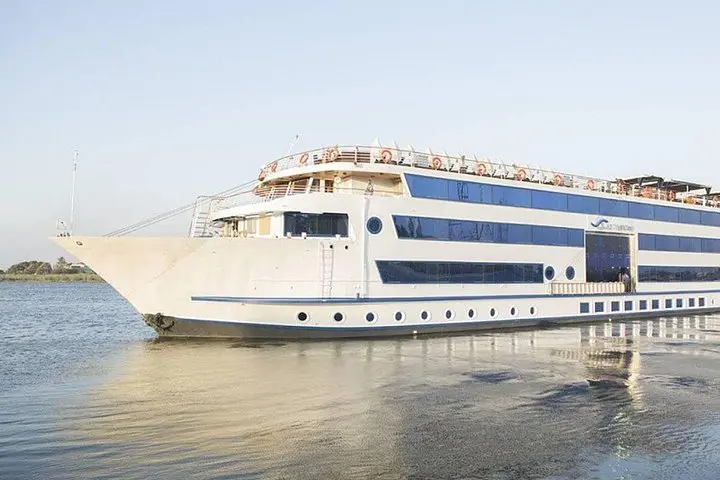
A low-slung dahabiya slips away from Aswan at first light, the Nile pulling the vessel downstream while granite quarries and palm-lined villages slide past like pages in a history book.
A low-slung dahabiya slips away from Aswan at first light, the Nile pulling the vessel downstream while granite quarries and palm-lined villages slide past like pages in a history book.
Over four days and three nights travelers move at the river’s pace: mornings ashore among millennia-old stone, afternoons drifting under wide skies. The route follows roughly 200–240 km of the Nile between Aswan and Luxor, with minimal elevation change but frequent short hikes across uneven temple causeways and stepped tomb entrances.
This corridor stitches together pharaonic, Ptolemaic and Roman layers — Philae and the High Dam at Aswan, the mirrored sanctuaries of Kom Ombo, the well-preserved Ptolemaic temple of Edfu, and Luxor’s Karnak, Luxor Temple and the Valley of the Kings. Geologically the river has scoured a fertile ribbon through desert sandstone and granite outcrops; culturally the banks are home to Nubian villages whose painted houses and tea rituals remain tangible links to local life.
Expect guided shore excursions each day: 30–90 minute temple walks, carriage rides in Edfu, and optional early-morning balloon flights over Luxor. Terrain onshore is primarily stone and sand with stairs and narrow passageways—sturdy shoes and sun protection are non-negotiable. Stay hydrated, plan visits early or late to avoid peak heat, and keep camera batteries and small change handy for entrances and local purchases.
The cruise balances slow, reflective river travel with intense bursts of archeological wonder — a practical, sensory way to read Egypt’s past while moving through its present.