THE ADVENTURE COLLECTIVE® · Independent discovery and booking for outdoor travel

Sail four days along the Nile from Aswan to Luxor, combining relaxed river travel with guided visits to Philae, Kom Ombo, Edfu, Karnak and the Valley of the Kings. Expect early starts for temple tours, sun-drenched stonework, and comfortable 5-star cruise cabins.
Sail four days along the Nile from Aswan to Luxor, combining relaxed river travel with guided visits to Philae, Kom Ombo, Edfu, Karnak and the Valley of the Kings. Expect early starts for temple tours, sun-drenched stonework, and comfortable 5-star cruise cabins.
The Nile slips past the rail like a slow, sure current that seems to push the ship and people forward at the same time. Morning light cuts across the river at Aswan; feluccas paddle by, and the cruise’s gangway becomes a threshold between modern cabins and 3,000‑year‑old stone.
Verified experiences and guided adventures in the surrounding area.
Operated by Nile Prince Travel · Aswan, Aswan
The Nile slips past the rail like a slow, sure current that seems to push the ship and people forward at the same time. Morning light cuts across the river at Aswan; feluccas paddle by, and the cruise’s gangway becomes a threshold between modern cabins and 3,000‑year‑old stone.
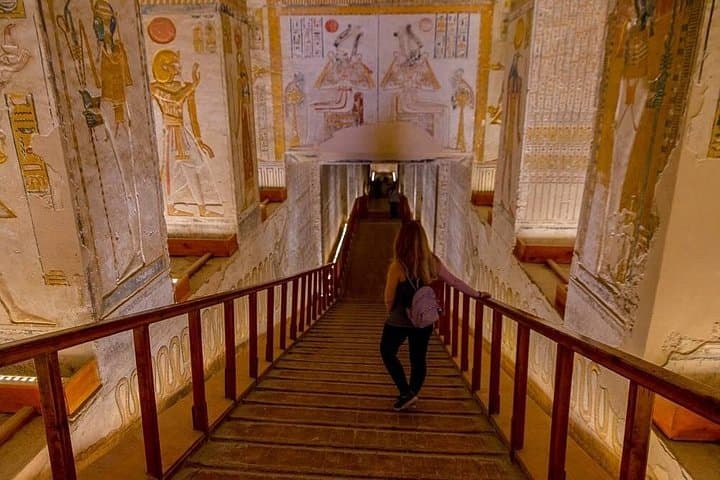
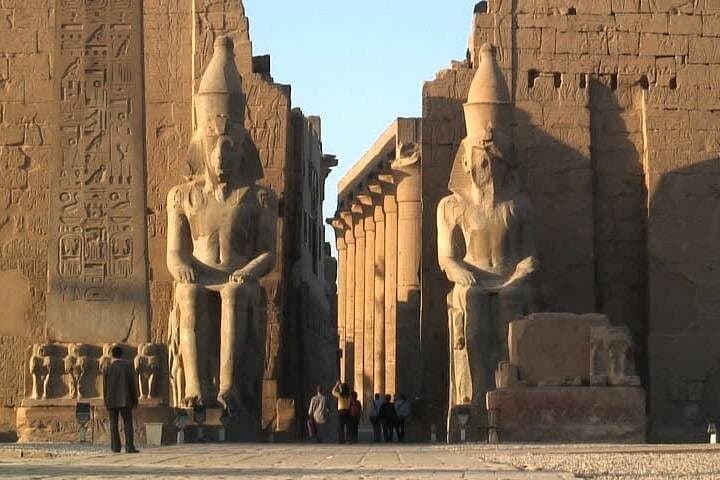
This four-day voyage links two of Ancient Egypt’s richest chapters. In Aswan you’ll visit Philae — an island-temple honoring Isis — and the High Dam, a 20th‑century engineering pivot that reshaped the Nile. Heading north, Kom Ombo’s dual sanctuary and Edfu’s intact Ptolemaic reliefs show the overlap of Greek and Egyptian craftsmanship. In Luxor, Karnak’s forest of columns and the funerary geometry of the Valley of the Kings make clear why this stretch of river anchored pharaonic power.
Geology is quiet but present: the Nile’s floodplain deposits and nearby sandstone quarries supplied the stone moved across hundreds of kilometers to build colossi and temples. Culturally, you’ll pass Nubian settlements whose crafts and music are living tributaries to the region’s long history.
Practically: plan to rise early for cooler temple visits, wear sturdy soles for uneven stone, and carry sun protection — the sun on the river can be relentless. Many cruise packages include guided shore excursions, meals, and cabins with facilities; double‑check which entrance fees are covered. Bring small local currency for tips and craft stalls, charge devices between stops, and leave extra time for airport or train transfers at embarkation and disembarkation.
This trip is equal parts slow river travel and concentrated history — ideal for travelers who want the comfort of a cabin while moving through the world’s oldest living highway.
This tour lists most site visits in the itinerary; confirm at booking which specific entrance fees are included because operators sometimes vary package coverage.
The listing notes wheelchair accessibility for transport and surfaces, but accessibility at ancient sites can be limited — contact the operator to discuss ramps, carriage access and personalized assistance.
Pickup from Aswan Airport, city hotels or the train station is typically included; provide flight or arrival details at booking for coordinated transfer.
Guides are usually Egyptology‑trained for English tours; ask the operator if you need another language or a private multilingual guide.
Nile Prince Travel operates guided outdoor trips and adventures with an emphasis on safety, stewardship, and memorable experiences.


The Nile slips past the rail like a slow, sure current that seems to push the ship and people forward at the same time. Morning light cuts across the river at Aswan; feluccas paddle by, and the cruise’s gangway becomes a threshold between modern cabins and 3,000‑year‑old stone.
The Nile slips past the rail like a slow, sure current that seems to push the ship and people forward at the same time. Morning light cuts across the river at Aswan; feluccas paddle by, and the cruise’s gangway becomes a threshold between modern cabins and 3,000‑year‑old stone.
This four-day voyage links two of Ancient Egypt’s richest chapters. In Aswan you’ll visit Philae — an island-temple honoring Isis — and the High Dam, a 20th‑century engineering pivot that reshaped the Nile. Heading north, Kom Ombo’s dual sanctuary and Edfu’s intact Ptolemaic reliefs show the overlap of Greek and Egyptian craftsmanship. In Luxor, Karnak’s forest of columns and the funerary geometry of the Valley of the Kings make clear why this stretch of river anchored pharaonic power.
Geology is quiet but present: the Nile’s floodplain deposits and nearby sandstone quarries supplied the stone moved across hundreds of kilometers to build colossi and temples. Culturally, you’ll pass Nubian settlements whose crafts and music are living tributaries to the region’s long history.
Practically: plan to rise early for cooler temple visits, wear sturdy soles for uneven stone, and carry sun protection — the sun on the river can be relentless. Many cruise packages include guided shore excursions, meals, and cabins with facilities; double‑check which entrance fees are covered. Bring small local currency for tips and craft stalls, charge devices between stops, and leave extra time for airport or train transfers at embarkation and disembarkation.
This trip is equal parts slow river travel and concentrated history — ideal for travelers who want the comfort of a cabin while moving through the world’s oldest living highway.