THE ADVENTURE COLLECTIVE® · Independent discovery and booking for outdoor travel

Drift between Aswan and Luxor on a four-day Nile cruise that pairs sunset decks with guided visits to Kom Ombo, Edfu, the Valley of the Kings and Karnak. Expect short transfers, morning temple tours, and evenings spent watching the river glide by.
Drift between Aswan and Luxor on a four-day Nile cruise that pairs sunset decks with guided visits to Kom Ombo, Edfu, the Valley of the Kings and Karnak. Expect short transfers, morning temple tours, and evenings spent watching the river glide by.
The sun slides low over the Nile and the cruise's deck hums with quiet conversation as the ship eases away from Aswan. Palm-lined riverbanks give way to ochre desert bluffs; fishermen in feluccas silhouette against widening water. Over the next four days the river becomes a moving frame for ancient stone: temple pylons, rock-cut tombs, and the steady presence of the Nile itself.
Verified experiences and guided adventures in the surrounding area.
Operated by Avicon Travel · Aswan, Aswan Governorate
The sun slides low over the Nile and the cruise's deck hums with quiet conversation as the ship eases away from Aswan. Palm-lined riverbanks give way to ochre desert bluffs; fishermen in feluccas silhouette against widening water. Over the next four days the river becomes a moving frame for ancient stone: temple pylons, rock-cut tombs, and the steady presence of the Nile itself.
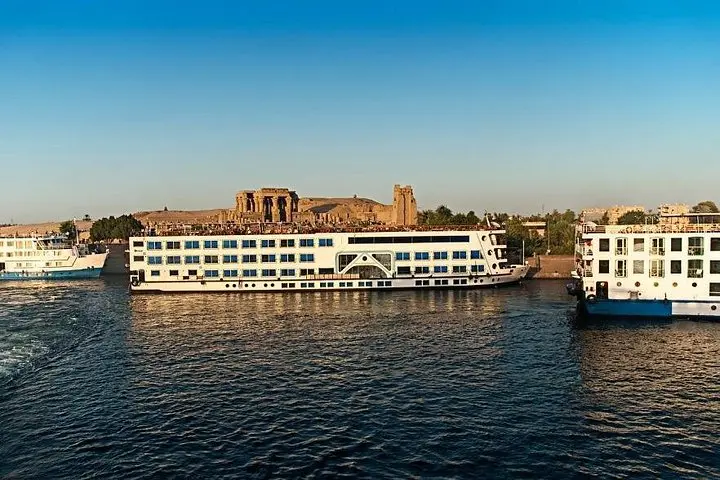
This route threads modern and pharaonic Egypt. The Aswan High Dam — a mid-20th-century engineering project that altered the Nile's seasonal pulse — sits alongside millennia-old shrines like Philae. Downriver, Kom Ombo and Edfu reveal Greco-Roman inscriptions layered over hieroglyphic ritual, while the West Bank of Luxor holds the Valley of the Kings, Hatshepsut’s terraces, and Karnak’s forest of columns.
Geology is visible in the cliffs that shelter royal tombs, a banded record of Nile floods and desert winds. Culture on board is paced: guided temple visits, souk stops, and quiet hours watching river life. Local guides translate inscriptions into context and point out construction techniques that span empires.
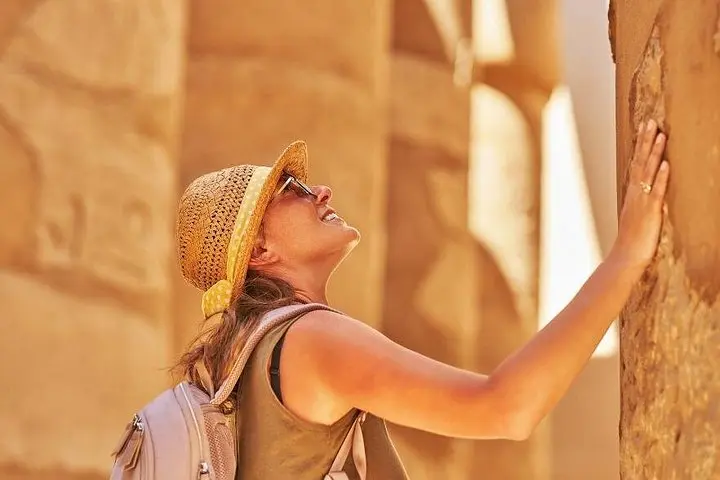
Practical essentials: plan temple visits for cooler mornings, bring a sun hat and sturdy shoes for uneven stone, and carry small Egyptian pounds for market purchases. Expect moderate walking on hard surfaces and short boat-to-shore transfers. Hydrate often — the desert sun is relentless — and leave room for slow afternoons on deck, watching the river dare you to slow down with it.
Most nationalities require an Egyptian entry visa obtained in advance or on arrival; check your government’s requirements before travel.
Some tour packages include major entrance fees, but confirm whether ticket costs for sites like the Valley of the Kings and Karnak are covered in your booking.
Short boat-to-shore transfers and stairs are common; travelers with limited mobility should consult the operator in advance to assess accessibility and request assistance.
Tipping is customary for guides and crew—budget modest amounts per day per traveler or follow the host company's guidance.
Avicon Travel operates guided outdoor trips and adventures with an emphasis on safety, stewardship, and memorable experiences.
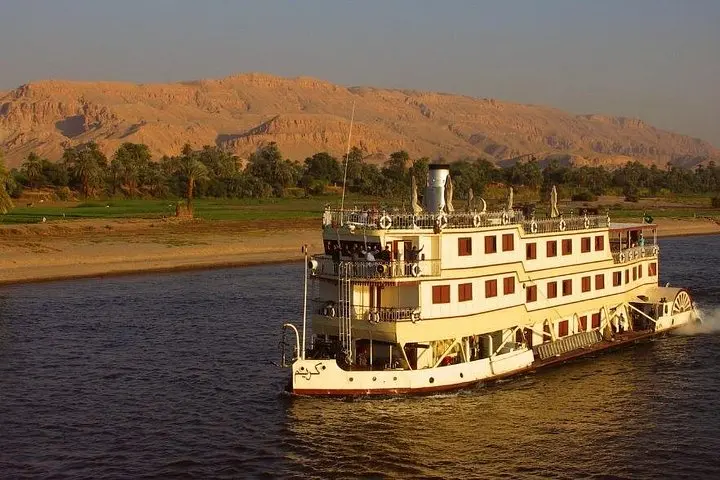
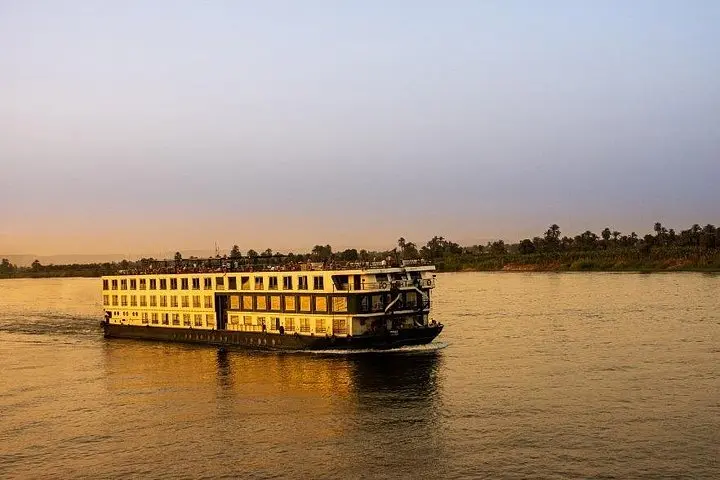
The sun slides low over the Nile and the cruise's deck hums with quiet conversation as the ship eases away from Aswan. Palm-lined riverbanks give way to ochre desert bluffs; fishermen in feluccas silhouette against widening water. Over the next four days the river becomes a moving frame for ancient stone: temple pylons, rock-cut tombs, and the steady presence of the Nile itself.
The sun slides low over the Nile and the cruise's deck hums with quiet conversation as the ship eases away from Aswan. Palm-lined riverbanks give way to ochre desert bluffs; fishermen in feluccas silhouette against widening water. Over the next four days the river becomes a moving frame for ancient stone: temple pylons, rock-cut tombs, and the steady presence of the Nile itself.
This route threads modern and pharaonic Egypt. The Aswan High Dam — a mid-20th-century engineering project that altered the Nile's seasonal pulse — sits alongside millennia-old shrines like Philae. Downriver, Kom Ombo and Edfu reveal Greco-Roman inscriptions layered over hieroglyphic ritual, while the West Bank of Luxor holds the Valley of the Kings, Hatshepsut’s terraces, and Karnak’s forest of columns.
Geology is visible in the cliffs that shelter royal tombs, a banded record of Nile floods and desert winds. Culture on board is paced: guided temple visits, souk stops, and quiet hours watching river life. Local guides translate inscriptions into context and point out construction techniques that span empires.
Practical essentials: plan temple visits for cooler mornings, bring a sun hat and sturdy shoes for uneven stone, and carry small Egyptian pounds for market purchases. Expect moderate walking on hard surfaces and short boat-to-shore transfers. Hydrate often — the desert sun is relentless — and leave room for slow afternoons on deck, watching the river dare you to slow down with it.