THE ADVENTURE COLLECTIVE® · Independent discovery and booking for outdoor travel

Sail four days along the Nile from Aswan to Luxor, stopping at Abu Simbel, Kom Ombo, Edfu and Luxor to explore temples, tombs and living river culture. Practical prep and on-deck downtime make this an efficient, immersive route through Egypt’s ancient heart.
Sail four days along the Nile from Aswan to Luxor, stopping at Abu Simbel, Kom Ombo, Edfu and Luxor to explore temples, tombs and living river culture. Practical prep and on-deck downtime make this an efficient, immersive route through Egypt’s ancient heart.
The Nile eases past your cabin like a slow promise: palm-lined banks blur into limestone ridges, feluccas feather the horizon, and the cruise hums toward monuments carved in stone millennia ago.
Verified experiences and guided adventures in the surrounding area.
Operated by Book Your Tours · Aswan, Aswan Governorate
The Nile eases past your cabin like a slow promise: palm-lined banks blur into limestone ridges, feluccas feather the horizon, and the cruise hums toward monuments carved in stone millennia ago.
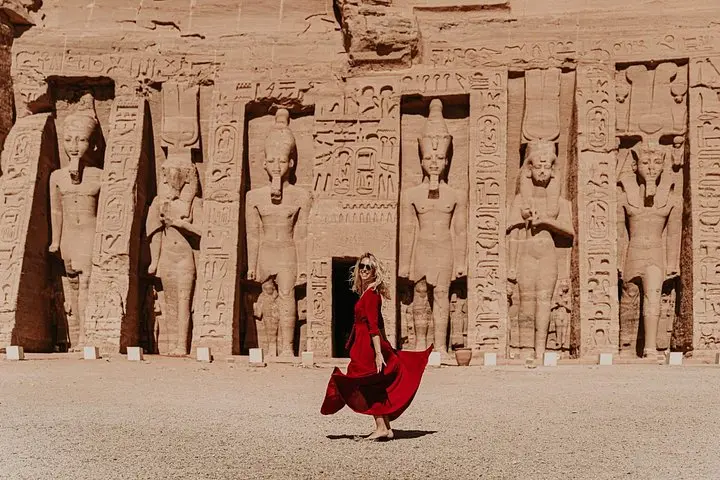
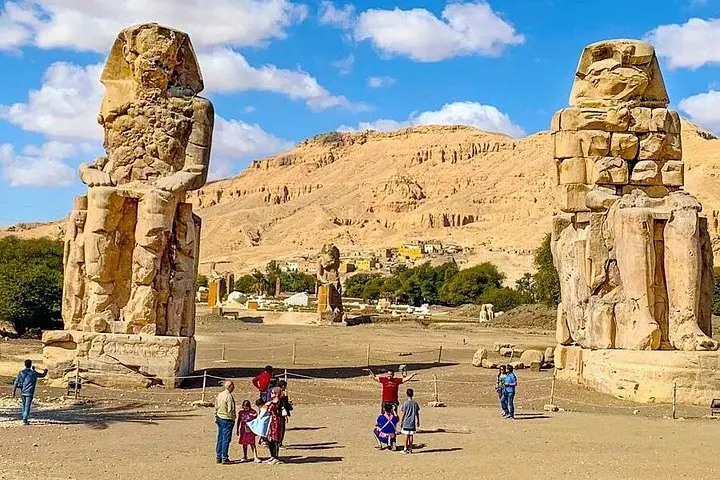
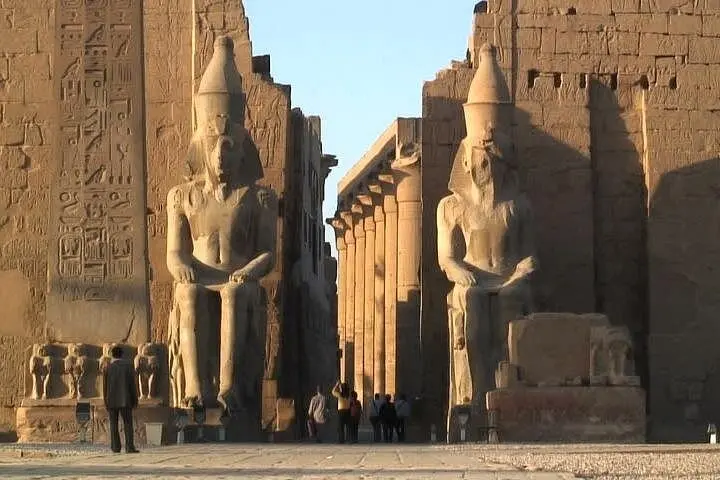
This four-day itinerary threads Aswan and Luxor with Abu Simbel’s colossal façades, Kom Ombo’s dual sanctuaries, Edfu’s well-preserved Ptolemaic walls and the layered temples of Thebes. Geologically the corridor follows the river’s alluvial plain where sedimentary sandstone and Nile silt supported civilization for thousands of years; culturally it’s the corridor of New Kingdom power and Ptolemaic reinterpretation — places shaped by pharaohs, Hellenistic rulers and 20th-century engineering decisions, notably the relocation of Abu Simbel to save it from Lake Nasser.
On deck there is a practical rhythm: mornings are for landings and shaded walks through hypostyle halls; afternoons for shaded decks and briefings from an Egyptologist guide. Expect stone stairways, uneven flags, and concentrated heat; temples give up their stories in hieroglyphs, reliefs and axial alignments at dawn and dusk.
Plan for sun, stairs and narrow passageways. Carry water and a lightweight hat, wear closed-toe walking shoes with traction, and pace temple visits to avoid midday heat. If you’re prone to motion sensitivity, bring remedies for road or river motion — the day to Abu Simbel includes long transfers.
This cruise is a practical way to compress key Nile archaeology into a measured, on-water route — comfortable nights on a five-star boat with active daytime exploration that rewards curiosity and sensible preparation.
The itinerary lists meals and sites included; confirm specifics with the operator at booking for any optional tickets or special-entry tombs.
Abu Simbel sits roughly 290 km from Aswan; expect an early start and several hours of transfer each way by vehicle or motor boat as arranged.
Access varies by vessel and site; the listing notes wheelchair-accessible transport and surfaces but confirm mobility needs in advance for specific temple access.
The tour indicates family-friendly arrangements including infant seats and stroller access, but long transfers and temple steps can be tiring for very young children.
Book Your Tours operates guided outdoor trips and adventures with an emphasis on safety, stewardship, and memorable experiences.

The Nile eases past your cabin like a slow promise: palm-lined banks blur into limestone ridges, feluccas feather the horizon, and the cruise hums toward monuments carved in stone millennia ago.
The Nile eases past your cabin like a slow promise: palm-lined banks blur into limestone ridges, feluccas feather the horizon, and the cruise hums toward monuments carved in stone millennia ago.
This four-day itinerary threads Aswan and Luxor with Abu Simbel’s colossal façades, Kom Ombo’s dual sanctuaries, Edfu’s well-preserved Ptolemaic walls and the layered temples of Thebes. Geologically the corridor follows the river’s alluvial plain where sedimentary sandstone and Nile silt supported civilization for thousands of years; culturally it’s the corridor of New Kingdom power and Ptolemaic reinterpretation — places shaped by pharaohs, Hellenistic rulers and 20th-century engineering decisions, notably the relocation of Abu Simbel to save it from Lake Nasser.
On deck there is a practical rhythm: mornings are for landings and shaded walks through hypostyle halls; afternoons for shaded decks and briefings from an Egyptologist guide. Expect stone stairways, uneven flags, and concentrated heat; temples give up their stories in hieroglyphs, reliefs and axial alignments at dawn and dusk.
Plan for sun, stairs and narrow passageways. Carry water and a lightweight hat, wear closed-toe walking shoes with traction, and pace temple visits to avoid midday heat. If you’re prone to motion sensitivity, bring remedies for road or river motion — the day to Abu Simbel includes long transfers.
This cruise is a practical way to compress key Nile archaeology into a measured, on-water route — comfortable nights on a five-star boat with active daytime exploration that rewards curiosity and sensible preparation.