THE ADVENTURE COLLECTIVE® · Independent discovery and booking for outdoor travel

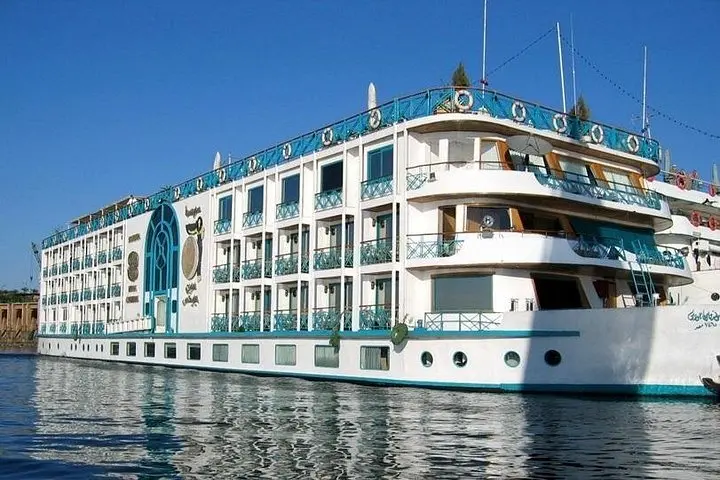
Sail the Nile at a relaxed pace on a private 4-day cruise between Aswan and Luxor. Visit Philae, Kom Ombo, Edfu, the Valley of the Kings and Karnak while enjoying full-board accommodation aboard a 5-star vessel.
Sail the Nile at a relaxed pace on a private 4-day cruise between Aswan and Luxor. Visit Philae, Kom Ombo, Edfu, the Valley of the Kings and Karnak while enjoying full-board accommodation aboard a 5-star vessel.
Dawn breaks on the Nile and the cruise slips away from Aswan with a soft shove of current; date palms and desert scarps slide past the deck as the river charts the route humans have followed for millennia.
Verified experiences and guided adventures in the surrounding area.
Operated by Ancient Egypt Tours · Aswan, Aswan Governorate
Dawn breaks on the Nile and the cruise slips away from Aswan with a soft shove of current; date palms and desert scarps slide past the deck as the river charts the route humans have followed for millennia.
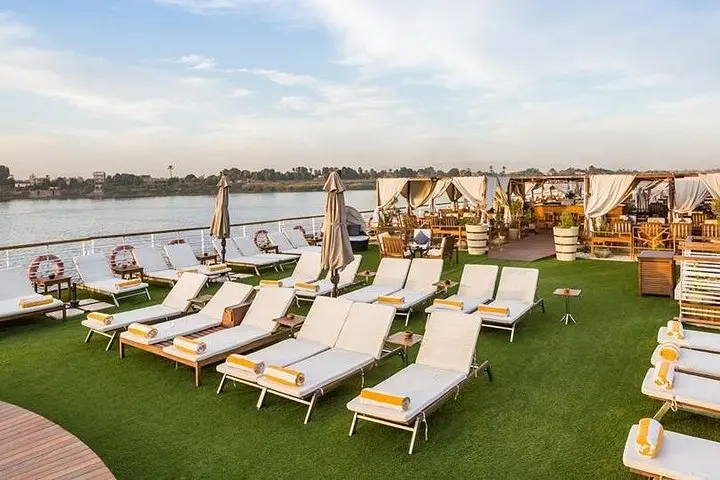
Over four days and three nights you move at the river's pace: mornings ashore to trace hieroglyph-lined colonnades, afternoons on deck watching light flatten the floodplain. In Aswan the High Dam and the Unfinished Obelisk tell a recent industrial story beside ancient stonework; Philae’s island temple still raises its terraces from the water like a private stage for the gods. South-to-north stops at Kom Ombo and Edfu reveal Ptolemaic architecture and dual dedications — crocodile and falcon deities holding court over a bend that once sheltered dangerous reptiles.
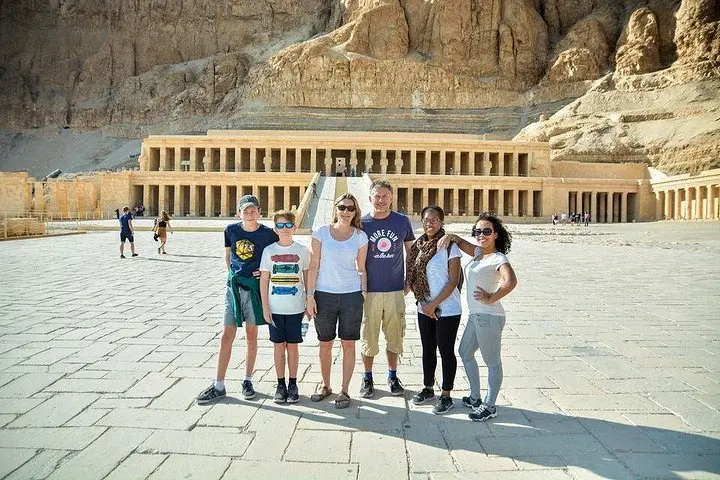
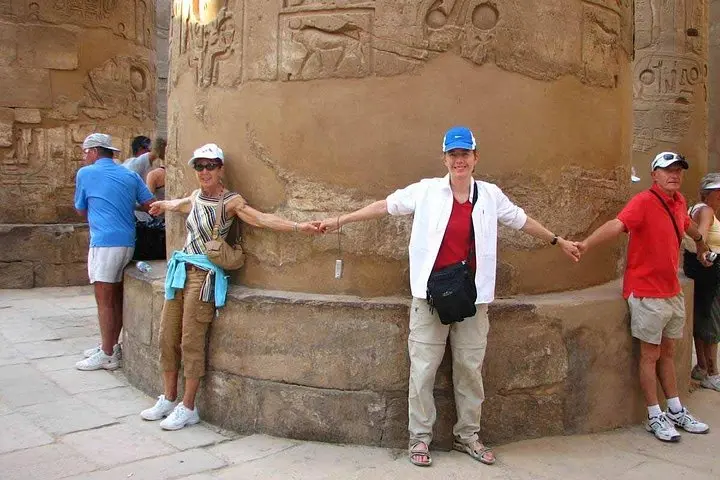
Luxor unfolds with the concentrated drama of the New Kingdom: the Valley of the Kings, Hatshepsut’s layered mortuary temple, the Colossi of Memnon, and the expansive pylons of Karnak. Geology is simple here — the Nile’s alluvial ribbon carving a green seam through Nubian sandstone and desert gravel — but culture is deep; each temple marks a sustained human project of belief and power.
Practical notes: shore excursions require walking on uneven stone and stairs; lightweight sun protection, a reusable water bottle, and sturdy walking shoes make the visit comfortable. Plan early mornings for cooler light and smaller crowds, and leave an afternoon for the river: it will reward quiet watching as much as the temple tours.
Most private Nile cruise packages include transfers from Aswan embarkation and to Luxor disembarkation or nearby airports—confirm pickup details at booking.
Many nationalities require a tourist visa for Egypt; check current embassy guidance and arrange an e-visa or visa on arrival before travel.
This full-board cruise lists breakfast, lunch and dinner included; check whether soft drinks, alcohol or specialty items have extra charges.
Some operators report accessible transport and surfaces, but temple sites have uneven stone and stairs—contact the operator to confirm specific accessibility needs.
Ancient Egypt Tours operates guided outdoor trips and adventures with an emphasis on safety, stewardship, and memorable experiences.
Dawn breaks on the Nile and the cruise slips away from Aswan with a soft shove of current; date palms and desert scarps slide past the deck as the river charts the route humans have followed for millennia.
Dawn breaks on the Nile and the cruise slips away from Aswan with a soft shove of current; date palms and desert scarps slide past the deck as the river charts the route humans have followed for millennia.
Over four days and three nights you move at the river's pace: mornings ashore to trace hieroglyph-lined colonnades, afternoons on deck watching light flatten the floodplain. In Aswan the High Dam and the Unfinished Obelisk tell a recent industrial story beside ancient stonework; Philae’s island temple still raises its terraces from the water like a private stage for the gods. South-to-north stops at Kom Ombo and Edfu reveal Ptolemaic architecture and dual dedications — crocodile and falcon deities holding court over a bend that once sheltered dangerous reptiles.
Luxor unfolds with the concentrated drama of the New Kingdom: the Valley of the Kings, Hatshepsut’s layered mortuary temple, the Colossi of Memnon, and the expansive pylons of Karnak. Geology is simple here — the Nile’s alluvial ribbon carving a green seam through Nubian sandstone and desert gravel — but culture is deep; each temple marks a sustained human project of belief and power.
Practical notes: shore excursions require walking on uneven stone and stairs; lightweight sun protection, a reusable water bottle, and sturdy walking shoes make the visit comfortable. Plan early mornings for cooler light and smaller crowds, and leave an afternoon for the river: it will reward quiet watching as much as the temple tours.