THE ADVENTURE COLLECTIVE® · Independent discovery and booking for outdoor travel

Cover the highlights of Upper Egypt in a compact private tour: Aswan’s High Dam and Philae, a felucca glide, then Luxor’s Valley of the Kings, Karnak and Hatshepsut—all with flights, transfers and an Egyptologist guide. Ideal for travelers who want maximum archaeology with minimum transit stress.
Cover the highlights of Upper Egypt in a compact private tour: Aswan’s High Dam and Philae, a felucca glide, then Luxor’s Valley of the Kings, Karnak and Hatshepsut—all with flights, transfers and an Egyptologist guide. Ideal for travelers who want maximum archaeology with minimum transit stress.
The morning plane lifts off Cairo and you feel the Nile’s broad plain slide away; within hours the ochre bank of Aswan appears, sun striking sandstone and water. You step from airport heat into wind that scours the river and plants the scent of date palms—this is a trip that trades distance for depth, compressing millennia into two active days.
Verified experiences and guided adventures in the surrounding area.
Operated by Egypt Sunny Tours · Aswan, Aswan Governorate
The morning plane lifts off Cairo and you feel the Nile’s broad plain slide away; within hours the ochre bank of Aswan appears, sun striking sandstone and water. You step from airport heat into wind that scours the river and plants the scent of date palms—this is a trip that trades distance for depth, compressing millennia into two active days.
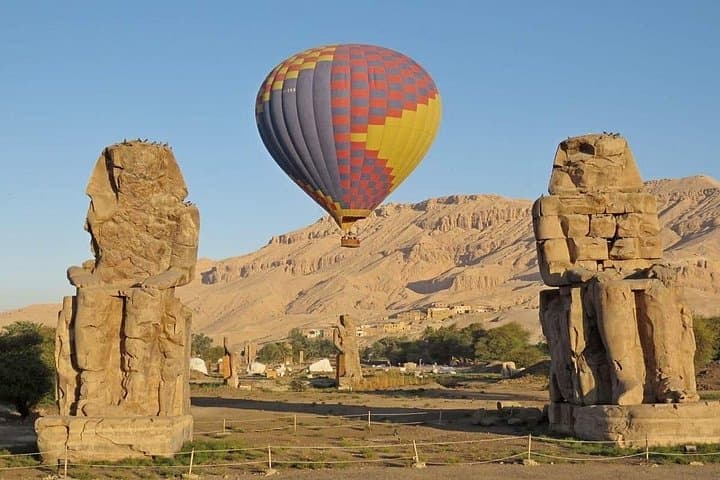
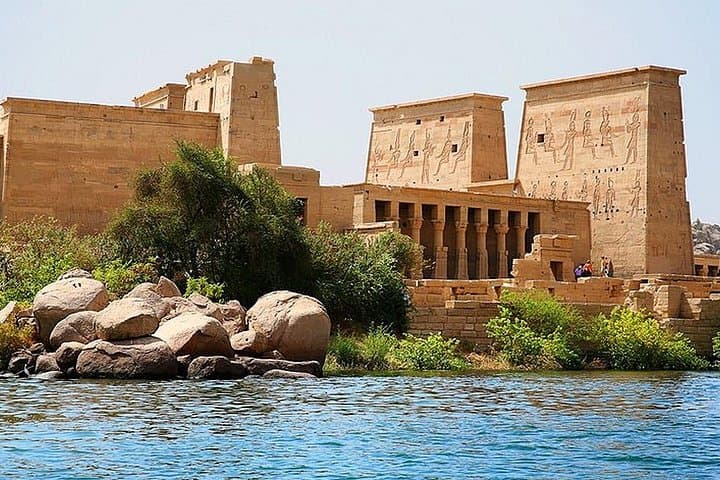
Aswan’s High Dam and Philae reveal modern engineering and late‑period temple architecture; the island temple of Isis was moved stone by stone during mid‑20th century salvage efforts when Lake Nasser flooded older sites. Travel a trainline or private vehicle west and the desert opens toward Luxor—ancient Thebes—where the Valley of the Kings, Karnak and Hatshepsut expose funerary rites, massive colonnades and reliefs carved into the cliff face.
Geology here is plain and purposeful: Nile silt and sandstone shaped the terrain and provided the raw material for temples and monuments. Local culture is as layered as the stone—Nubian villages near Aswan offer a living counterpoint to Luxor’s pharaonic script, and a felucca's steady pull gives a freshwater cadence to the itinerary.
Practical guide: plan early starts to avoid midday heat, wear sturdy but breathable shoes for uneven temple floors, and carry a refillable water bottle—bottled water is provided on the tour but refill options are useful. Respect dress codes at religious sites and keep photocopies of travel documents close. With organized transfers, internal flights and an Egyptologist guide, this itinerary is dense but highly manageable for travelers who want focused access to Egypt’s headline sites in a short window.
Yes—entry fees to the listed highlights in Luxor and Aswan are included in the tour package as described.
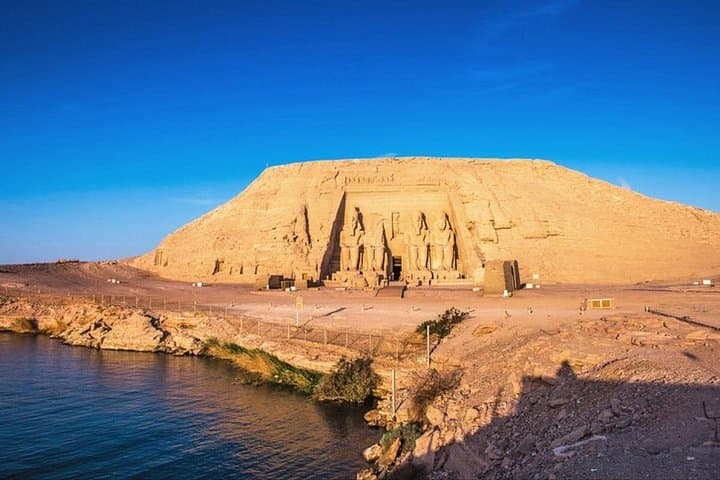
Abu Simbel is offered as an optional excursion; it may require additional time or an early start and can be dependent on scheduling and availability.
The tour notes wheelchair accessibility for transport and some surfaces, but many archaeological sites have steps and uneven ground—advance notice helps plan alternatives.
Most visitors to Egypt require a valid passport and visa—check entry requirements for your nationality and ensure passport validity meets airline and Egyptian regulations.
Egypt Sunny Tours operates guided outdoor trips and adventures with an emphasis on safety, stewardship, and memorable experiences.

The morning plane lifts off Cairo and you feel the Nile’s broad plain slide away; within hours the ochre bank of Aswan appears, sun striking sandstone and water. You step from airport heat into wind that scours the river and plants the scent of date palms—this is a trip that trades distance for depth, compressing millennia into two active days.
The morning plane lifts off Cairo and you feel the Nile’s broad plain slide away; within hours the ochre bank of Aswan appears, sun striking sandstone and water. You step from airport heat into wind that scours the river and plants the scent of date palms—this is a trip that trades distance for depth, compressing millennia into two active days.
Aswan’s High Dam and Philae reveal modern engineering and late‑period temple architecture; the island temple of Isis was moved stone by stone during mid‑20th century salvage efforts when Lake Nasser flooded older sites. Travel a trainline or private vehicle west and the desert opens toward Luxor—ancient Thebes—where the Valley of the Kings, Karnak and Hatshepsut expose funerary rites, massive colonnades and reliefs carved into the cliff face.
Geology here is plain and purposeful: Nile silt and sandstone shaped the terrain and provided the raw material for temples and monuments. Local culture is as layered as the stone—Nubian villages near Aswan offer a living counterpoint to Luxor’s pharaonic script, and a felucca's steady pull gives a freshwater cadence to the itinerary.
Practical guide: plan early starts to avoid midday heat, wear sturdy but breathable shoes for uneven temple floors, and carry a refillable water bottle—bottled water is provided on the tour but refill options are useful. Respect dress codes at religious sites and keep photocopies of travel documents close. With organized transfers, internal flights and an Egyptologist guide, this itinerary is dense but highly manageable for travelers who want focused access to Egypt’s headline sites in a short window.