THE ADVENTURE COLLECTIVE® · Independent discovery and booking for outdoor travel

Spend four efficient hours in Aswan visiting the High Dam, the Unfinished Obelisk, and boat access to Philae Temple. This guided tour combines modern engineering, ancient quarrying, and Ptolemaic temple art with hotel pickup and bottled water included.
Spend four efficient hours in Aswan visiting the High Dam, the Unfinished Obelisk, and boat access to Philae Temple. This guided tour combines modern engineering, ancient quarrying, and Ptolemaic temple art with hotel pickup and bottled water included.
The motorized minivan eases out of Aswan’s low-rise bustle and the Nile widens; sun-heated wind pushes across the water as the driver threads toward the High Dam. Visitors step from air-conditioned comfort onto a concrete crest that changed the river’s fate in 1960 — a modern engineering edge against seasonal floods. From there the route drops into the quarrying landscape where the Unfinished Obelisk sits, a raw slab of pink granite cleaved from bedrock and frozen in the act of construction.
Verified experiences and guided adventures in the surrounding area.
Operated by Special trips · Aswan, Aswan Governorate
The motorized minivan eases out of Aswan’s low-rise bustle and the Nile widens; sun-heated wind pushes across the water as the driver threads toward the High Dam. Visitors step from air-conditioned comfort onto a concrete crest that changed the river’s fate in 1960 — a modern engineering edge against seasonal floods. From there the route drops into the quarrying landscape where the Unfinished Obelisk sits, a raw slab of pink granite cleaved from bedrock and frozen in the act of construction.
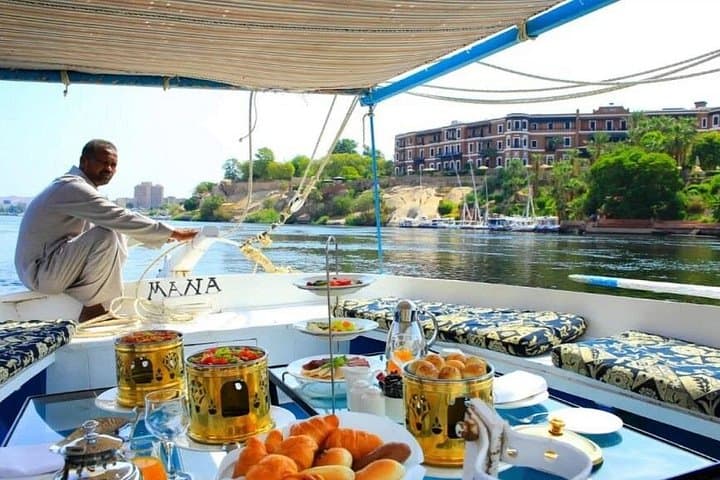
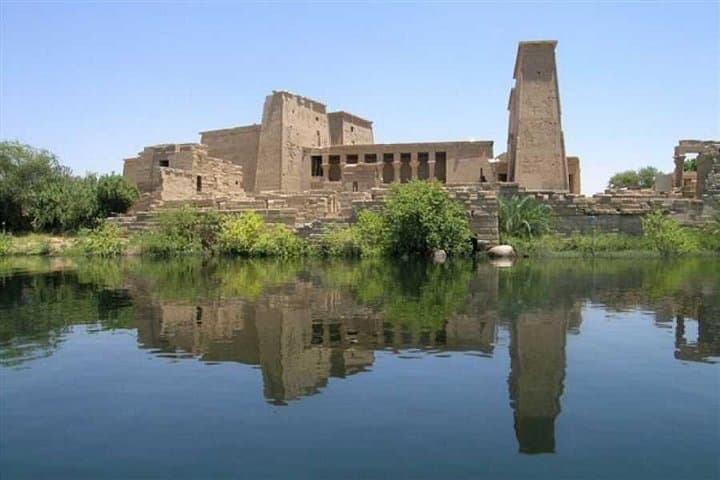
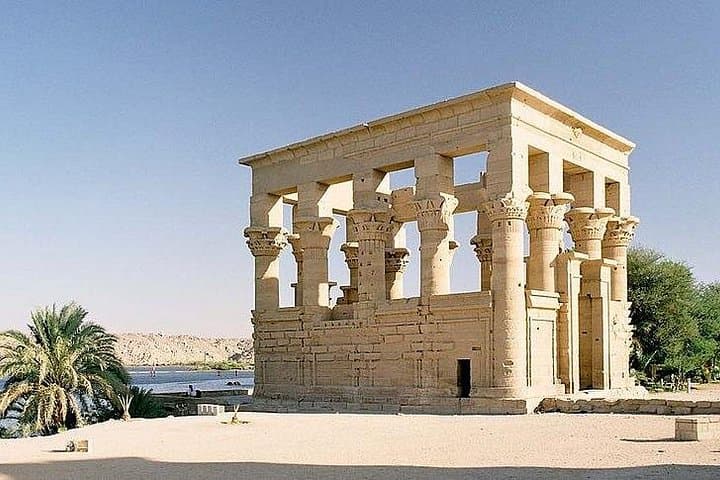
This short, focused tour stitches together Egypt’s layers: Pharaonic ambition at the obelisk site, 20th-century infrastructure at the High Dam, and Ptolemaic devotion at Philae Temple. Philae, relocated stone-by-stone to Agilkia Island during a UNESCO rescue in the 1960s–70s, preserves reliefs to Isis and scenes of ritual life. Geologically, Aswan’s granite and hard-grained rock provided the raw material for ancient monuments; the unfinished obelisk itself would have measured over 40 meters and weighed more than a thousand tonnes if completed.
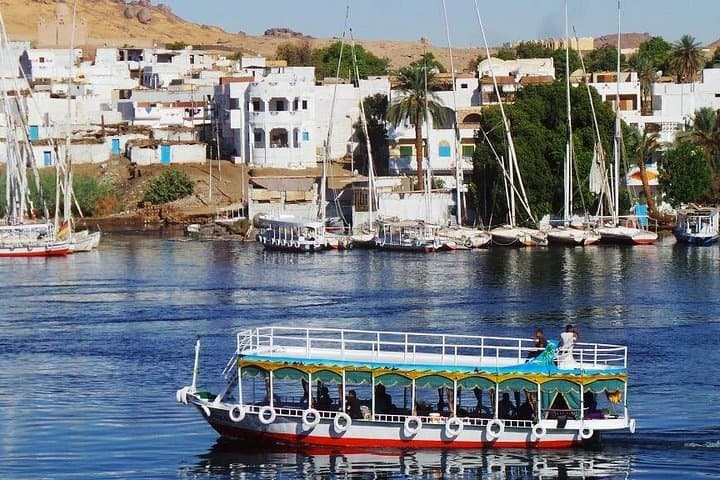
Practicalities are straightforward: the tour runs about four hours, includes hotel or cruise pickup, bottled water, and a licensed guide, but entrance fees and gratuities are extra. Expect short walks, a brief boat across to Philae, and flat, sun-exposed surfaces—shade is limited. Timed for cooler morning light, the visit rewards travelers who move steadily between sites and carry sun protection, comfortable shoes, and a readiness to step onto a small passenger boat. For first-time visitors the day balances tangible history and the physicality of place: rock that was split by ancient tools and a river that still directs the pace of life in Aswan.
No. The tour price excludes museum and site entrance fees; pay these on-site or confirm rates with your guide.
Yes. The tour includes pickup and return from hotels or Nile cruise boats within Aswan—confirm the pickup point at booking.
The tour is generally accessible and lists wheelchair access, but some sites (boat boarding and uneven temple surfaces) may require assistance—notify the operator in advance.
A licensed professional guide is included; language availability may vary—confirm English or other language preferences when booking.
Special trips operates guided outdoor trips and adventures with an emphasis on safety, stewardship, and memorable experiences.
The motorized minivan eases out of Aswan’s low-rise bustle and the Nile widens; sun-heated wind pushes across the water as the driver threads toward the High Dam. Visitors step from air-conditioned comfort onto a concrete crest that changed the river’s fate in 1960 — a modern engineering edge against seasonal floods. From there the route drops into the quarrying landscape where the Unfinished Obelisk sits, a raw slab of pink granite cleaved from bedrock and frozen in the act of construction.
The motorized minivan eases out of Aswan’s low-rise bustle and the Nile widens; sun-heated wind pushes across the water as the driver threads toward the High Dam. Visitors step from air-conditioned comfort onto a concrete crest that changed the river’s fate in 1960 — a modern engineering edge against seasonal floods. From there the route drops into the quarrying landscape where the Unfinished Obelisk sits, a raw slab of pink granite cleaved from bedrock and frozen in the act of construction.
This short, focused tour stitches together Egypt’s layers: Pharaonic ambition at the obelisk site, 20th-century infrastructure at the High Dam, and Ptolemaic devotion at Philae Temple. Philae, relocated stone-by-stone to Agilkia Island during a UNESCO rescue in the 1960s–70s, preserves reliefs to Isis and scenes of ritual life. Geologically, Aswan’s granite and hard-grained rock provided the raw material for ancient monuments; the unfinished obelisk itself would have measured over 40 meters and weighed more than a thousand tonnes if completed.
Practicalities are straightforward: the tour runs about four hours, includes hotel or cruise pickup, bottled water, and a licensed guide, but entrance fees and gratuities are extra. Expect short walks, a brief boat across to Philae, and flat, sun-exposed surfaces—shade is limited. Timed for cooler morning light, the visit rewards travelers who move steadily between sites and carry sun protection, comfortable shoes, and a readiness to step onto a small passenger boat. For first-time visitors the day balances tangible history and the physicality of place: rock that was split by ancient tools and a river that still directs the pace of life in Aswan.