THE ADVENTURE COLLECTIVE® · Independent discovery and booking for outdoor travel

Glide the Nile to Kitchener’s Island, wander shaded botanical paths, then meet Nubian hospitality and ride a camel along the riverbank. This 4–5 hour tour mixes natural history, culture and easy adventure for an accessible Aswan day out.
Glide the Nile to Kitchener’s Island, wander shaded botanical paths, then meet Nubian hospitality and ride a camel along the riverbank. This 4–5 hour tour mixes natural history, culture and easy adventure for an accessible Aswan day out.
You step from the shaded dock onto a slow motorboat and the Nile opens like a sunlit corridor—palm fronds brushing the river breeze, pink granite knobs punctuating the horizon. In less than an hour the boat eases beside Kitchener’s Island and the scent of citrus and damp earth replaces the city’s dust: a compact botanical world of towering palms, banyans and imported specimens that thrive on the river’s edge.
Verified experiences and guided adventures in the surrounding area.
Operated by Saray El-Nile · Aswan, Aswan Governorate
You step from the shaded dock onto a slow motorboat and the Nile opens like a sunlit corridor—palm fronds brushing the river breeze, pink granite knobs punctuating the horizon. In less than an hour the boat eases beside Kitchener’s Island and the scent of citrus and damp earth replaces the city’s dust: a compact botanical world of towering palms, banyans and imported specimens that thrive on the river’s edge.
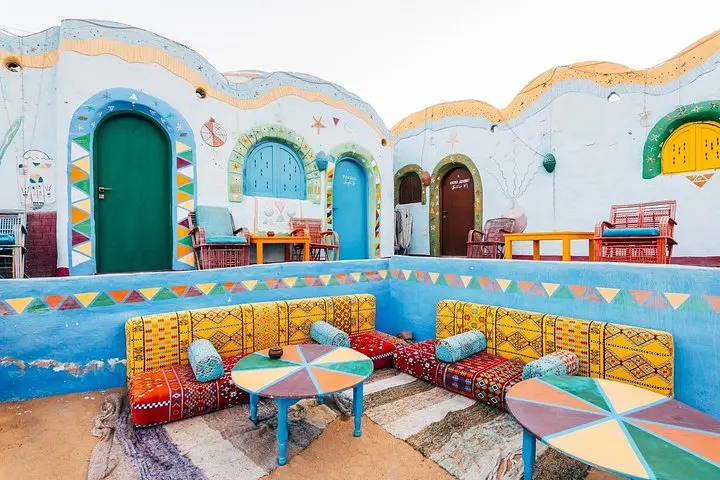
The garden dates to the late 19th century when Lord Kitchener developed the island to acclimatize exotic plants; its paths now trace human decisions as much as natural patterns. The geology here—ancient granite outcrops carved by the Nile’s current—frames a human landscape of floodplain agriculture and riverine villages. A short cruise west brings you to a Nubian village where bright geometric façades and narrow lanes reflect a distinct cultural rhythm: tea rituals, embroidered crafts, and a language and storytelling tradition that predates the tourist route.
The camel ride along the sandy banks is unhurried, offering broad views of water, desert and settlement — an accessible way to feel the area’s scale without technical effort. Expect stable, short hops rather than long treks; terrain is flat sand, compact paths and stepped docks.
Practical notes: the full excursion runs about 4–5 hours with hotel pickup; mornings or late afternoons are best for cooler light. Wear sun protection, flat closed shoes for walking the garden, and bring cash for small purchases and tips. Respect private homes, ask before photographing people, and follow your Egyptologist guide’s local advice to keep the visit both enjoyable and culturally sensitive.
The excursion typically lasts 4–5 hours including boat transfers, time on Kitchener’s Island, the Nubian village visit and a short camel ride.
Yes; camel rides are short and guided, but children should be supervised and infants may not be safe—check with the operator for age guidelines.
Yes — the itinerary lists admission included for the botanical garden and Nubian village activities as part of the tour package.
Pick-up and drop-off from hotels or Nile cruises in Aswan are included; confirm your pickup point when booking.
Saray El-Nile operates guided outdoor trips and adventures with an emphasis on safety, stewardship, and memorable experiences.
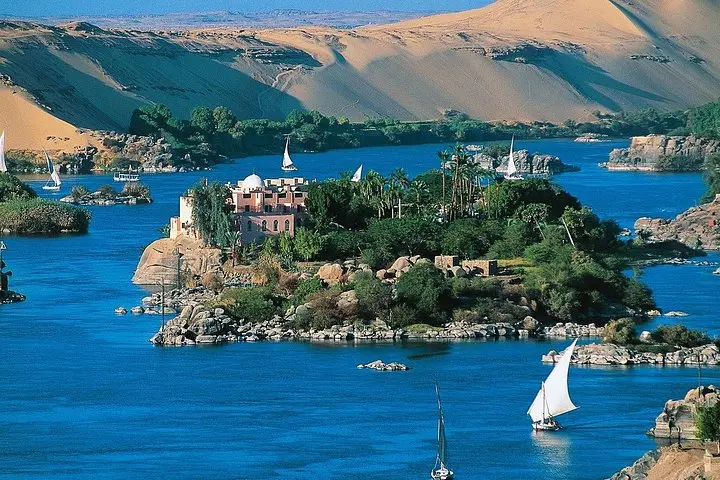
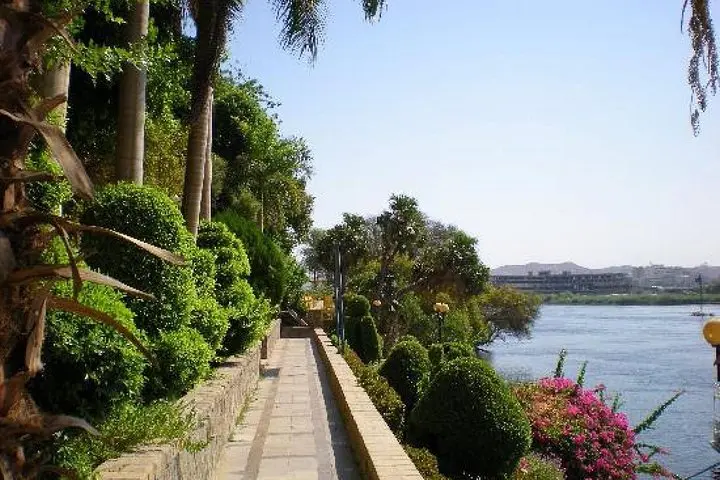
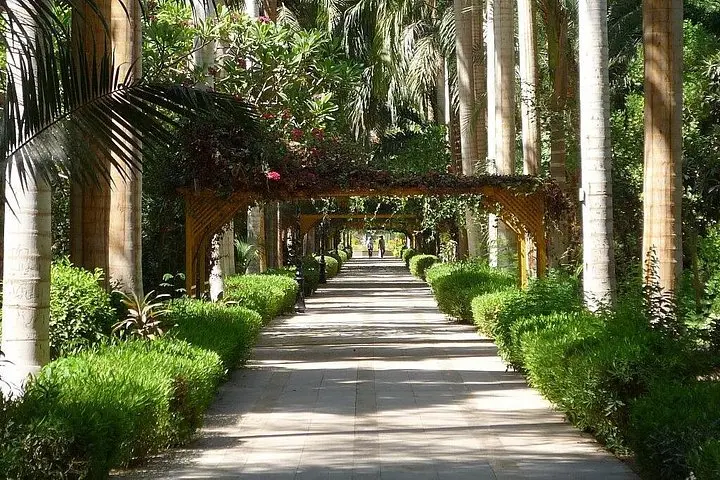
You step from the shaded dock onto a slow motorboat and the Nile opens like a sunlit corridor—palm fronds brushing the river breeze, pink granite knobs punctuating the horizon. In less than an hour the boat eases beside Kitchener’s Island and the scent of citrus and damp earth replaces the city’s dust: a compact botanical world of towering palms, banyans and imported specimens that thrive on the river’s edge.
You step from the shaded dock onto a slow motorboat and the Nile opens like a sunlit corridor—palm fronds brushing the river breeze, pink granite knobs punctuating the horizon. In less than an hour the boat eases beside Kitchener’s Island and the scent of citrus and damp earth replaces the city’s dust: a compact botanical world of towering palms, banyans and imported specimens that thrive on the river’s edge.
The garden dates to the late 19th century when Lord Kitchener developed the island to acclimatize exotic plants; its paths now trace human decisions as much as natural patterns. The geology here—ancient granite outcrops carved by the Nile’s current—frames a human landscape of floodplain agriculture and riverine villages. A short cruise west brings you to a Nubian village where bright geometric façades and narrow lanes reflect a distinct cultural rhythm: tea rituals, embroidered crafts, and a language and storytelling tradition that predates the tourist route.
The camel ride along the sandy banks is unhurried, offering broad views of water, desert and settlement — an accessible way to feel the area’s scale without technical effort. Expect stable, short hops rather than long treks; terrain is flat sand, compact paths and stepped docks.
Practical notes: the full excursion runs about 4–5 hours with hotel pickup; mornings or late afternoons are best for cooler light. Wear sun protection, flat closed shoes for walking the garden, and bring cash for small purchases and tips. Respect private homes, ask before photographing people, and follow your Egyptologist guide’s local advice to keep the visit both enjoyable and culturally sensitive.