THE ADVENTURE COLLECTIVE® · Independent discovery and booking for outdoor travel

Ride a camel across Aswan’s west bank, cross the Nile by motorboat, and visit Nubian villages and historic tombs on a private, 2–3 hour excursion. This guided adventure combines easy desert terrain with cultural stops and a chance to swim in the Nile.
Ride a camel across Aswan’s west bank, cross the Nile by motorboat, and visit Nubian villages and historic tombs on a private, 2–3 hour excursion. This guided adventure combines easy desert terrain with cultural stops and a chance to swim in the Nile.
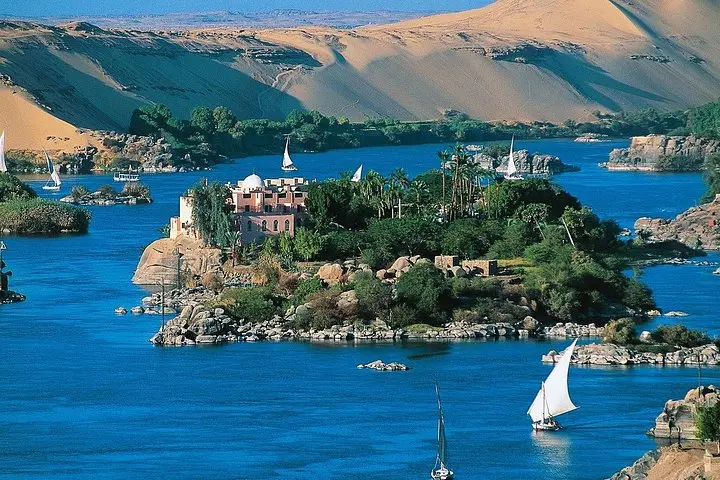
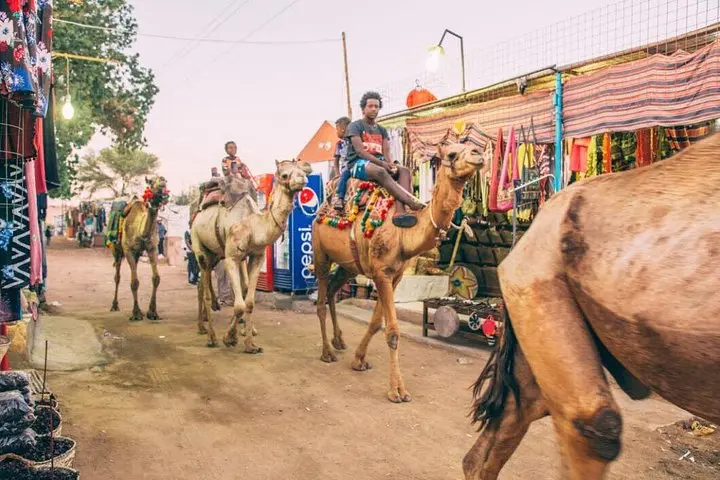
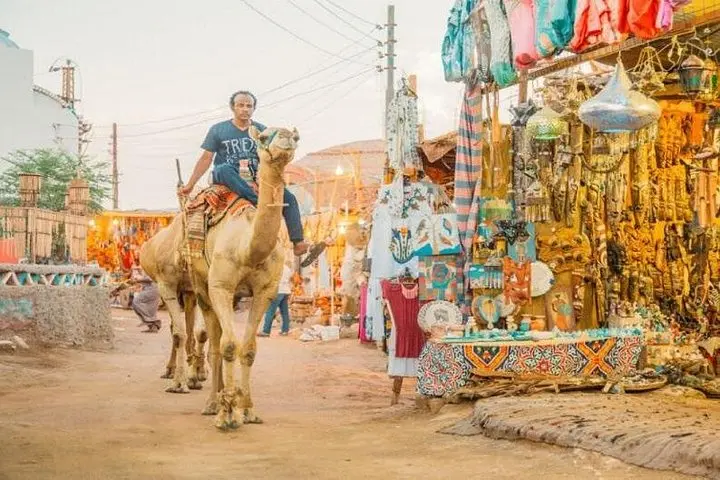
You step off a slow motorboat onto the hard, sun-warmed sand of Aswan’s west bank, the Nile easing past like a dark ribbon. Camels shift and breathe, their padded feet flattening dunes carved by seasonal winds; a local guide fits a saddle and points toward a lone monastery silhouetted on a low ridge. The rhythm of a camel ride is deliberate — swaying, patient, and generous with the view.
Verified experiences and guided adventures in the surrounding area.
Operated by Saray El-Nile · Aswan, Aswan Governorate
You step off a slow motorboat onto the hard, sun-warmed sand of Aswan’s west bank, the Nile easing past like a dark ribbon. Camels shift and breathe, their padded feet flattening dunes carved by seasonal winds; a local guide fits a saddle and points toward a lone monastery silhouetted on a low ridge. The rhythm of a camel ride is deliberate — swaying, patient, and generous with the view.
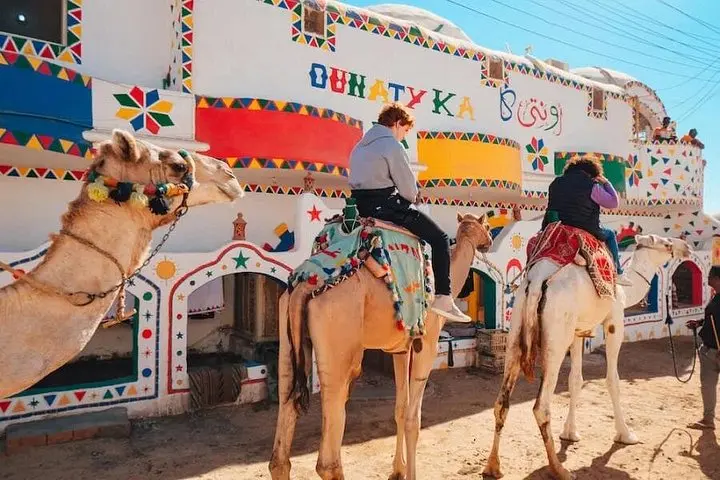
This stretch of the Nile is layered with history: pharaonic tombs cut into sandstone cliffs, the Aga Khan Mausoleum visible from the route, and centuries of Nubian village life along the riverbank. Geologically, the west bank’s sandy flats and granite outcrops record the Nile’s shifting fingerprints and the forces that braided desert and river. The culture here is direct and hospitable — expect friendly greetings in Nubian villages and offerings of tea after the ride.
On a practical note, the private excursion combines a short motorboat transfer, approximately 2–3 hours of total time, and a 1–2 hour camel segment across mostly flat desert. Terrain is sandy with some loose gravel; elevation gain is negligible. Bring sun protection, plenty of water, and steady footwear for mounting and dismounting. Guides typically include hotel pickup and a local meal; lightweight swimwear is useful if you plan to swim at the Barber area on the return.
Timing trips for morning or late afternoon avoids summer heat and softens light for photos. Be mindful of cultural norms in Nubian villages and leave sites as you found them to support ongoing conservation.
The camel segment typically lasts about 1–2 hours depending on pace and stops for photos or views.
Some operators stop at local swimming spots like the Barber area on return; check with your guide and observe safety and water quality guidance.
Yes — the activity is described as physically easy, but mounting a camel requires basic mobility; inform the operator of any limitations when booking.
Most private tours include a local meal and tea; bottled water may not be provided, so bring your own or confirm inclusions when booking.
Saray El-Nile operates guided outdoor trips and adventures with an emphasis on safety, stewardship, and memorable experiences.
You step off a slow motorboat onto the hard, sun-warmed sand of Aswan’s west bank, the Nile easing past like a dark ribbon. Camels shift and breathe, their padded feet flattening dunes carved by seasonal winds; a local guide fits a saddle and points toward a lone monastery silhouetted on a low ridge. The rhythm of a camel ride is deliberate — swaying, patient, and generous with the view.
You step off a slow motorboat onto the hard, sun-warmed sand of Aswan’s west bank, the Nile easing past like a dark ribbon. Camels shift and breathe, their padded feet flattening dunes carved by seasonal winds; a local guide fits a saddle and points toward a lone monastery silhouetted on a low ridge. The rhythm of a camel ride is deliberate — swaying, patient, and generous with the view.
This stretch of the Nile is layered with history: pharaonic tombs cut into sandstone cliffs, the Aga Khan Mausoleum visible from the route, and centuries of Nubian village life along the riverbank. Geologically, the west bank’s sandy flats and granite outcrops record the Nile’s shifting fingerprints and the forces that braided desert and river. The culture here is direct and hospitable — expect friendly greetings in Nubian villages and offerings of tea after the ride.
On a practical note, the private excursion combines a short motorboat transfer, approximately 2–3 hours of total time, and a 1–2 hour camel segment across mostly flat desert. Terrain is sandy with some loose gravel; elevation gain is negligible. Bring sun protection, plenty of water, and steady footwear for mounting and dismounting. Guides typically include hotel pickup and a local meal; lightweight swimwear is useful if you plan to swim at the Barber area on the return.
Timing trips for morning or late afternoon avoids summer heat and softens light for photos. Be mindful of cultural norms in Nubian villages and leave sites as you found them to support ongoing conservation.