THE ADVENTURE COLLECTIVE® · Independent discovery and booking for outdoor travel

A private, 4‑hour cultural circuit through Aswan’s religious and market core. Visit the Tabia Mosque, a prominent Coptic church, then navigate the lively Aswan Souq where local goods and bargaining set the pace.
A private, 4‑hour cultural circuit through Aswan’s religious and market core. Visit the Tabia Mosque, a prominent Coptic church, then navigate the lively Aswan Souq where local goods and bargaining set the pace.
A mid-morning sun throws hard light across the Nile as the city of Aswan wakes: a guide meets you at an air-conditioned vehicle, and the first steps take you past stone walls warmed by centuries of desert heat. The Tabia Mosque rises with carved stonework and Mamluk details that pull the eye upward; nearby, a Coptic church opens into cool shadowed aisles where painted panels and towering columns hold generations of worship.
Verified experiences and guided adventures in the surrounding area.
Operated by NORTH AFRICAN SHIPPING AND TOURISM COMPANY (NASCO TOURS) · Aswan, Aswan Governorate
A mid-morning sun throws hard light across the Nile as the city of Aswan wakes: a guide meets you at an air-conditioned vehicle, and the first steps take you past stone walls warmed by centuries of desert heat. The Tabia Mosque rises with carved stonework and Mamluk details that pull the eye upward; nearby, a Coptic church opens into cool shadowed aisles where painted panels and towering columns hold generations of worship.
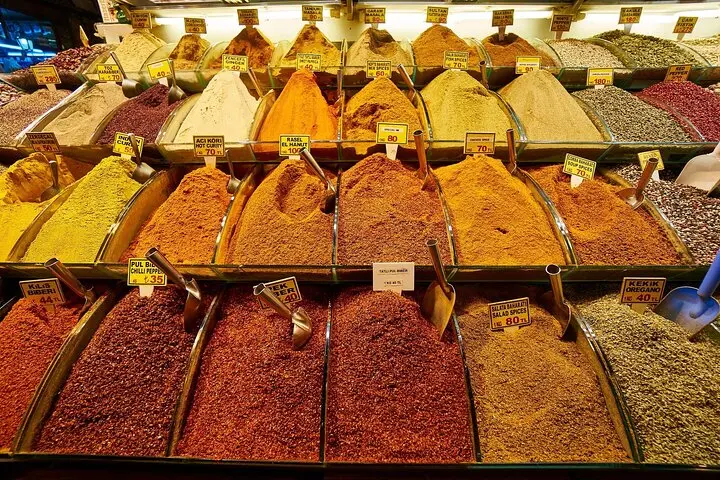
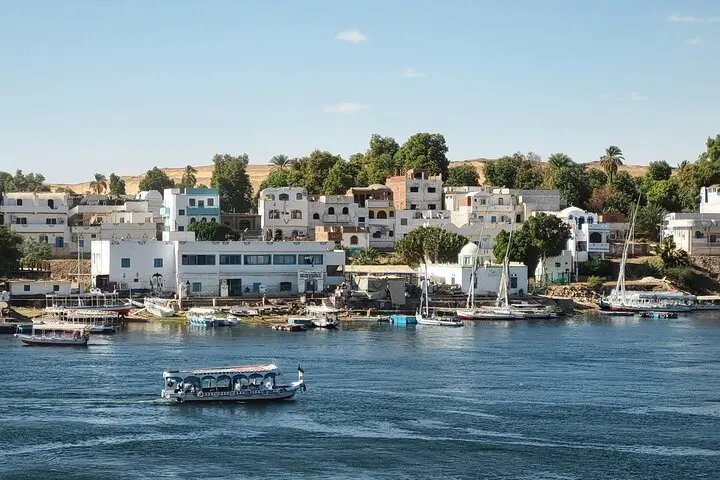
Aswan sits at Egypt’s southern edge, where Nubian culture, Pharaonic granite quarries and Ottoman-era city planning overlap. The area’s geology—exposed granite and desert alluvium—shaped temples and trade routes; culturally, Ottoman, Coptic and Nubian presences left visible marks in architecture and market stalls. The souq is practical and sensory: spices, textiles and African crafts arrayed on narrow lanes, haggling part of the rhythm.
On this private, roughly four-hour circuit, expect short walks between sites, informative stops and an emphasis on architecture and local life rather than strenuous hiking. Practical choices matter: modest clothing at religious sites, small bills for purchases, and a steady water bottle to handle heat. Morning or late afternoon visits reduce sun exposure; allow time in the souq to compare prices and inspect craftsmanship.
The tour offers a compact orientation to Aswan’s civic and spiritual heart—an efficient way to see the city’s layered history, pick up locally made goods and gain context for further exploration of islands, temples and Nubian villages upriver.
The itinerary runs about 4 hours and 15 minutes (roughly 255 minutes) with several short stops at each site.
The tour includes a specialized guide and some admissions are covered according to the itinerary; confirm specific site fees when booking.
Yes; the tour is rated easy and suitable for all fitness levels, though participants should be able to walk short distances and manage stairs.
Most operators provide English-speaking guides; request other language support at booking if needed.
NORTH AFRICAN SHIPPING AND TOURISM COMPANY (NASCO TOURS) operates guided outdoor trips and adventures with an emphasis on safety, stewardship, and memorable experiences.
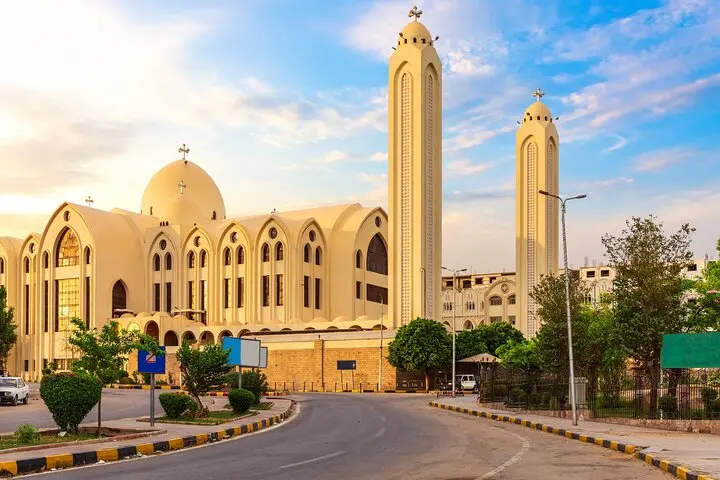
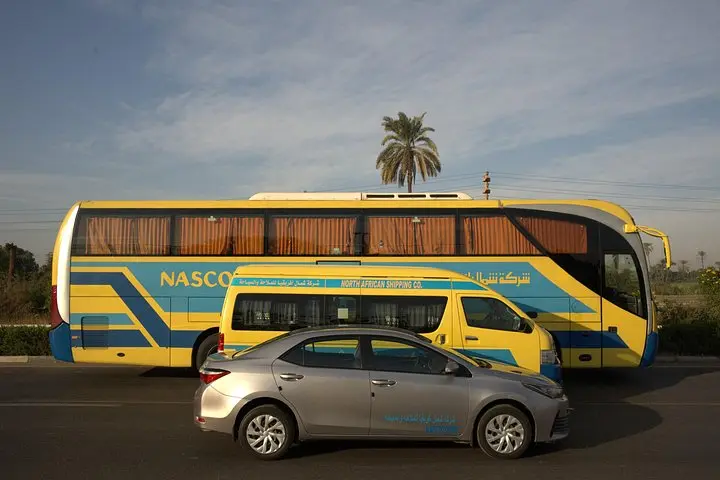
A mid-morning sun throws hard light across the Nile as the city of Aswan wakes: a guide meets you at an air-conditioned vehicle, and the first steps take you past stone walls warmed by centuries of desert heat. The Tabia Mosque rises with carved stonework and Mamluk details that pull the eye upward; nearby, a Coptic church opens into cool shadowed aisles where painted panels and towering columns hold generations of worship.
A mid-morning sun throws hard light across the Nile as the city of Aswan wakes: a guide meets you at an air-conditioned vehicle, and the first steps take you past stone walls warmed by centuries of desert heat. The Tabia Mosque rises with carved stonework and Mamluk details that pull the eye upward; nearby, a Coptic church opens into cool shadowed aisles where painted panels and towering columns hold generations of worship.
Aswan sits at Egypt’s southern edge, where Nubian culture, Pharaonic granite quarries and Ottoman-era city planning overlap. The area’s geology—exposed granite and desert alluvium—shaped temples and trade routes; culturally, Ottoman, Coptic and Nubian presences left visible marks in architecture and market stalls. The souq is practical and sensory: spices, textiles and African crafts arrayed on narrow lanes, haggling part of the rhythm.
On this private, roughly four-hour circuit, expect short walks between sites, informative stops and an emphasis on architecture and local life rather than strenuous hiking. Practical choices matter: modest clothing at religious sites, small bills for purchases, and a steady water bottle to handle heat. Morning or late afternoon visits reduce sun exposure; allow time in the souq to compare prices and inspect craftsmanship.
The tour offers a compact orientation to Aswan’s civic and spiritual heart—an efficient way to see the city’s layered history, pick up locally made goods and gain context for further exploration of islands, temples and Nubian villages upriver.