THE ADVENTURE COLLECTIVE® · Independent discovery and booking for outdoor travel

Spend a full day along the Nile exploring Aswan’s High Dam, the island shrine of Philae, the Unfinished Obelisk quarry, and a vibrant Nubian village. This accessible tour pairs engineering and ancient archaeology with a scenic boat passage through the first cataract.
Spend a full day along the Nile exploring Aswan’s High Dam, the island shrine of Philae, the Unfinished Obelisk quarry, and a vibrant Nubian village. This accessible tour pairs engineering and ancient archaeology with a scenic boat passage through the first cataract.
The Nile widens and slows as the morning light hits Aswan’s low skyline — the High Dam’s concrete face casts a bold line against the horizon while traditional feluccas drift nearby. Visitors step from an air-conditioned vehicle to raw geology and layered history: the modern dam that reshaped the river; the granite quarries where giant obelisks began as living rock; and the island-temple of Philae, surrounded by water and silence.
Verified experiences and guided adventures in the surrounding area.
Operated by Luxor Magic Tours · Aswan, Aswan Governorate
The Nile widens and slows as the morning light hits Aswan’s low skyline — the High Dam’s concrete face casts a bold line against the horizon while traditional feluccas drift nearby. Visitors step from an air-conditioned vehicle to raw geology and layered history: the modern dam that reshaped the river; the granite quarries where giant obelisks began as living rock; and the island-temple of Philae, surrounded by water and silence.
Philae’s stone reliefs and colonnades speak to Greek, Roman and ancient Egyptian phases of worship, relocated stone-by-stone during the mid-20th-century dam project. The High Dam itself is a 20th-century engineering pivot that created Lake Nasser and altered the Nile’s seasonal rhythm. The Unfinished Obelisk quarry reveals how ancient masons worked with fractures in Aswan granite; you can see chisel marks and the carrier channels once used to float monoliths downstream.
Cultural time is lived differently in Nubian villages along the first cataract: painted houses, dialects blending Arabic and Nobiin, and hospitality that often includes tea and conversation. Wildlife is most visible from the boat — river birds and small monitor lizards sun on exposed rock.
Practically, this is a long but low-impact day: expect around 7–8 hours with several short walks on uneven temple stones and quarry floors and two boat hops. Bring sun protection, sturdy shoes, cash for local purchases, and a camera with extra battery. Guides handle logistics and pickups, but plan for heat and intermittent dust when disembarking. The route balances engineering, archaeology and living culture into a single, accessible day along the Nile.
Most tour listings exclude national site entrance fees; expect to pay at site or confirm with your operator beforehand.
This private tour typically includes hotel pickup and return in Aswan; confirm pickup point and time when booking.
Yes—it's rated physically easy, but infants must sit on laps during transfers and parents should supervise near water and uneven sites.
Photography is generally allowed at Philae and in public village areas, but ask permission before photographing people inside homes or private spaces.
Luxor Magic Tours operates guided outdoor trips and adventures with an emphasis on safety, stewardship, and memorable experiences.
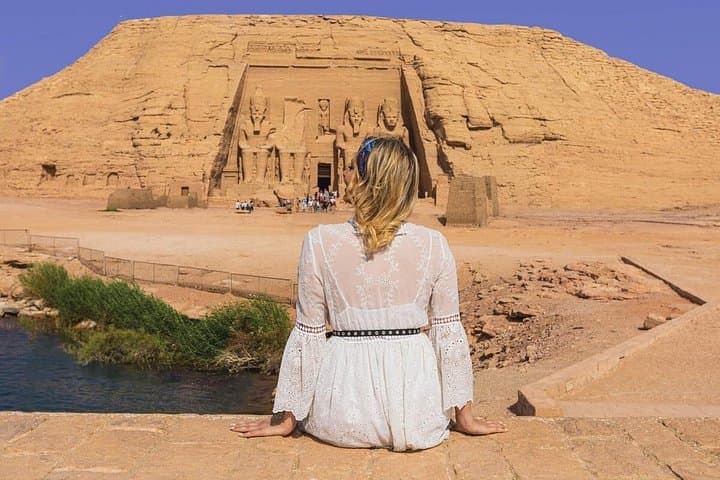


The Nile widens and slows as the morning light hits Aswan’s low skyline — the High Dam’s concrete face casts a bold line against the horizon while traditional feluccas drift nearby. Visitors step from an air-conditioned vehicle to raw geology and layered history: the modern dam that reshaped the river; the granite quarries where giant obelisks began as living rock; and the island-temple of Philae, surrounded by water and silence.
The Nile widens and slows as the morning light hits Aswan’s low skyline — the High Dam’s concrete face casts a bold line against the horizon while traditional feluccas drift nearby. Visitors step from an air-conditioned vehicle to raw geology and layered history: the modern dam that reshaped the river; the granite quarries where giant obelisks began as living rock; and the island-temple of Philae, surrounded by water and silence.
Philae’s stone reliefs and colonnades speak to Greek, Roman and ancient Egyptian phases of worship, relocated stone-by-stone during the mid-20th-century dam project. The High Dam itself is a 20th-century engineering pivot that created Lake Nasser and altered the Nile’s seasonal rhythm. The Unfinished Obelisk quarry reveals how ancient masons worked with fractures in Aswan granite; you can see chisel marks and the carrier channels once used to float monoliths downstream.
Cultural time is lived differently in Nubian villages along the first cataract: painted houses, dialects blending Arabic and Nobiin, and hospitality that often includes tea and conversation. Wildlife is most visible from the boat — river birds and small monitor lizards sun on exposed rock.
Practically, this is a long but low-impact day: expect around 7–8 hours with several short walks on uneven temple stones and quarry floors and two boat hops. Bring sun protection, sturdy shoes, cash for local purchases, and a camera with extra battery. Guides handle logistics and pickups, but plan for heat and intermittent dust when disembarking. The route balances engineering, archaeology and living culture into a single, accessible day along the Nile.