THE ADVENTURE COLLECTIVE® · Independent discovery and booking for outdoor travel

Spend a relaxed day exploring Aswan’s best: Philae Temple’s island sanctuaries, the engineering scale of the High Dam, the Unfinished Obelisk in its quarry, and the culturally rich Nubian Museum. This private tour pairs easy logistics with local insight.
Spend a relaxed day exploring Aswan’s best: Philae Temple’s island sanctuaries, the engineering scale of the High Dam, the Unfinished Obelisk in its quarry, and the culturally rich Nubian Museum. This private tour pairs easy logistics with local insight.
You step off the shaded quay and the Nile breathes warm air across your face—boats cut a slow wake, and Philae’s stone columns rise like pages of a weathered book. The day tour moves at a calm pace: a short boat ride to Philae Temple, a quick inspection of the monumental High Dam, the stony scale of the Unfinished Obelisk, and a final cultural sweep through the Nubian Museum.
Verified experiences and guided adventures in the surrounding area.
Operated by Eyes of Egypt · Aswan, Aswan Governorate
You step off the shaded quay and the Nile breathes warm air across your face—boats cut a slow wake, and Philae’s stone columns rise like pages of a weathered book. The day tour moves at a calm pace: a short boat ride to Philae Temple, a quick inspection of the monumental High Dam, the stony scale of the Unfinished Obelisk, and a final cultural sweep through the Nubian Museum.
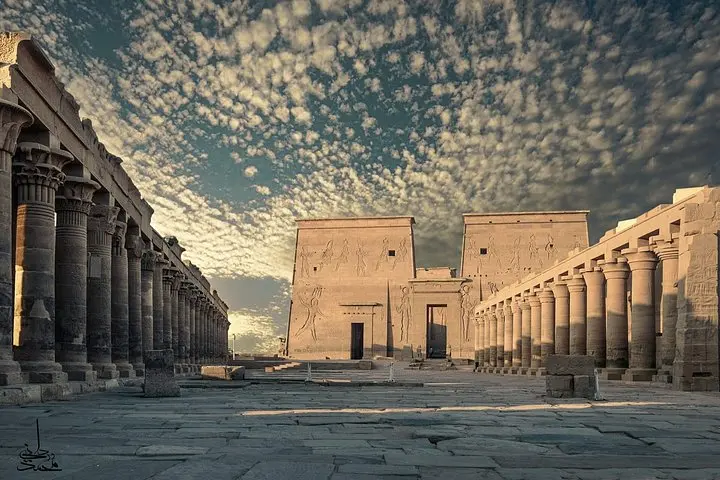
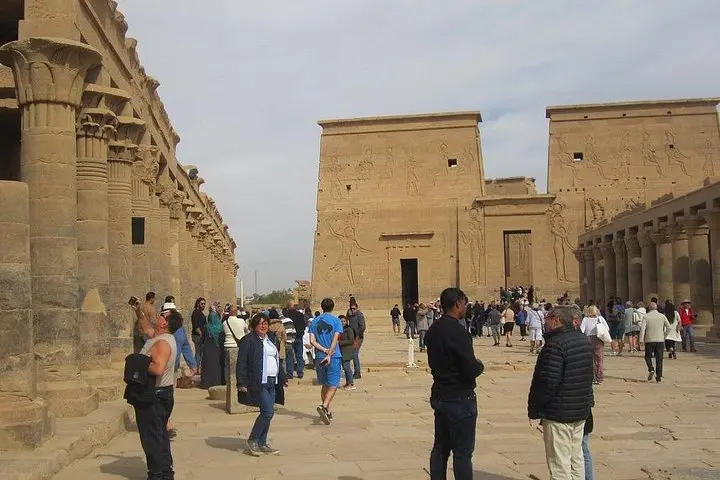
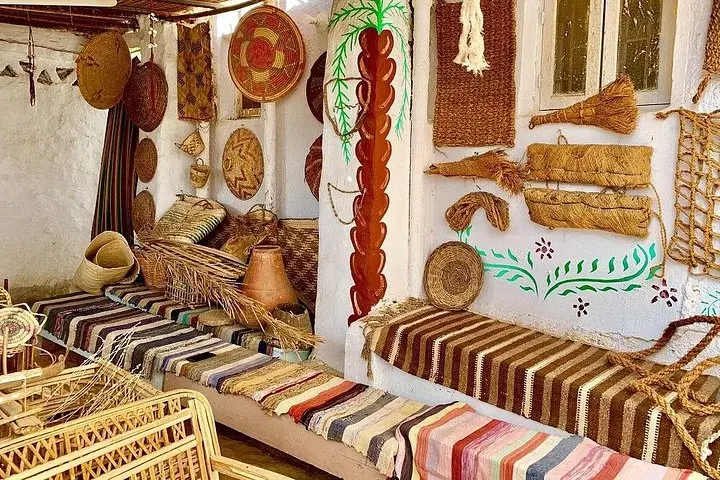
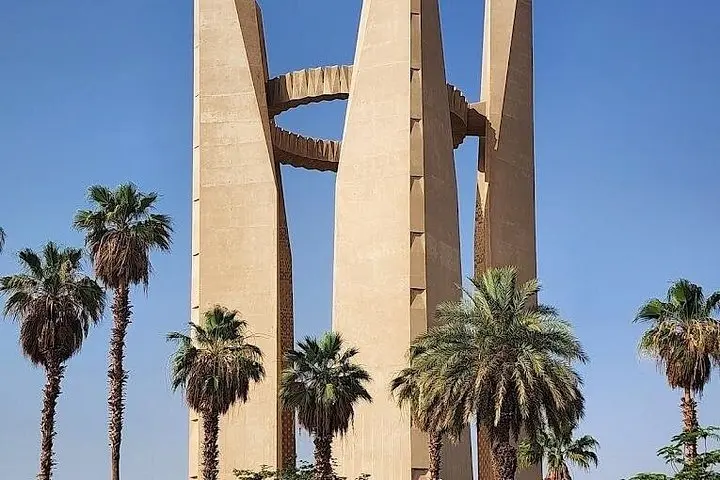
Philae is a late Ptolemaic and Roman-era sanctuary relocated to Agilkia Island after the Aswan High Dam created Lake Nasser; its reliefs preserve rituals to Isis and seasonal myths tied to the Nile. The High Dam itself marks modern Egyptian engineering—its concrete bulk controls floods and generates hydroelectric power, reshaping both landscape and livelihoods. The Unfinished Obelisk in the northern quarry shows quarrying technique in raw form—an aborted project frozen in place. The Nubian Museum curates artifacts and vernacular crafts that map millennia of riverine life and Nubian resilience.
Expect short walks, some steps and boat transfers, plenty of shaded rests, and a guide who connects archaeology to local life. Practical notes: carry water, sun protection, and modest clothing for temple interiors. Photography is allowed in most outdoor areas; interiors may limit flash. The tour’s 5–6 hour rhythm gives time to absorb sites without rushing—ideal for first-time visitors who want cultural depth with easy logistics.
Yes—entrance tickets for Philae, the High Dam viewpoint, the Unfinished Obelisk, and the Nubian Museum are included in the tour price.
Yes; a short boat ride to Agilkia Island (Philae) is part of the itinerary and handled by the operator.
Yes; the tour is rated easy with short walks, rests, and wheelchair-accessible options—note some sites have steps.
This is a private, customizable day tour—timing and emphasis can often be adjusted when you provide preferences at booking.
Eyes of Egypt operates guided outdoor trips and adventures with an emphasis on safety, stewardship, and memorable experiences.
You step off the shaded quay and the Nile breathes warm air across your face—boats cut a slow wake, and Philae’s stone columns rise like pages of a weathered book. The day tour moves at a calm pace: a short boat ride to Philae Temple, a quick inspection of the monumental High Dam, the stony scale of the Unfinished Obelisk, and a final cultural sweep through the Nubian Museum.
You step off the shaded quay and the Nile breathes warm air across your face—boats cut a slow wake, and Philae’s stone columns rise like pages of a weathered book. The day tour moves at a calm pace: a short boat ride to Philae Temple, a quick inspection of the monumental High Dam, the stony scale of the Unfinished Obelisk, and a final cultural sweep through the Nubian Museum.
Philae is a late Ptolemaic and Roman-era sanctuary relocated to Agilkia Island after the Aswan High Dam created Lake Nasser; its reliefs preserve rituals to Isis and seasonal myths tied to the Nile. The High Dam itself marks modern Egyptian engineering—its concrete bulk controls floods and generates hydroelectric power, reshaping both landscape and livelihoods. The Unfinished Obelisk in the northern quarry shows quarrying technique in raw form—an aborted project frozen in place. The Nubian Museum curates artifacts and vernacular crafts that map millennia of riverine life and Nubian resilience.
Expect short walks, some steps and boat transfers, plenty of shaded rests, and a guide who connects archaeology to local life. Practical notes: carry water, sun protection, and modest clothing for temple interiors. Photography is allowed in most outdoor areas; interiors may limit flash. The tour’s 5–6 hour rhythm gives time to absorb sites without rushing—ideal for first-time visitors who want cultural depth with easy logistics.