THE ADVENTURE COLLECTIVE® · Independent discovery and booking for outdoor travel

Spend a morning crossing the Nile by motorboat to visit Aswan’s engineering landmark and two of its most compelling ancient sites. This guided tour pairs easy walking with boat transfers, hands-on history, and close-up geology of Aswan granite.
Spend a morning crossing the Nile by motorboat to visit Aswan’s engineering landmark and two of its most compelling ancient sites. This guided tour pairs easy walking with boat transfers, hands-on history, and close-up geology of Aswan granite.
The motorboat slips away from Aswan's quay and the Nile draws you forward, reeds whispering against the hull as the city recedes. In minutes the river widens into open water; sunlight rolls across the surface and the filigree of Philae's pylons appears like an island of stone sticking stubbornly out of a watery plain.
Verified experiences and guided adventures in the surrounding area.
Operated by Egypt Best Holidays · Aswan, Aswan Governorate
The motorboat slips away from Aswan's quay and the Nile draws you forward, reeds whispering against the hull as the city recedes. In minutes the river widens into open water; sunlight rolls across the surface and the filigree of Philae's pylons appears like an island of stone sticking stubbornly out of a watery plain.
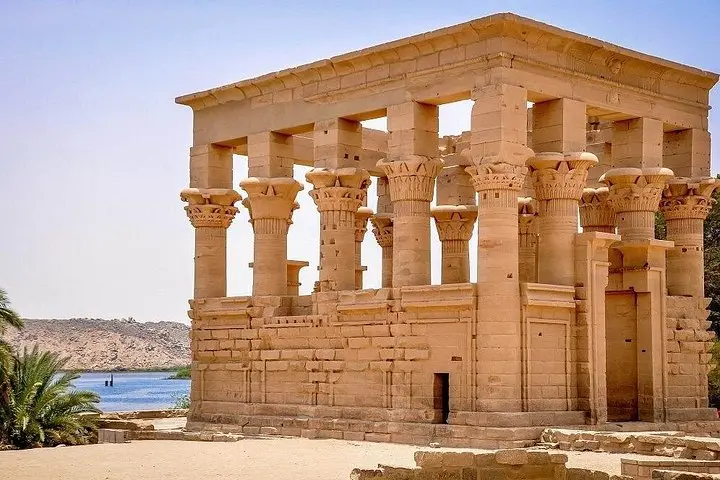
This half-day tour pairs modern engineering and ancient ambition: the High Dam, completed in the 1960s, reshaped the river and created Lake Nasser; the Unfinished Obelisk lies in situ in Aswan's granite quarries, a raw block that explains ancient stonecraft and why a single crack stopped a king's project; and Philae Temple, dedicated to Isis, was dismantled and reassembled on a higher island when rising waters threatened its original foundation.
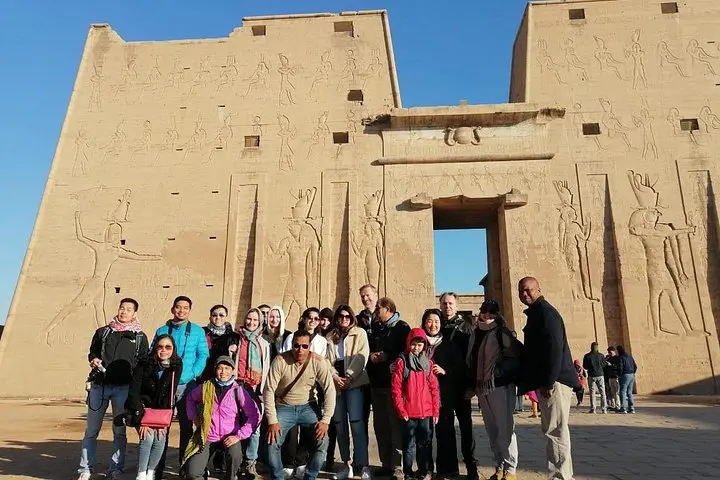
Geology is on display in the red Aswan granite at the quarries; culture is in the reliefs and hieroglyphs that narrate rituals and river life. The guide connects these elements, explaining quarrying techniques, the dam's social effects, and the temple's rescue during UNESCO campaigns.
Practical side: expect 5–6 hours with short guided walks, boat transfers, and stair sections at Philae. Surfaces are mostly paved or packed stone; bring sun protection, sturdy shoes, and Egyptian pounds for entrance fees and tips. Morning departures avoid the heat and offer cleaner light for photos. Operators typically include bottled water and hotel pickup; confirm pickup location and any extra charges for outlying hotels. With basic mobility you can experience both the quiet authority of the Nile and the human stories carved into its banks.
Most operators do not include government entrance fees; bring Egyptian pounds for tickets—students with valid ID often receive discounts.
The operator lists wheelchair accessibility, but boat boarding and certain temple areas have steps—check specifics and request assistance if needed.
The motorboat segment to Philae is short (a few minutes); overall tour logistics include drives between sites totaling roughly 5–6 hours.
Guides commonly offer multiple languages; confirm your preferred language at booking to ensure a qualified Egyptologist is available.
Egypt Best Holidays operates guided outdoor trips and adventures with an emphasis on safety, stewardship, and memorable experiences.

The motorboat slips away from Aswan's quay and the Nile draws you forward, reeds whispering against the hull as the city recedes. In minutes the river widens into open water; sunlight rolls across the surface and the filigree of Philae's pylons appears like an island of stone sticking stubbornly out of a watery plain.
The motorboat slips away from Aswan's quay and the Nile draws you forward, reeds whispering against the hull as the city recedes. In minutes the river widens into open water; sunlight rolls across the surface and the filigree of Philae's pylons appears like an island of stone sticking stubbornly out of a watery plain.
This half-day tour pairs modern engineering and ancient ambition: the High Dam, completed in the 1960s, reshaped the river and created Lake Nasser; the Unfinished Obelisk lies in situ in Aswan's granite quarries, a raw block that explains ancient stonecraft and why a single crack stopped a king's project; and Philae Temple, dedicated to Isis, was dismantled and reassembled on a higher island when rising waters threatened its original foundation.
Geology is on display in the red Aswan granite at the quarries; culture is in the reliefs and hieroglyphs that narrate rituals and river life. The guide connects these elements, explaining quarrying techniques, the dam's social effects, and the temple's rescue during UNESCO campaigns.
Practical side: expect 5–6 hours with short guided walks, boat transfers, and stair sections at Philae. Surfaces are mostly paved or packed stone; bring sun protection, sturdy shoes, and Egyptian pounds for entrance fees and tips. Morning departures avoid the heat and offer cleaner light for photos. Operators typically include bottled water and hotel pickup; confirm pickup location and any extra charges for outlying hotels. With basic mobility you can experience both the quiet authority of the Nile and the human stories carved into its banks.