THE ADVENTURE COLLECTIVE® · Independent discovery and booking for outdoor travel

Slide downstream from Aswan to Luxor on a three-night Nile cruise that combines rivertime with guided visits to Abu Simbel, Kom Ombo, Edfu and Luxor. Expect early starts for marquee sites, a dawn hot-air balloon over Luxor and easy onboard comforts between excursions.
Slide downstream from Aswan to Luxor on a three-night Nile cruise that combines rivertime with guided visits to Abu Simbel, Kom Ombo, Edfu and Luxor. Expect early starts for marquee sites, a dawn hot-air balloon over Luxor and easy onboard comforts between excursions.
The Nile moves like a slow, insistent hand through southern Egypt — carrying feluccas, palm-lined farms and the shadow of millennia past. Boarding a three-night Nile cruise in Aswan, travelers slide downstream past sun-baked riverbanks, awake to ancient stone rising from the sand and fall asleep to the low thrum of the ship's engines.
Verified experiences and guided adventures in the surrounding area.
Operated by Best Of Egypt Tours · Aswan, Aswan Governorate
The Nile moves like a slow, insistent hand through southern Egypt — carrying feluccas, palm-lined farms and the shadow of millennia past. Boarding a three-night Nile cruise in Aswan, travelers slide downstream past sun-baked riverbanks, awake to ancient stone rising from the sand and fall asleep to the low thrum of the ship's engines.
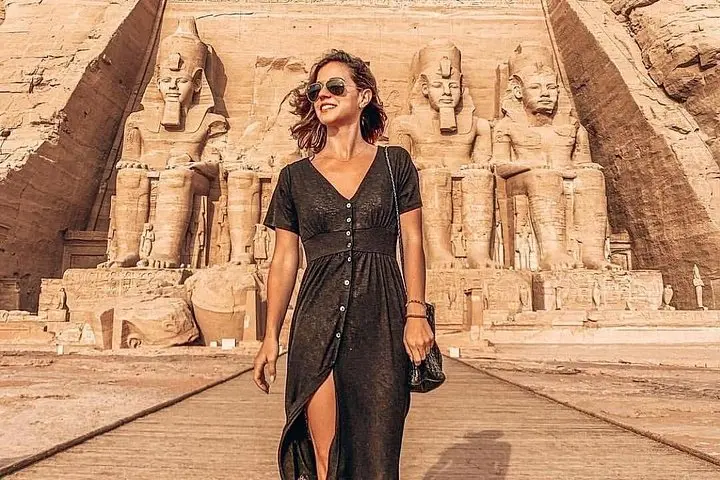
This four-day itinerary stitches modern infrastructure and layers of history: the 1960 Aswan High Dam that reshaped the river; rock-cut Abu Simbel, relocated to save it from Lake Nasser; Greco-Roman and Pharaonic temples at Philae, Kom Ombo and Edfu; and the monumental ruins of Luxor and the Valley of the Kings. Geology here is straightforward — Nile silt plains bordered by sandstone escarpments and desert plateaus — but the human story carved in stone is complex, with temples reused through Pharaonic, Coptic and Islamic eras.
Practical guidance: the trip runs four days (three nights onboard), with early starts for Abu Simbel and a dawn hot-air balloon over Luxor (35–45 minutes). Walks at sites are short but on uneven stone and sand; expect minimal elevation change but lots of sun and stairs in temples. Pack breathable sun layers, sturdy walking shoes with good grip, sunscreen, and a refillable water bottle. Carry small Egyptian pounds for tips and local purchases; cameras are welcome but obey site rules. Mobility-friendly transfers are usually provided, yet some tombs and temple interiors are narrow.
This cruise blends relaxed river travel with targeted excursions — an efficient way to see major Upper Egyptian highlights while floating between eras.
Most visitors require a visa to enter Egypt; check your nationality and obtain a visa in advance or on arrival where applicable.
Visits involve short walks and stairs; most sites are low-elevation but have uneven surfaces—reasonable mobility is required.
The 35–45 minute balloon ride over Luxor is typically included; operators follow local safety regulations but cancellations can occur for weather.
This package includes full board on the cruise (breakfast, lunch, dinner) though local restaurant meals (optional) may be extra.
Best Of Egypt Tours operates guided outdoor trips and adventures with an emphasis on safety, stewardship, and memorable experiences.
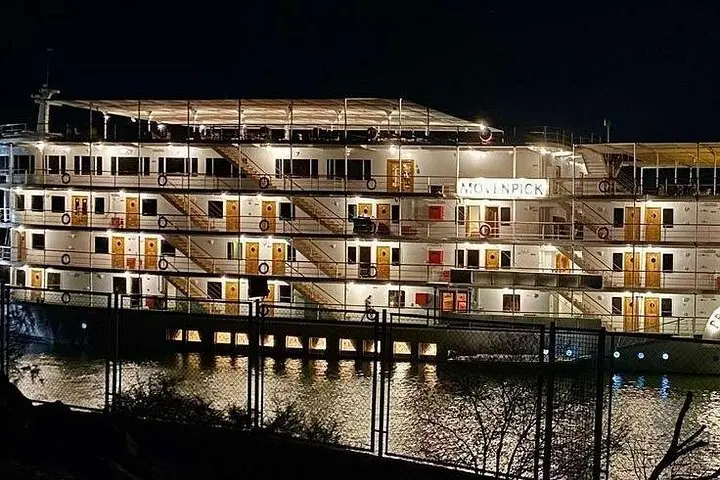
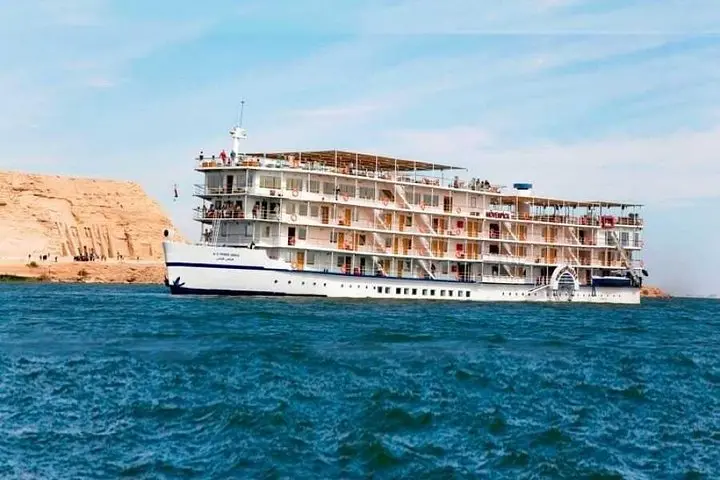
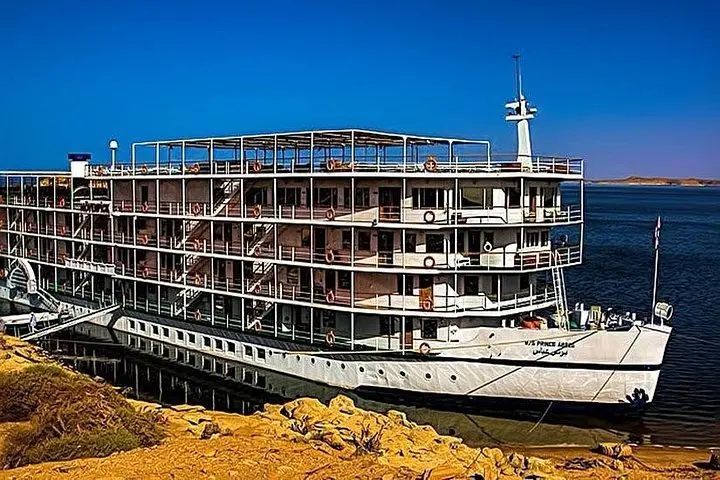
The Nile moves like a slow, insistent hand through southern Egypt — carrying feluccas, palm-lined farms and the shadow of millennia past. Boarding a three-night Nile cruise in Aswan, travelers slide downstream past sun-baked riverbanks, awake to ancient stone rising from the sand and fall asleep to the low thrum of the ship's engines.
The Nile moves like a slow, insistent hand through southern Egypt — carrying feluccas, palm-lined farms and the shadow of millennia past. Boarding a three-night Nile cruise in Aswan, travelers slide downstream past sun-baked riverbanks, awake to ancient stone rising from the sand and fall asleep to the low thrum of the ship's engines.
This four-day itinerary stitches modern infrastructure and layers of history: the 1960 Aswan High Dam that reshaped the river; rock-cut Abu Simbel, relocated to save it from Lake Nasser; Greco-Roman and Pharaonic temples at Philae, Kom Ombo and Edfu; and the monumental ruins of Luxor and the Valley of the Kings. Geology here is straightforward — Nile silt plains bordered by sandstone escarpments and desert plateaus — but the human story carved in stone is complex, with temples reused through Pharaonic, Coptic and Islamic eras.
Practical guidance: the trip runs four days (three nights onboard), with early starts for Abu Simbel and a dawn hot-air balloon over Luxor (35–45 minutes). Walks at sites are short but on uneven stone and sand; expect minimal elevation change but lots of sun and stairs in temples. Pack breathable sun layers, sturdy walking shoes with good grip, sunscreen, and a refillable water bottle. Carry small Egyptian pounds for tips and local purchases; cameras are welcome but obey site rules. Mobility-friendly transfers are usually provided, yet some tombs and temple interiors are narrow.
This cruise blends relaxed river travel with targeted excursions — an efficient way to see major Upper Egyptian highlights while floating between eras.