THE ADVENTURE COLLECTIVE® · Independent discovery and booking for outdoor travel

Float between Aswan and Luxor on a four-day Nile cruise that pairs five-star comfort with Abu Simbel, Kom Ombo, Edfu and a hot-air balloon over Luxor. Expect guided temple walks, early starts and a mix of river calm and archaeological intensity.
Float between Aswan and Luxor on a four-day Nile cruise that pairs five-star comfort with Abu Simbel, Kom Ombo, Edfu and a hot-air balloon over Luxor. Expect guided temple walks, early starts and a mix of river calm and archaeological intensity.
The Nile unrolls like an old road beneath the cruise's hull as the morning light slips across Aswan's water and the city wakes. Guests step from a riverside quay onto a five-star ship; the river pushes the itinerary forward while temples and sandstone cliffs slide by like chapters of history.
Verified experiences and guided adventures in the surrounding area.
Operated by Best Of Egypt Tours · Aswan, Aswan Governorate
The Nile unrolls like an old road beneath the cruise's hull as the morning light slips across Aswan's water and the city wakes. Guests step from a riverside quay onto a five-star ship; the river pushes the itinerary forward while temples and sandstone cliffs slide by like chapters of history.
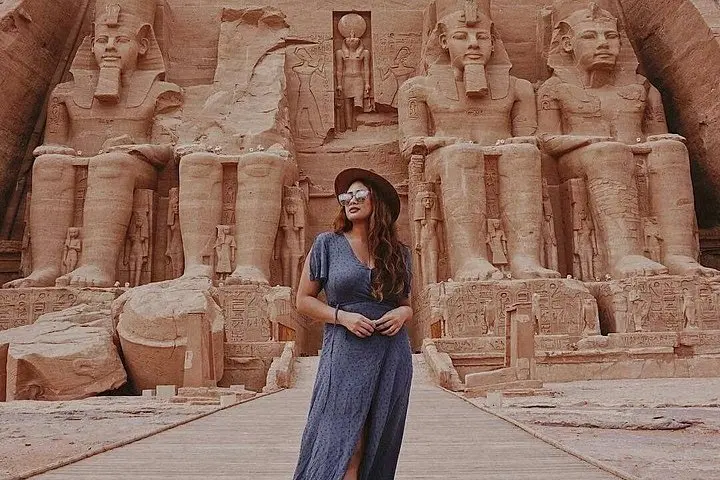
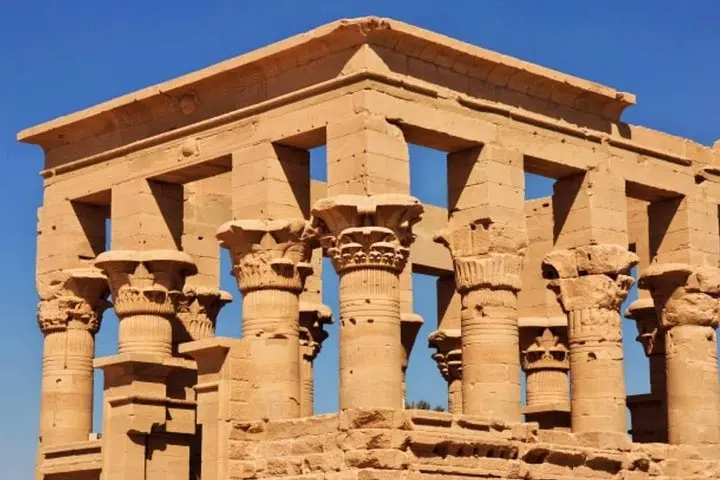
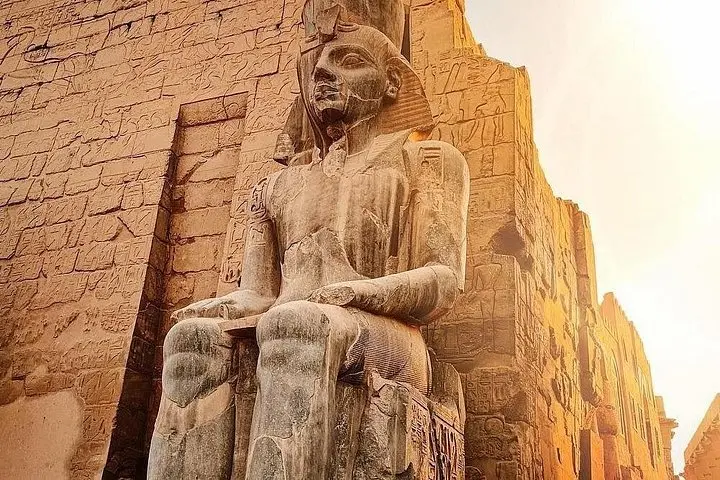
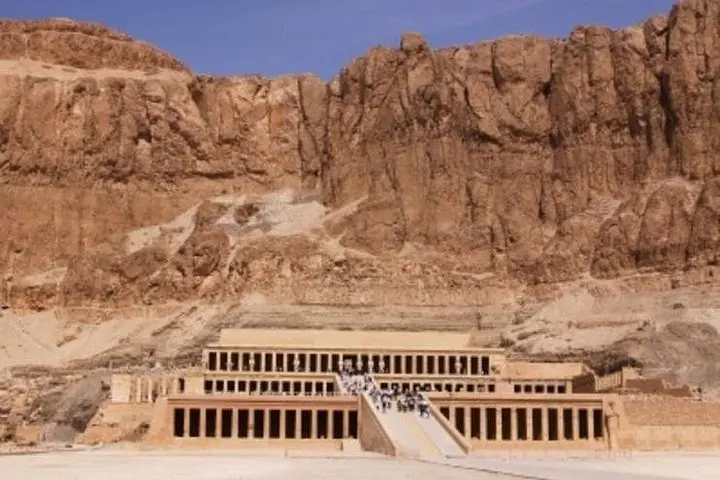
This four-day circuit traces Upper Egypt's core: Philae and the modern engineering of the Aswan High Dam, the relocated colossi and rock-cut majesty of Abu Simbel, Ptolemaic Kom Ombo and Edfu, and the Luxor corridor of Karnak, the Valley of the Kings and Hatshepsut. Geology here is simple and dramatic — Nile silt and Nubian sandstone shaped millennia of settlement, while the river remains the region's organizing force. Culturally, the route threads Nubian markets, Coptic and Islamic neighborhoods in Aswan, and the millennia-deep funerary landscape on Luxor's west bank.
Expect guided visits with an Egyptologist, timed entries and moderate walking: temple courts, colonnades and uneven stone steps dominate the onshore portions; the cruise provides meals and transfers between sites. Dawn balloon flights over Luxor give a bird's-eye of the valley; early starts and light winds are typical for safe flights.
Practical guidance: bring sun protection, sturdy closed shoes for uneven temple grounds, and a light jacket for pre-dawn balloon launches. Hydrate; plan pockets of rest between guided walks and ask about accessibility options for reduced-mobility travelers. This trip is equal parts calm river time and concentrated cultural exploration — efficient, sensory and historically rich.
Most nationalities require an Egyptian tourist visa obtained before travel or on arrival; check current entry rules and ensure your passport has at least six months validity.
Balloon flights are listed in the itinerary but may be optional extras—confirm inclusion when booking and ask about weight limits and safety briefings.
Many modern ports and some temple approaches have improved access, but ancient sites include steps and uneven surfaces—notify the operator in advance to arrange assistance or alternative arrangements.
Egyptian pounds are preferred for small purchases and tips; tipping guide, boat crew and drivers is customary—carry small notes for convenience.
Best Of Egypt Tours operates guided outdoor trips and adventures with an emphasis on safety, stewardship, and memorable experiences.
The Nile unrolls like an old road beneath the cruise's hull as the morning light slips across Aswan's water and the city wakes. Guests step from a riverside quay onto a five-star ship; the river pushes the itinerary forward while temples and sandstone cliffs slide by like chapters of history.
The Nile unrolls like an old road beneath the cruise's hull as the morning light slips across Aswan's water and the city wakes. Guests step from a riverside quay onto a five-star ship; the river pushes the itinerary forward while temples and sandstone cliffs slide by like chapters of history.
This four-day circuit traces Upper Egypt's core: Philae and the modern engineering of the Aswan High Dam, the relocated colossi and rock-cut majesty of Abu Simbel, Ptolemaic Kom Ombo and Edfu, and the Luxor corridor of Karnak, the Valley of the Kings and Hatshepsut. Geology here is simple and dramatic — Nile silt and Nubian sandstone shaped millennia of settlement, while the river remains the region's organizing force. Culturally, the route threads Nubian markets, Coptic and Islamic neighborhoods in Aswan, and the millennia-deep funerary landscape on Luxor's west bank.
Expect guided visits with an Egyptologist, timed entries and moderate walking: temple courts, colonnades and uneven stone steps dominate the onshore portions; the cruise provides meals and transfers between sites. Dawn balloon flights over Luxor give a bird's-eye of the valley; early starts and light winds are typical for safe flights.
Practical guidance: bring sun protection, sturdy closed shoes for uneven temple grounds, and a light jacket for pre-dawn balloon launches. Hydrate; plan pockets of rest between guided walks and ask about accessibility options for reduced-mobility travelers. This trip is equal parts calm river time and concentrated cultural exploration — efficient, sensory and historically rich.