THE ADVENTURE COLLECTIVE® · Independent discovery and booking for outdoor travel

Board a private motorboat from Aswan to the relocated Philae Temple, then cross the Nile to a vibrant Nubian village where colorful houses, crafts, and local life await. This 5–6 hour tour includes entrance fees and hotel transfers for an effortless cultural day on the river.
Board a private motorboat from Aswan to the relocated Philae Temple, then cross the Nile to a vibrant Nubian village where colorful houses, crafts, and local life await. This 5–6 hour tour includes entrance fees and hotel transfers for an effortless cultural day on the river.
A wakeful wind off the Nile lifts dust from the quay as your motorboat slips from Aswan’s shore. Palm fronds blur past, the engine’s steady pulse matching the river’s slow push; ahead, Philae’s stone colonnades rise like an ancient stage set on an island, and beyond them the painted houses of a Nubian village press bright against the green of date palms.
Verified experiences and guided adventures in the surrounding area.
Operated by Hola Egipto · Aswan, Aswan Governorate
A wakeful wind off the Nile lifts dust from the quay as your motorboat slips from Aswan’s shore. Palm fronds blur past, the engine’s steady pulse matching the river’s slow push; ahead, Philae’s stone colonnades rise like an ancient stage set on an island, and beyond them the painted houses of a Nubian village press bright against the green of date palms.
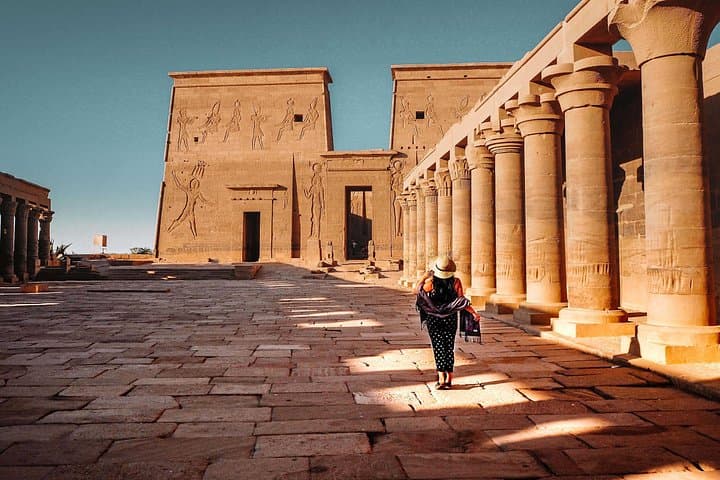
Philae was a major cult center for Isis; its reliefs and pylons date to the Ptolemaic and Roman periods. When the Aswan High Dam threatened to drown the original island, an international relocation effort in the 1960s–70s moved the temple block-by-block to higher ground on Agilkia Island — an engineering chapter as compelling as the carvings themselves. The Nile here cuts through granite bedrock, guiding settlements and trade for millennia and shaping local building material and craft traditions.
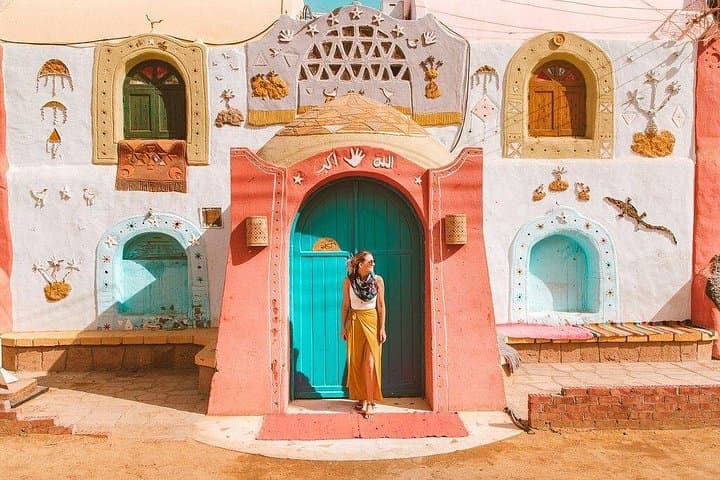
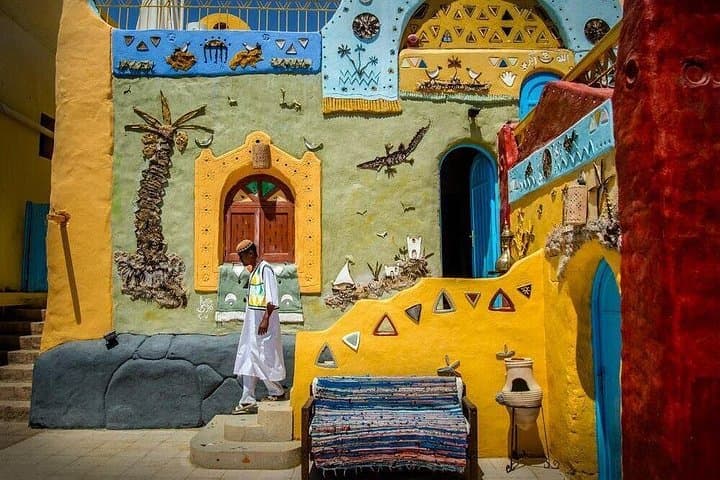
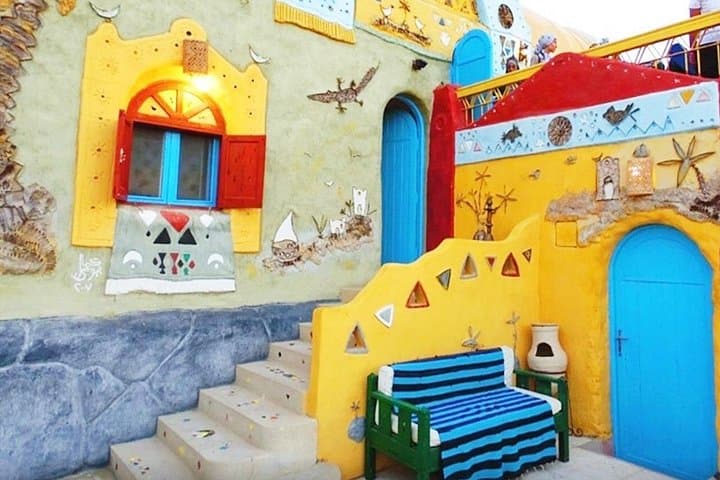
The Nubian village opposite Soheil Island offers a close-up of living tradition: painted houses, woven textiles, and family-run workshops where you can learn about local dyes and pottery. Conversations with residents and a stroll under palm canopy reveal daily rhythms shaped by river seasons and shade.
Practicalities: the private tour typically lasts 5–6 hours with hotel pickup and drop-off in Aswan; entrance fees and motorboat fare are included. Mornings provide the best light and cooler temperatures for exploring temple reliefs and climbing stone steps, while afternoons can be hot. Bring sun protection, a refillable water bottle, comfortable shoes for uneven stone, small cash for local purchases, and a respectful attitude when photographing residents. Guides often speak multiple languages and the itinerary is wheelchair-accessible with advance notice.
Yes—this tour specifies entrance fees to the temple are included in the price.
The ride from the Aswan shore to the village opposite Soheil Island is short—typically under 30 minutes each way depending on boarding location and river conditions.
The tour lists wheelchair accessibility; confirm pickup logistics and any special assistance needs when booking so the guide can prepare appropriate transfer arrangements.
Small vendors in Nubian villages often accept cash only; carry small Egyptian pounds for crafts, tea, and tips.
Hola Egipto operates guided outdoor trips and adventures with an emphasis on safety, stewardship, and memorable experiences.
A wakeful wind off the Nile lifts dust from the quay as your motorboat slips from Aswan’s shore. Palm fronds blur past, the engine’s steady pulse matching the river’s slow push; ahead, Philae’s stone colonnades rise like an ancient stage set on an island, and beyond them the painted houses of a Nubian village press bright against the green of date palms.
A wakeful wind off the Nile lifts dust from the quay as your motorboat slips from Aswan’s shore. Palm fronds blur past, the engine’s steady pulse matching the river’s slow push; ahead, Philae’s stone colonnades rise like an ancient stage set on an island, and beyond them the painted houses of a Nubian village press bright against the green of date palms.
Philae was a major cult center for Isis; its reliefs and pylons date to the Ptolemaic and Roman periods. When the Aswan High Dam threatened to drown the original island, an international relocation effort in the 1960s–70s moved the temple block-by-block to higher ground on Agilkia Island — an engineering chapter as compelling as the carvings themselves. The Nile here cuts through granite bedrock, guiding settlements and trade for millennia and shaping local building material and craft traditions.
The Nubian village opposite Soheil Island offers a close-up of living tradition: painted houses, woven textiles, and family-run workshops where you can learn about local dyes and pottery. Conversations with residents and a stroll under palm canopy reveal daily rhythms shaped by river seasons and shade.
Practicalities: the private tour typically lasts 5–6 hours with hotel pickup and drop-off in Aswan; entrance fees and motorboat fare are included. Mornings provide the best light and cooler temperatures for exploring temple reliefs and climbing stone steps, while afternoons can be hot. Bring sun protection, a refillable water bottle, comfortable shoes for uneven stone, small cash for local purchases, and a respectful attitude when photographing residents. Guides often speak multiple languages and the itinerary is wheelchair-accessible with advance notice.