THE ADVENTURE COLLECTIVE® · Independent discovery and booking for outdoor travel

See Aswan’s arc of history in a half‑day private tour: the towering High Dam, the raw Unfinished Obelisk quarry, and the river‑bound Philae Temple. This concise outing pairs informed guiding with easy walking and short boat transfers—ideal for culturally curious travelers.
See Aswan’s arc of history in a half‑day private tour: the towering High Dam, the raw Unfinished Obelisk quarry, and the river‑bound Philae Temple. This concise outing pairs informed guiding with easy walking and short boat transfers—ideal for culturally curious travelers.
Morning light slides across the Nile as your guide collects you from Aswan—air conditioning hums, the city recedes, and the river draws you toward islands of history. In a single day this private tour moves from 20th‑century engineering to first‑millennium spirituality and back to the stonework of pharaonic ambition.
Verified experiences and guided adventures in the surrounding area.
Operated by Camel Ride at Giza Pyramids · Aswan, Aswan Governorate
Morning light slides across the Nile as your guide collects you from Aswan—air conditioning hums, the city recedes, and the river draws you toward islands of history. In a single day this private tour moves from 20th‑century engineering to first‑millennium spirituality and back to the stonework of pharaonic ambition.
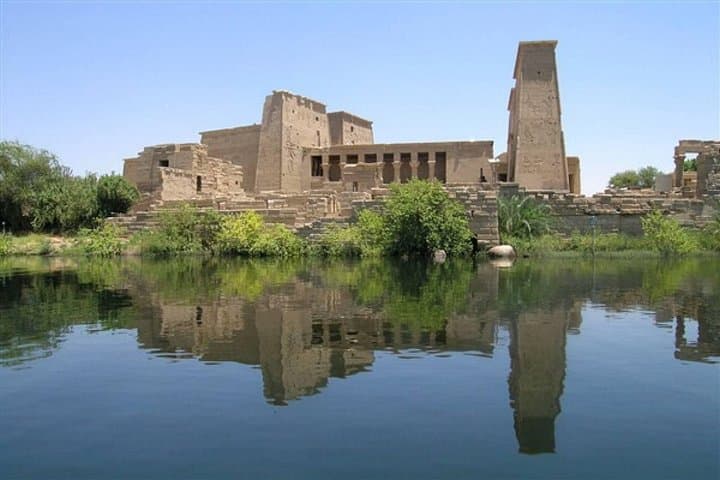
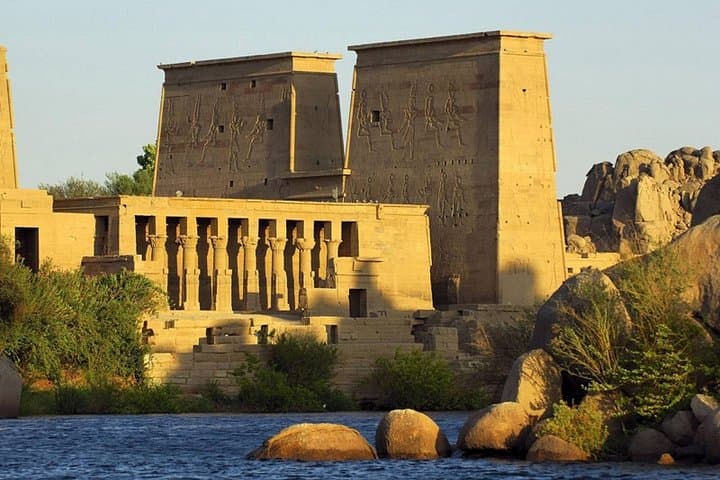
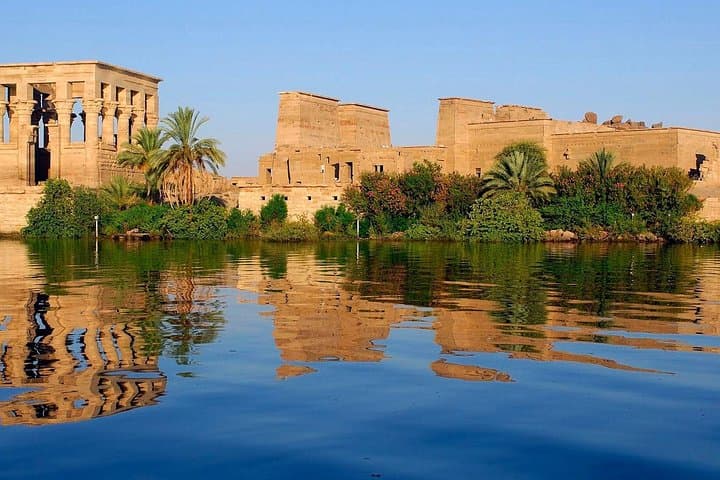
Start at the Aswan High Dam, a hard‑edged silhouette against the river where modern hydrology tamed annual floods and reshaped Egypt’s agricultural map. Then the quarry at the Unfinished Obelisk reveals raw craft: an enormous monument abandoned in situ, its chisel marks and cracked base explaining both technique and hubris. Finally, a short boat ride delivers you to Philae (now on Agilkia Island), where the temple of Isis rises from papyrus‑lined waters—relocated stone by stone during the High Dam’s construction, its reliefs still speaking of pilgrimage, ritual, and the Nile’s central role in belief.
Geology and history intersect: granite quarries at Aswan provided durable stone for obelisks; the river’s current once dictated temple alignments and festival schedules. Cultural notes: expect guides to explain Isis’s cult, Hatshepsut’s projects, and modern Nile politics in clear, contextual terms.
Practical guidance: the day involves short walks on paved and uneven surfaces, light boat transfers, and exposed sun—carry water, sun protection, and modest clothing. Photography rules vary at temple sites; bring small change for local tips and market purchases. With focused timing, this four‑hour private circuit delivers concentrated archaeology, engineering, and riverside atmosphere in one accessible outing.
Some basic entrance fees are typically included, but certain options or areas may require additional tickets—confirm with the operator when booking.
Yes; operators commonly pick up from hotels or Nile cruise boats in Aswan—provide your dock or ship details at booking.
Yes; expect short walks on uneven ground and at least one short boat transfer to reach Philae/Agilkia Island.
October through April offers milder temperatures and more comfortable sightseeing; summer is very hot and requires extra sun protection.
Camel Ride at Giza Pyramids operates guided outdoor trips and adventures with an emphasis on safety, stewardship, and memorable experiences.
Morning light slides across the Nile as your guide collects you from Aswan—air conditioning hums, the city recedes, and the river draws you toward islands of history. In a single day this private tour moves from 20th‑century engineering to first‑millennium spirituality and back to the stonework of pharaonic ambition.
Morning light slides across the Nile as your guide collects you from Aswan—air conditioning hums, the city recedes, and the river draws you toward islands of history. In a single day this private tour moves from 20th‑century engineering to first‑millennium spirituality and back to the stonework of pharaonic ambition.
Start at the Aswan High Dam, a hard‑edged silhouette against the river where modern hydrology tamed annual floods and reshaped Egypt’s agricultural map. Then the quarry at the Unfinished Obelisk reveals raw craft: an enormous monument abandoned in situ, its chisel marks and cracked base explaining both technique and hubris. Finally, a short boat ride delivers you to Philae (now on Agilkia Island), where the temple of Isis rises from papyrus‑lined waters—relocated stone by stone during the High Dam’s construction, its reliefs still speaking of pilgrimage, ritual, and the Nile’s central role in belief.
Geology and history intersect: granite quarries at Aswan provided durable stone for obelisks; the river’s current once dictated temple alignments and festival schedules. Cultural notes: expect guides to explain Isis’s cult, Hatshepsut’s projects, and modern Nile politics in clear, contextual terms.
Practical guidance: the day involves short walks on paved and uneven surfaces, light boat transfers, and exposed sun—carry water, sun protection, and modest clothing. Photography rules vary at temple sites; bring small change for local tips and market purchases. With focused timing, this four‑hour private circuit delivers concentrated archaeology, engineering, and riverside atmosphere in one accessible outing.