THE ADVENTURE COLLECTIVE® · Independent discovery and booking for outdoor travel

Explore Aswan’s High Dam, Philae Temple and a Nubian village before an early-morning drive to the relocated Abu Simbel temples. This two-day private tour combines engineering, ancient stonework and local culture with hands-on guidance.
Explore Aswan’s High Dam, Philae Temple and a Nubian village before an early-morning drive to the relocated Abu Simbel temples. This two-day private tour combines engineering, ancient stonework and local culture with hands-on guidance.
Morning light slices across the Nile as your vehicle eases out of Aswan, the river pulling you along with its slow, steady current.
Verified experiences and guided adventures in the surrounding area.
Operated by CRUISE ERA · Aswan, Aswan Governorate
Morning light slices across the Nile as your vehicle eases out of Aswan, the river pulling you along with its slow, steady current.
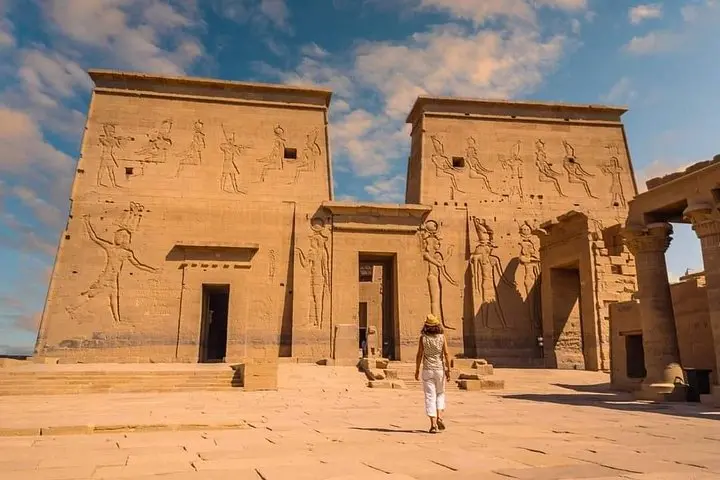
This two-day itinerary pairs modern engineering with millennia-old stone: the Aswan High Dam’s concrete sweep changes the river’s rhythm, while the Unfinished Obelisk reveals ancient quarrying etched into pink granite. Philae Temple rises from its island like a recovered relic—its pylons and reliefs recalling the goddess Isis and the ebb of temple-building eras.
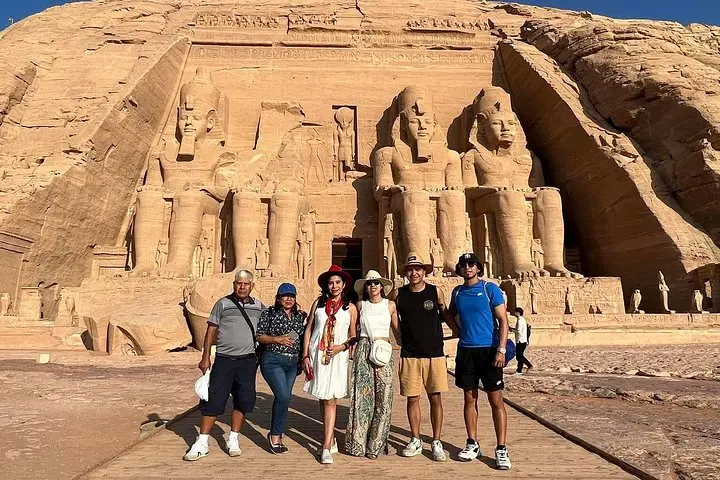
On day one you’ll move between sites and a Nubian village where painted houses and riverside cafés speak to a living culture shaped by water and sun. Expect close-up lessons in craft, hospitality, and local life. Day two is a desert drive to Abu Simbel—Ramses II’s colossal faces dominate the horizon—and a UNESCO rescue story: the entire complex was cut from its original site and moved to higher ground in the 1960s to save it from flooding.
Geology here is visible: granite quarries in Aswan, sandstone tablelands on the route, and the hard rock that made these monuments endure. Culturally, the region balances Pharaonic legacy with Nubian traditions and modern Egyptian infrastructure.
Practical notes: start early for Abu Simbel, bring sun protection, and carry photocopies of travel documents. Walking is mostly flat but includes steps inside temples; comfortable shoes and a reusable water bottle make the day smoother. Guided entrance fees and bottled water are included—plan for short drives, bright sun, and unforgettable stonework.
Yes—entry fees to the listed historical sites are included in the tour price.
Yes—private air-conditioned transportation is provided for transfers and the desert drive.
Many components are wheelchair accessible (transport and some sites); check with the operator about specific access at each temple.
Yes—there is scheduled free time after check-in on day one to walk Aswan’s corniche or visit local markets.
CRUISE ERA operates guided outdoor trips and adventures with an emphasis on safety, stewardship, and memorable experiences.
Morning light slices across the Nile as your vehicle eases out of Aswan, the river pulling you along with its slow, steady current.
Morning light slices across the Nile as your vehicle eases out of Aswan, the river pulling you along with its slow, steady current.
This two-day itinerary pairs modern engineering with millennia-old stone: the Aswan High Dam’s concrete sweep changes the river’s rhythm, while the Unfinished Obelisk reveals ancient quarrying etched into pink granite. Philae Temple rises from its island like a recovered relic—its pylons and reliefs recalling the goddess Isis and the ebb of temple-building eras.
On day one you’ll move between sites and a Nubian village where painted houses and riverside cafés speak to a living culture shaped by water and sun. Expect close-up lessons in craft, hospitality, and local life. Day two is a desert drive to Abu Simbel—Ramses II’s colossal faces dominate the horizon—and a UNESCO rescue story: the entire complex was cut from its original site and moved to higher ground in the 1960s to save it from flooding.
Geology here is visible: granite quarries in Aswan, sandstone tablelands on the route, and the hard rock that made these monuments endure. Culturally, the region balances Pharaonic legacy with Nubian traditions and modern Egyptian infrastructure.
Practical notes: start early for Abu Simbel, bring sun protection, and carry photocopies of travel documents. Walking is mostly flat but includes steps inside temples; comfortable shoes and a reusable water bottle make the day smoother. Guided entrance fees and bottled water are included—plan for short drives, bright sun, and unforgettable stonework.