THE ADVENTURE COLLECTIVE® · Independent discovery and booking for outdoor travel

Sail from Aswan down the Nile to Abu Simbel on a four-night luxury cruise that pairs sundeck relaxation with guided visits to Philae, Kalabsha, Wadi el-Seboua, Amada and the monumental Abu Simbel temples. Expect warm days, uneven temple steps, and rich Nubian cultural encounters.
Sail from Aswan down the Nile to Abu Simbel on a four-night luxury cruise that pairs sundeck relaxation with guided visits to Philae, Kalabsha, Wadi el-Seboua, Amada and the monumental Abu Simbel temples. Expect warm days, uneven temple steps, and rich Nubian cultural encounters.
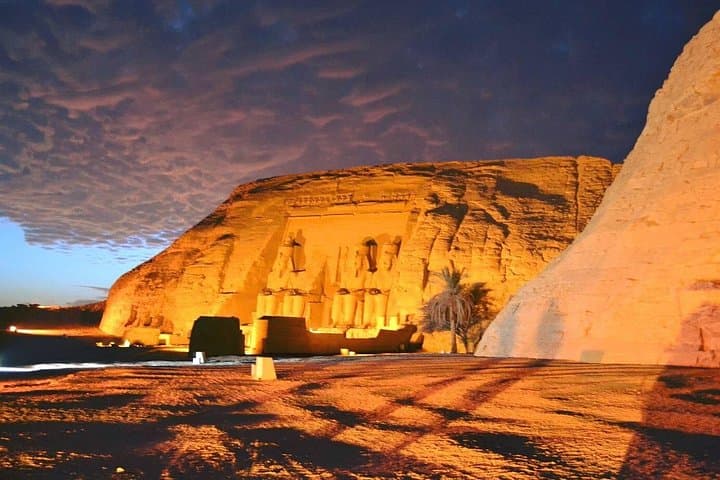
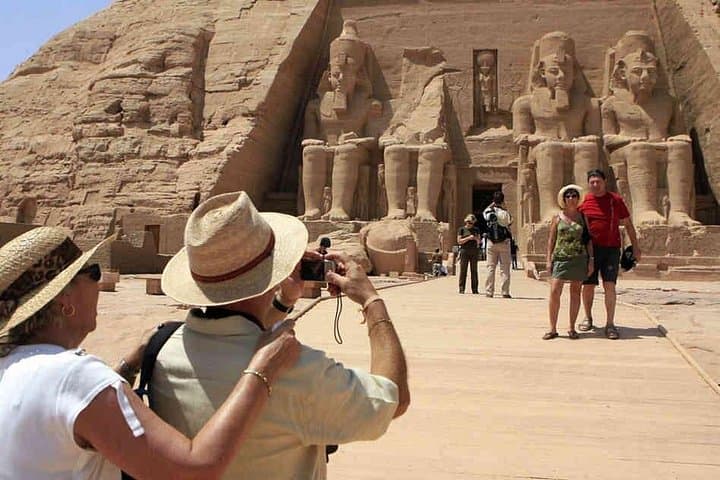
You step onto the sundeck as the Nile narrows, heat lifting off the black water while the desert pushes close on both banks. The cruise hums forward—white wake cutting across reflections of cliffs—and by morning the colossal faces of Abu Simbel rise from the horizon, their carved eyes measuring your approach.
Verified experiences and guided adventures in the surrounding area.
Operated by Nile Prince Travel · Aswan, Aswan Governorate
You step onto the sundeck as the Nile narrows, heat lifting off the black water while the desert pushes close on both banks. The cruise hums forward—white wake cutting across reflections of cliffs—and by morning the colossal faces of Abu Simbel rise from the horizon, their carved eyes measuring your approach.
This itinerary threads classic Lower Nubia sites: Philae’s island temples relocated when the Aswan High Dam reshaped the river, the sandstone reliefs of Wadi el-Seboua and Amada, and Kasr Ibrim’s ruin silhouette. Geology here is simple and stark—Pleistocene sandstone and wind-polished desert framing millennia-old stonework. Culturally, southern Egypt carries strong Nubian traditions; crew and guides commonly share music, food, and local stories that contrast the Pharaonic monuments tourists come for.
Practically, expect guided shore excursions each day with short drives and moderate walking over uneven temple steps and temple courtyards. Boarding is in Aswan; accommodations are full-board on a deluxe Nile vessel with transfers included. Temperatures swing—baked afternoons and cool sundeck mornings—so plan for sun protection, steady hydration, and light layers. Photography windows are early morning or late afternoon when façades glow and tour groups are smaller.
Bring small, local currency for market stalls and tipping, and be ready for stairs and low lighting in older temple interiors. The trip balances slow river travel with concentrated cultural exploration—an intimate way to see Egypt’s southern monuments while moving through the landscape that made them possible.
Most nationalities require a tourist visa to enter Egypt—check current embassy requirements and secure a visa before travel or on arrival where applicable.
This tour advertises entrance fees included in the itinerary; confirm specifics at booking and keep some local cash for optional extras like the Sound & Light show.
The provider lists wheelchair-accessible transport and areas, but many temple sites involve steps and uneven ground; travelers with mobility limitations should notify the operator in advance.
October through April offers milder daytime temperatures and more comfortable sightseeing; summer months are very hot and require extra sun precautions.
Nile Prince Travel operates guided outdoor trips and adventures with an emphasis on safety, stewardship, and memorable experiences.


You step onto the sundeck as the Nile narrows, heat lifting off the black water while the desert pushes close on both banks. The cruise hums forward—white wake cutting across reflections of cliffs—and by morning the colossal faces of Abu Simbel rise from the horizon, their carved eyes measuring your approach.
You step onto the sundeck as the Nile narrows, heat lifting off the black water while the desert pushes close on both banks. The cruise hums forward—white wake cutting across reflections of cliffs—and by morning the colossal faces of Abu Simbel rise from the horizon, their carved eyes measuring your approach.
This itinerary threads classic Lower Nubia sites: Philae’s island temples relocated when the Aswan High Dam reshaped the river, the sandstone reliefs of Wadi el-Seboua and Amada, and Kasr Ibrim’s ruin silhouette. Geology here is simple and stark—Pleistocene sandstone and wind-polished desert framing millennia-old stonework. Culturally, southern Egypt carries strong Nubian traditions; crew and guides commonly share music, food, and local stories that contrast the Pharaonic monuments tourists come for.
Practically, expect guided shore excursions each day with short drives and moderate walking over uneven temple steps and temple courtyards. Boarding is in Aswan; accommodations are full-board on a deluxe Nile vessel with transfers included. Temperatures swing—baked afternoons and cool sundeck mornings—so plan for sun protection, steady hydration, and light layers. Photography windows are early morning or late afternoon when façades glow and tour groups are smaller.
Bring small, local currency for market stalls and tipping, and be ready for stairs and low lighting in older temple interiors. The trip balances slow river travel with concentrated cultural exploration—an intimate way to see Egypt’s southern monuments while moving through the landscape that made them possible.