THE ADVENTURE COLLECTIVE® · Independent discovery and booking for outdoor travel

Take a morning train from Aswan to Kom Ombo and spend the day exploring a rare double temple dedicated to Horus and Sobek. This guided, 6-hour excursion pairs easy walking with rich archaeological storytelling and included transfers.
Take a morning train from Aswan to Kom Ombo and spend the day exploring a rare double temple dedicated to Horus and Sobek. This guided, 6-hour excursion pairs easy walking with rich archaeological storytelling and included transfers.
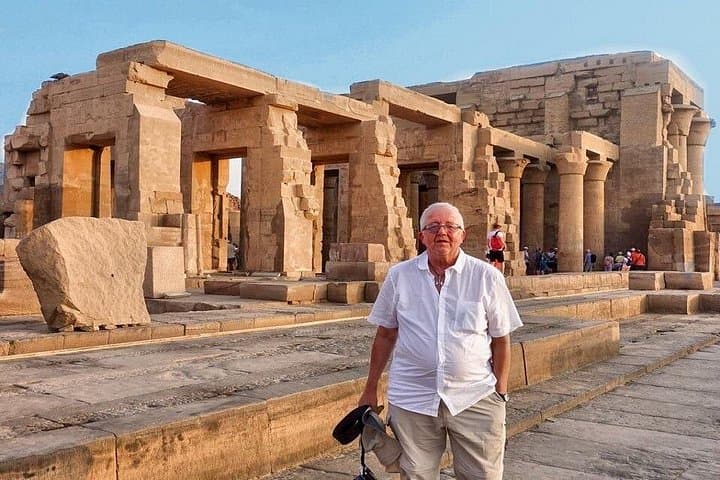
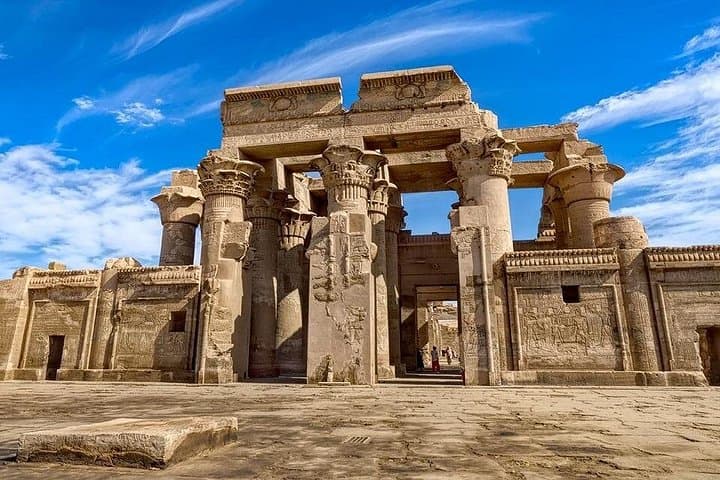
Dawn arrives in Aswan with the river still glass-smooth and the station busy with travelers and vendors. A short train ride east threads between palm groves and strips of cultivated land, the Nile daring you to look away as the line of low hills slides past. On arrival, the Kom Ombo temple rises from the floodplain—twin sanctuaries carved in ashlar stone, their reliefs catching the morning light.
Verified experiences and guided adventures in the surrounding area.
Operated by Sure Egypt · Kom Ombo, Aswan Governorate
Dawn arrives in Aswan with the river still glass-smooth and the station busy with travelers and vendors. A short train ride east threads between palm groves and strips of cultivated land, the Nile daring you to look away as the line of low hills slides past. On arrival, the Kom Ombo temple rises from the floodplain—twin sanctuaries carved in ashlar stone, their reliefs catching the morning light.
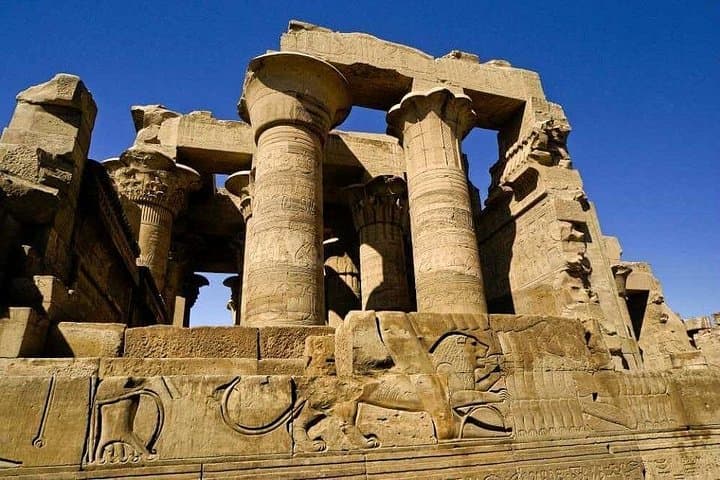
The temple dates mainly to the Ptolemaic and Roman periods and was deliberately built as a double shrine to Horus the falcon and Sobek the crocodile-god. Its walls record medical scenes, offerings and boat processions, offering a clear window into ancient cult life and Nile-based economy. Geologically, the site sits on alluvial terraces deposited by millennia of floods; the stones themselves were quarried locally and show the wear of desert wind and seasonal humidity.
Local culture still orients around the river: fishermen mend nets nearby, and small markets sell tamarind and fresh bread. Visitors will also notice the Crocodile Museum’s mummified specimens and the riverside viewpoint where feluccas drift like slow decisions.
Practically, expect a mostly low-impact day: the trip includes train tickets, guide, bottled water and an air-conditioned car for transfers. Wear sturdy walking shoes for uneven stone, a sun hat, and bring extra water in summer. Photography is allowed but avoid touching carved reliefs; follow your guide’s path. Trains and short walks make this a manageable cultural excursion for most travelers comfortable with brief periods of standing and uneven surfaces.
The intercity train takes roughly 30–45 minutes each way depending on the service; the full experience with transfers is about six hours.
This tour lists admission as not applicable in the itinerary—confirm with your operator whether site entry fees are included or paid on arrival.
Yes—infants and small children can be accommodated; parts of the temple approach are stroller-accessible but expect uneven stone at the ruins.
Photography is generally permitted; avoid using tripods in crowded spots and do not touch or lean on carved reliefs when composing shots.
Sure Egypt operates guided outdoor trips and adventures with an emphasis on safety, stewardship, and memorable experiences.
Dawn arrives in Aswan with the river still glass-smooth and the station busy with travelers and vendors. A short train ride east threads between palm groves and strips of cultivated land, the Nile daring you to look away as the line of low hills slides past. On arrival, the Kom Ombo temple rises from the floodplain—twin sanctuaries carved in ashlar stone, their reliefs catching the morning light.
Dawn arrives in Aswan with the river still glass-smooth and the station busy with travelers and vendors. A short train ride east threads between palm groves and strips of cultivated land, the Nile daring you to look away as the line of low hills slides past. On arrival, the Kom Ombo temple rises from the floodplain—twin sanctuaries carved in ashlar stone, their reliefs catching the morning light.
The temple dates mainly to the Ptolemaic and Roman periods and was deliberately built as a double shrine to Horus the falcon and Sobek the crocodile-god. Its walls record medical scenes, offerings and boat processions, offering a clear window into ancient cult life and Nile-based economy. Geologically, the site sits on alluvial terraces deposited by millennia of floods; the stones themselves were quarried locally and show the wear of desert wind and seasonal humidity.
Local culture still orients around the river: fishermen mend nets nearby, and small markets sell tamarind and fresh bread. Visitors will also notice the Crocodile Museum’s mummified specimens and the riverside viewpoint where feluccas drift like slow decisions.
Practically, expect a mostly low-impact day: the trip includes train tickets, guide, bottled water and an air-conditioned car for transfers. Wear sturdy walking shoes for uneven stone, a sun hat, and bring extra water in summer. Photography is allowed but avoid touching carved reliefs; follow your guide’s path. Trains and short walks make this a manageable cultural excursion for most travelers comfortable with brief periods of standing and uneven surfaces.