THE ADVENTURE COLLECTIVE® · Independent discovery and booking for outdoor travel

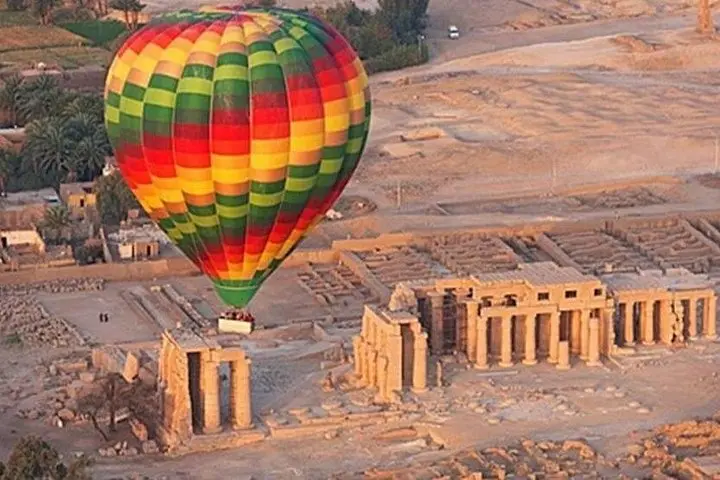
Glide between Aswan and Luxor on a two-night Nile cruise that pairs classic temple visits with an early-morning hot-air balloon over the West Bank. This itinerary combines river sailing, guided archaeology, and quiet desert-and-river landscapes into a compact cultural adventure.
Glide between Aswan and Luxor on a two-night Nile cruise that pairs classic temple visits with an early-morning hot-air balloon over the West Bank. This itinerary combines river sailing, guided archaeology, and quiet desert-and-river landscapes into a compact cultural adventure.
Dawn washes the Nile in soft gold as the dahabiya slips from Aswan’s quay, reeds whispering at the waterline and sandstone cliffs pushing the horizon back. On this two-night sail you’ll trade the city’s bustle for river rhythm—sunset over Kom Ombo, the slow wake past Edfu, and the papyrus-lined banks that have fed civilizations for millennia.
Verified experiences and guided adventures in the surrounding area.
Operated by Nile Prince Travel · Luxor, Luxor Governorate
Dawn washes the Nile in soft gold as the dahabiya slips from Aswan’s quay, reeds whispering at the waterline and sandstone cliffs pushing the horizon back. On this two-night sail you’ll trade the city’s bustle for river rhythm—sunset over Kom Ombo, the slow wake past Edfu, and the papyrus-lined banks that have fed civilizations for millennia.
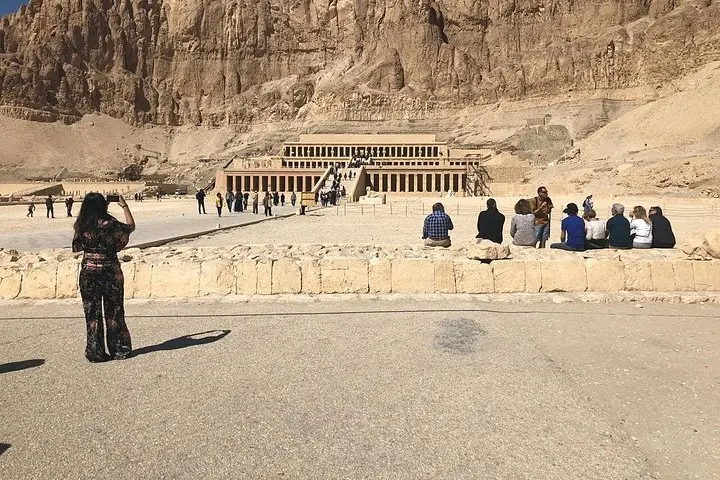
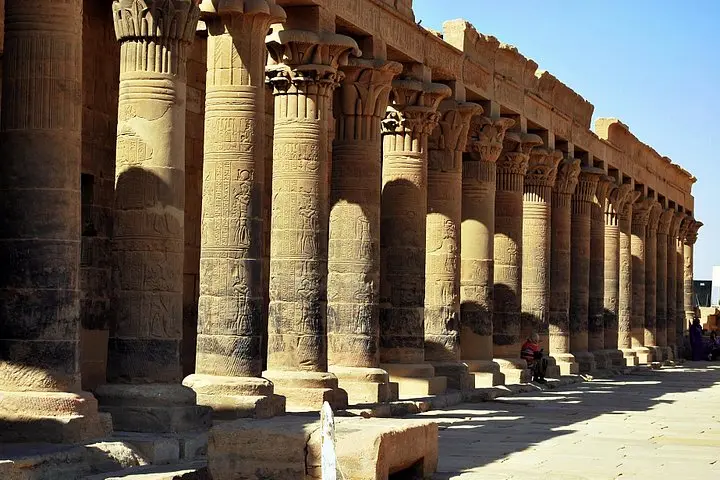
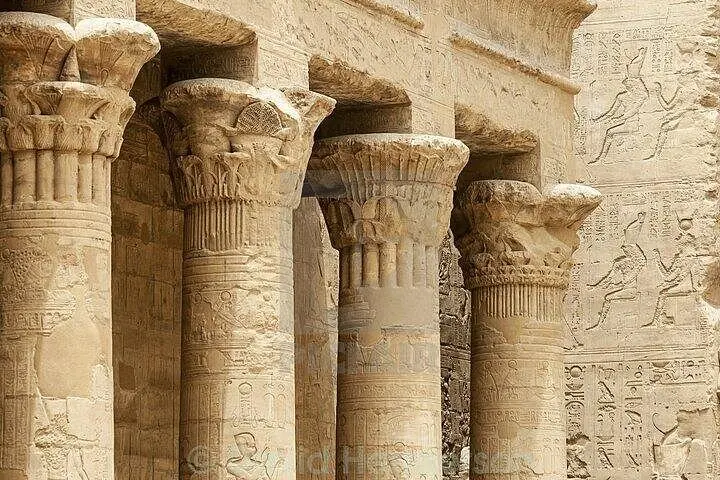
This route traces the heart of ancient Thebes: temples of Karnak and Luxor on the east bank, the mortuary terraces of Hatshepsut, and the tomb-strewn amphitheater of the Valley of the Kings on the west. Geologically the river cuts a ribbon through Nubian sandstone and alluvial floodplain—fertile strips beside rising desert scarps—shaping settlements and sacred sites for 3,000+ years. Local life still orients around the Nile; feluccas, farmers, and small river villages give the journey a living context beyond the ruins.
Practically, the trip stitches together flights from Cairo with cruise cabins, guided temple stops, and an early-morning hot-air balloon over Luxor’s West Bank. Expect early pick-ups before sunrise for the balloon, uneven stone steps at ancient sites, and limited shade between monuments. Carry your passport for ticket checks, small bills and cash for tips and market purchases, and a hat and high-SPF sunscreen for midday heat.
Timing your visit in cooler months improves balloon windows and walking comfort. Move deliberately through the sites—this is a trip of slow revelation, where the river insists you slow down and the past keeps pace with each bend.
Yes — the itinerary includes a scheduled hot-air balloon flight over Luxor on day three, typically arranged by the operator with early-morning transfers.
Meals listed in the itinerary include multiple breakfasts, lunches and dinners served on board or during excursions as specified in the trip inclusions.
Visa requirements depend on your nationality—many visitors obtain visas on arrival or e-visa before travel; check your embassy for current rules.
The operator lists wheelchair-accessible options for transport and some areas, but ancient sites have uneven surfaces and stairs—check in advance for specific accessibility needs.
Nile Prince Travel operates guided outdoor trips and adventures with an emphasis on safety, stewardship, and memorable experiences.
Dawn washes the Nile in soft gold as the dahabiya slips from Aswan’s quay, reeds whispering at the waterline and sandstone cliffs pushing the horizon back. On this two-night sail you’ll trade the city’s bustle for river rhythm—sunset over Kom Ombo, the slow wake past Edfu, and the papyrus-lined banks that have fed civilizations for millennia.
Dawn washes the Nile in soft gold as the dahabiya slips from Aswan’s quay, reeds whispering at the waterline and sandstone cliffs pushing the horizon back. On this two-night sail you’ll trade the city’s bustle for river rhythm—sunset over Kom Ombo, the slow wake past Edfu, and the papyrus-lined banks that have fed civilizations for millennia.
This route traces the heart of ancient Thebes: temples of Karnak and Luxor on the east bank, the mortuary terraces of Hatshepsut, and the tomb-strewn amphitheater of the Valley of the Kings on the west. Geologically the river cuts a ribbon through Nubian sandstone and alluvial floodplain—fertile strips beside rising desert scarps—shaping settlements and sacred sites for 3,000+ years. Local life still orients around the Nile; feluccas, farmers, and small river villages give the journey a living context beyond the ruins.
Practically, the trip stitches together flights from Cairo with cruise cabins, guided temple stops, and an early-morning hot-air balloon over Luxor’s West Bank. Expect early pick-ups before sunrise for the balloon, uneven stone steps at ancient sites, and limited shade between monuments. Carry your passport for ticket checks, small bills and cash for tips and market purchases, and a hat and high-SPF sunscreen for midday heat.
Timing your visit in cooler months improves balloon windows and walking comfort. Move deliberately through the sites—this is a trip of slow revelation, where the river insists you slow down and the past keeps pace with each bend.