THE ADVENTURE COLLECTIVE® · Independent discovery and booking for outdoor travel

Float between Aswan and Luxor on a two-night Nile cruise, visit Kom Ombo, Edfu and Luxor’s great temples, then rise at dawn in a hot-air balloon above the Valley of the Kings. This practical guide covers what to expect and how to prepare.
Float between Aswan and Luxor on a two-night Nile cruise, visit Kom Ombo, Edfu and Luxor’s great temples, then rise at dawn in a hot-air balloon above the Valley of the Kings. This practical guide covers what to expect and how to prepare.
Dawn breaks over still water and the Nile answers with a quiet current that seems to push the boat forward. You board in Aswan after a short flight from Cairo, settle into a cabin with basic facilities and watch village life—donkeys, fishermen, mud-brick houses—slide past as the ship makes its slow, deliberate way north toward Luxor.
Verified experiences and guided adventures in the surrounding area.
Operated by Book Your Tours · Luxor, Luxor Governorate
Dawn breaks over still water and the Nile answers with a quiet current that seems to push the boat forward. You board in Aswan after a short flight from Cairo, settle into a cabin with basic facilities and watch village life—donkeys, fishermen, mud-brick houses—slide past as the ship makes its slow, deliberate way north toward Luxor.
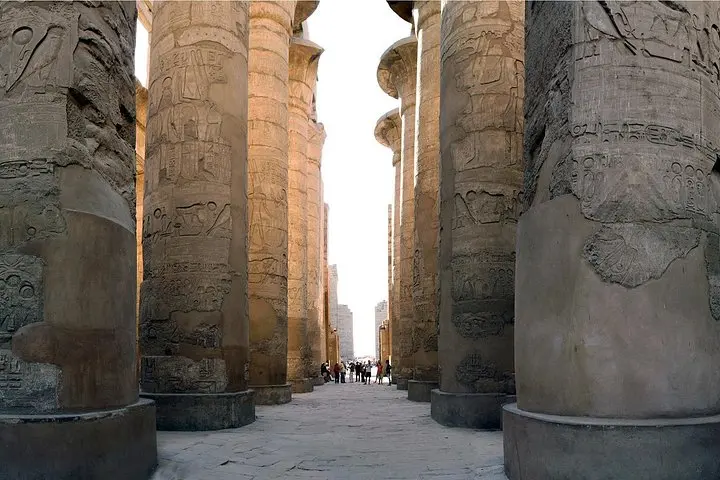
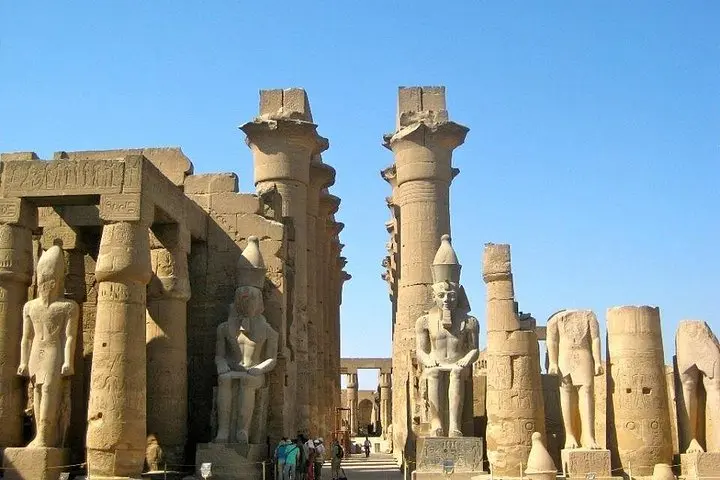
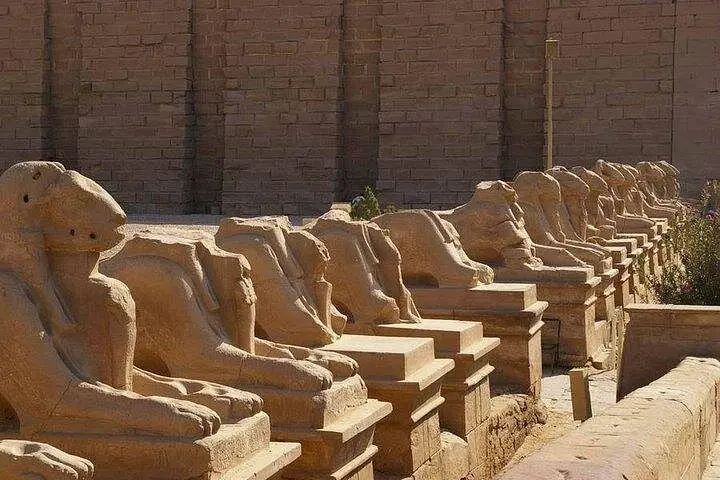
This corridor of the Nile is layered history: granite quarries of the south, Ptolemaic and New Kingdom monuments, and temples built on high river bluffs. Kom Ombo’s dual sanctuaries honor both the falcon and crocodile gods; Edfu’s Horus temple is among the best-preserved cult sites; Luxor and Karnak unfold on the east bank like chapters in stone; the Valley of the Kings hides tombs cut into desert limestone on the west bank. Geologically the river has carved a thin, fertile ribbon through desert plateaus, concentrating settlements and sacred architecture along its bends.
Practically, this is a 2-night, 3-day trip combining short domestic flights, roughly 200–250 km of river sailing, guided temple visits, and a sunrise hot-air balloon over the West Bank (balloon flight ~45–60 minutes). Cabins, meals (included breakfasts, lunches, dinners as noted), local Egyptologist-guided tours and modest onboard Wi‑Fi are typical. Expect uneven steps at ruins, midday heat, and early mornings for the balloon. Bring sun protection, comfortable closed shoes, a light layer for mornings, and a camera with spare batteries. Timing your visits to avoid the hottest hours and following your guide’s lead will make the experience smoother—and more memorable.
Domestic carriers often have stricter baggage allowances than international flights; check your provider and pack to cabin limits when possible to avoid fees.
Operators set age and weight limits—children and those with mobility issues should confirm restrictions ahead of booking and follow crew instructions during boarding and landing.
The itinerary lists many inclusions (meals, selected site visits), but expect to pay local entrance fees not specified, and tipping for guides, drivers and crew is customary.
The listing notes wheelchair-accessible transport and surfaces, but ancient sites often have steps and uneven ground; contact the operator in advance to confirm specific accessibility needs.
Book Your Tours operates guided outdoor trips and adventures with an emphasis on safety, stewardship, and memorable experiences.
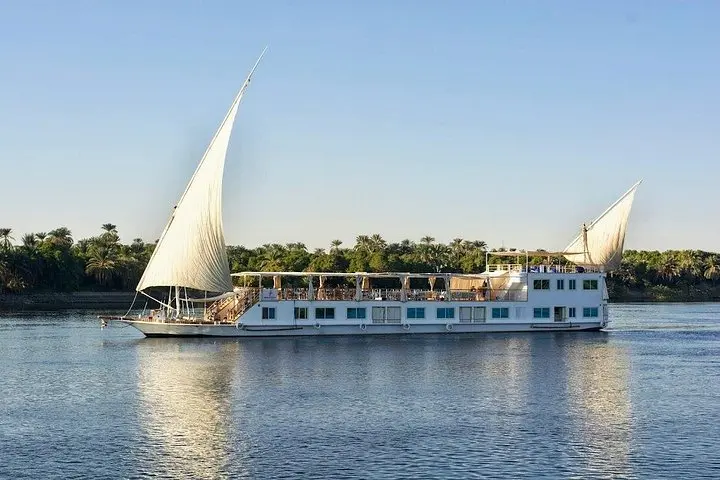
Dawn breaks over still water and the Nile answers with a quiet current that seems to push the boat forward. You board in Aswan after a short flight from Cairo, settle into a cabin with basic facilities and watch village life—donkeys, fishermen, mud-brick houses—slide past as the ship makes its slow, deliberate way north toward Luxor.
Dawn breaks over still water and the Nile answers with a quiet current that seems to push the boat forward. You board in Aswan after a short flight from Cairo, settle into a cabin with basic facilities and watch village life—donkeys, fishermen, mud-brick houses—slide past as the ship makes its slow, deliberate way north toward Luxor.
This corridor of the Nile is layered history: granite quarries of the south, Ptolemaic and New Kingdom monuments, and temples built on high river bluffs. Kom Ombo’s dual sanctuaries honor both the falcon and crocodile gods; Edfu’s Horus temple is among the best-preserved cult sites; Luxor and Karnak unfold on the east bank like chapters in stone; the Valley of the Kings hides tombs cut into desert limestone on the west bank. Geologically the river has carved a thin, fertile ribbon through desert plateaus, concentrating settlements and sacred architecture along its bends.
Practically, this is a 2-night, 3-day trip combining short domestic flights, roughly 200–250 km of river sailing, guided temple visits, and a sunrise hot-air balloon over the West Bank (balloon flight ~45–60 minutes). Cabins, meals (included breakfasts, lunches, dinners as noted), local Egyptologist-guided tours and modest onboard Wi‑Fi are typical. Expect uneven steps at ruins, midday heat, and early mornings for the balloon. Bring sun protection, comfortable closed shoes, a light layer for mornings, and a camera with spare batteries. Timing your visits to avoid the hottest hours and following your guide’s lead will make the experience smoother—and more memorable.