THE ADVENTURE COLLECTIVE® · Independent discovery and booking for outdoor travel

Trade road dust for river air on a 2-night Aswan–Luxor cruise that stops at Kom Ombo and Edfu. Relax on deck, visit two major temples, and arrive in Luxor ready to continue exploring ancient Egypt.
Trade road dust for river air on a 2-night Aswan–Luxor cruise that stops at Kom Ombo and Edfu. Relax on deck, visit two major temples, and arrive in Luxor ready to continue exploring ancient Egypt.
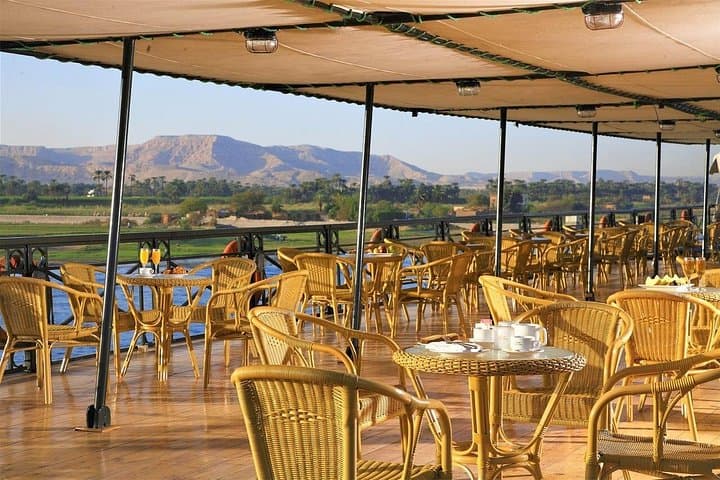
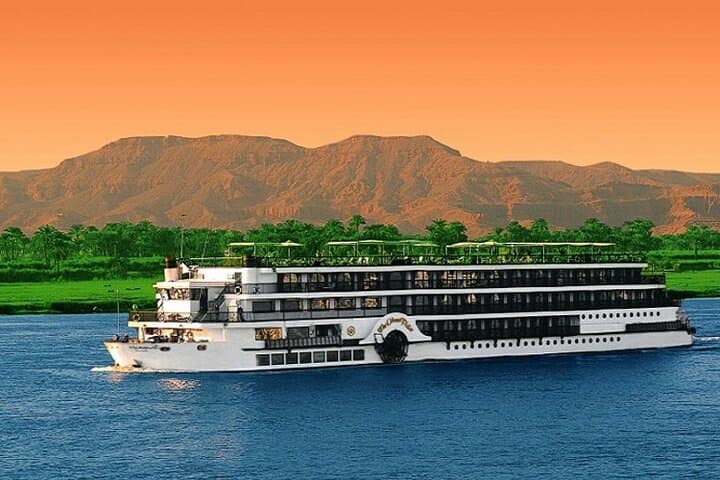
You step onto the sun-warmed teak of a five-star dahabiya as the Nile slips past Aswan’s islands, the river nudging the hull forward with a steady, patient rhythm.
Verified experiences and guided adventures in the surrounding area.
Operated by Special trips · Aswan, Aswan Governorate
You step onto the sun-warmed teak of a five-star dahabiya as the Nile slips past Aswan’s islands, the river nudging the hull forward with a steady, patient rhythm.
On day one the ship threads channels rimmed with low, fertile banks and scattered Nubian settlements; the captain—often in traditional galabeya—navigates between motorboats and feluccas while the deck hums with conversation and the faint clink of tea glasses.
Geology here is plain and ancient: the Nile’s alluvial ribbon carves a green corridor through Precambrian granite that gives way to thick, silty floodplain soil. Culturally, these banks are living history—farmers, fishermen and temple towns that fed pharaonic Egypt.
The itinerary centers on classical Egyptology: a sunset stop at Kom Ombo (the unusual twin temple of Sobek and Horus), a dawn horse-and-carriage approach to Edfu’s well-preserved Horus temple, then passage through Esna lock before Luxor’s temples and optional Valley of the Kings extensions.
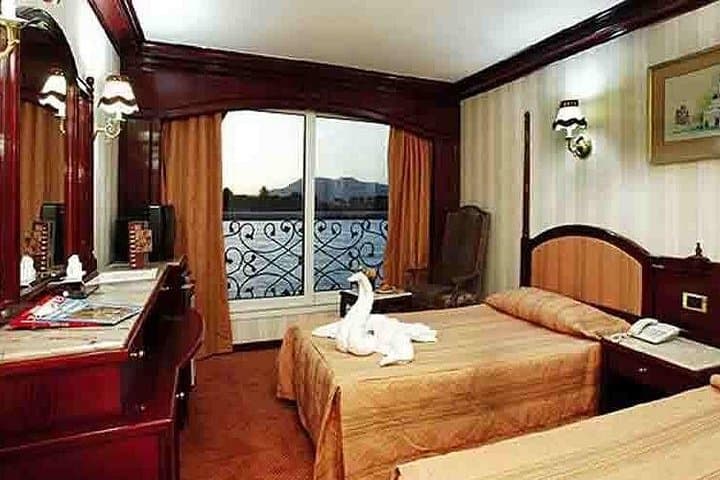
Practical edge: cabins are hotel-standard but bring layered clothing—nights on the river can be cool while days are hot. Hydrate; the sun is strong and sun protection is non-negotiable. Expect gentle walking on uneven temple stone and short vehicle transfers at ports.
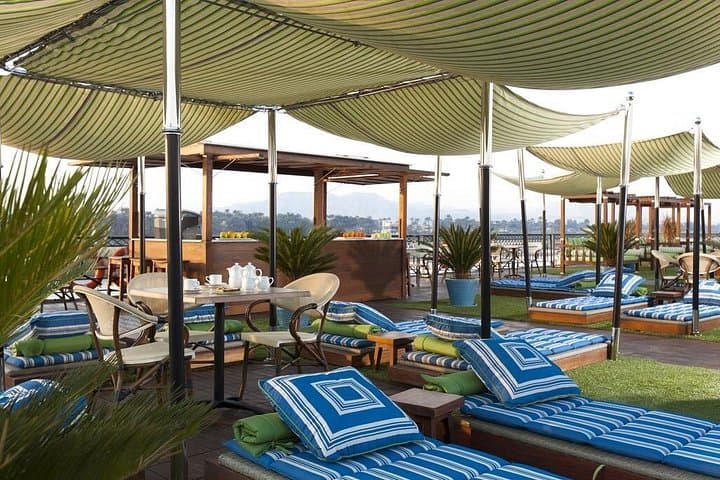
This cruise is light on technical difficulty but rich in cultural payoff: it’s designed for travelers who want relaxed travel time, guided archaeology, and comfortable evenings on deck. Time your visit for calmer light—early mornings and late afternoons give the best photos and milder temperatures.
The trip is 2 nights (about 3 days) from Aswan to Luxor; disembarkation in Luxor is typically after breakfast on day three around 8:30 am.
Standard tour inclusions list guided visits to Kom Ombo and Edfu; check your booking details for whether entrance fees are covered or paid locally.
Yes—Abu Simbel day trips, Philae/High Dam, West/East Bank tours and hot air balloons are available for an extra cost and can be arranged through the operator.
The cruise is generally easy but boarding, disembarkation and temple grounds include steps and uneven surfaces; contact the operator about accessibility and pick-up options.
Special trips operates guided outdoor trips and adventures with an emphasis on safety, stewardship, and memorable experiences.
You step onto the sun-warmed teak of a five-star dahabiya as the Nile slips past Aswan’s islands, the river nudging the hull forward with a steady, patient rhythm.
You step onto the sun-warmed teak of a five-star dahabiya as the Nile slips past Aswan’s islands, the river nudging the hull forward with a steady, patient rhythm.
On day one the ship threads channels rimmed with low, fertile banks and scattered Nubian settlements; the captain—often in traditional galabeya—navigates between motorboats and feluccas while the deck hums with conversation and the faint clink of tea glasses.
Geology here is plain and ancient: the Nile’s alluvial ribbon carves a green corridor through Precambrian granite that gives way to thick, silty floodplain soil. Culturally, these banks are living history—farmers, fishermen and temple towns that fed pharaonic Egypt.
The itinerary centers on classical Egyptology: a sunset stop at Kom Ombo (the unusual twin temple of Sobek and Horus), a dawn horse-and-carriage approach to Edfu’s well-preserved Horus temple, then passage through Esna lock before Luxor’s temples and optional Valley of the Kings extensions.
Practical edge: cabins are hotel-standard but bring layered clothing—nights on the river can be cool while days are hot. Hydrate; the sun is strong and sun protection is non-negotiable. Expect gentle walking on uneven temple stone and short vehicle transfers at ports.
This cruise is light on technical difficulty but rich in cultural payoff: it’s designed for travelers who want relaxed travel time, guided archaeology, and comfortable evenings on deck. Time your visit for calmer light—early mornings and late afternoons give the best photos and milder temperatures.