THE ADVENTURE COLLECTIVE® · Independent discovery and booking for outdoor travel

A compact 2‑night Nile cruise linking Aswan and Luxor with a day trip to Abu Simbel. Visit Kom Ombo, Edfu and the Valley of the Kings while enjoying full‑board service aboard a 5‑star vessel.
A compact 2‑night Nile cruise linking Aswan and Luxor with a day trip to Abu Simbel. Visit Kom Ombo, Edfu and the Valley of the Kings while enjoying full‑board service aboard a 5‑star vessel.
You step off a minibus in the warm Aswan morning and the Nile greets you like a patient highway—slow, reflective, and carrying centuries of sand and stone. The 5‑star dahabiya waits with shaded decks and buffet meals, a mobile base for temples that rise from the desert as if planted by giants. Abu Simbel’s colossi stare down the horizon on day one; by dusk the cruise is threading the river toward Kom Ombo and Edfu, temples of crocodile and falcon gods framed by palms and bright sky.
Verified experiences and guided adventures in the surrounding area.
Operated by Egypt Gift Tours · Aswan, Aswan Governorate
You step off a minibus in the warm Aswan morning and the Nile greets you like a patient highway—slow, reflective, and carrying centuries of sand and stone. The 5‑star dahabiya waits with shaded decks and buffet meals, a mobile base for temples that rise from the desert as if planted by giants. Abu Simbel’s colossi stare down the horizon on day one; by dusk the cruise is threading the river toward Kom Ombo and Edfu, temples of crocodile and falcon gods framed by palms and bright sky.
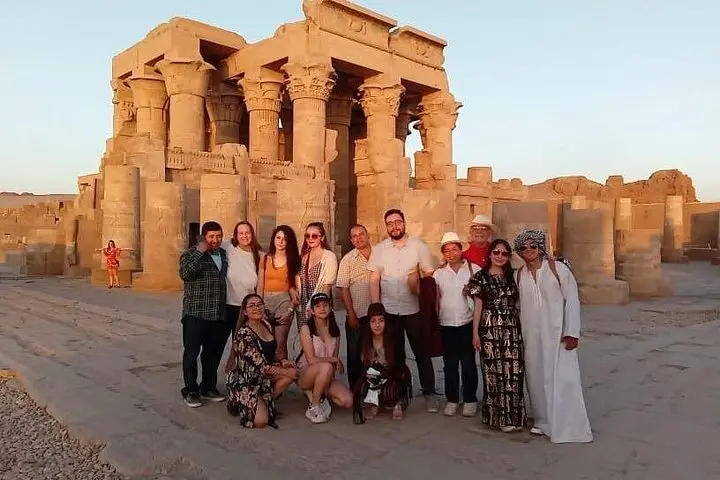
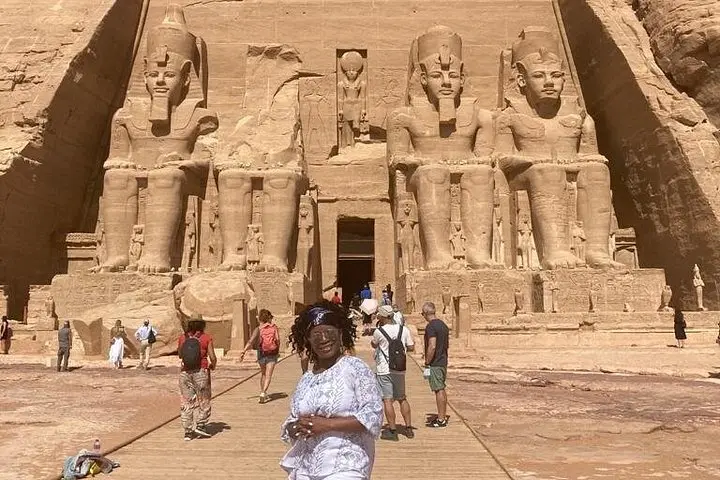
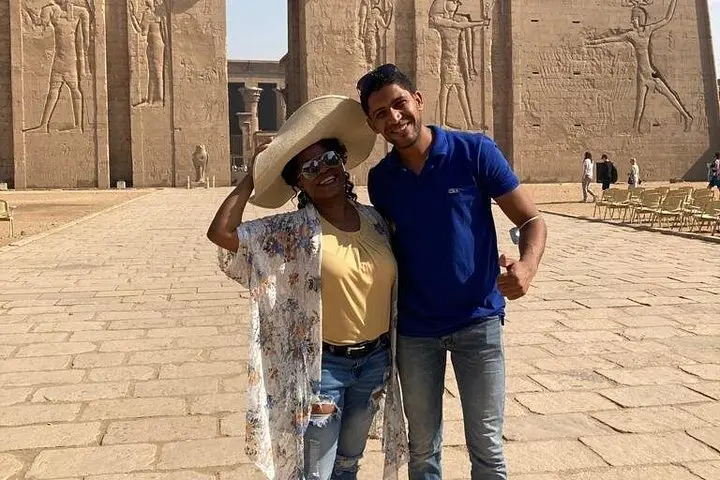
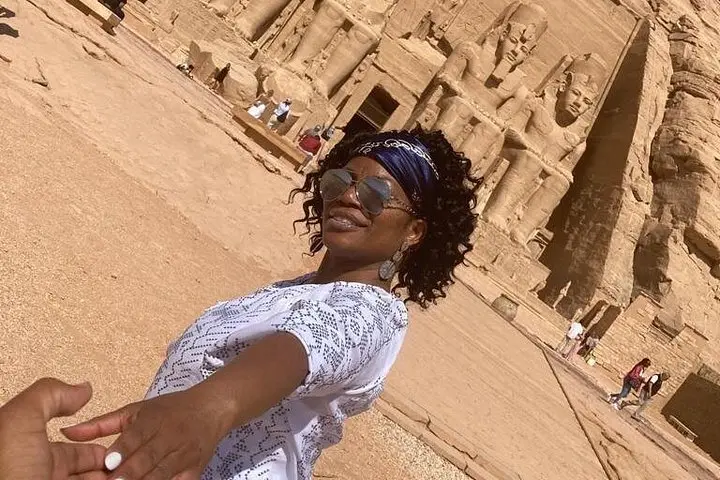
This three‑day route covers key New Kingdom and Ptolemaic sites: Ramesses II’s rock‑cut sanctuary at Abu Simbel (relocated in the 1960s), the dual Kom Ombo temple with its medical reliefs, and Edfu’s almost intact Temple of Horus. Geology here is Nubian sandstone and Nile silt—temples carved into bedrock or set on raised banks above seasonal floods that once defined agricultural life. Local culture centers on riverine towns, felucca traffic, and markets where spices and Nubian handicrafts are traded.
Practical guidance: expect easy walking with stairs and uneven stone at sites; guide‑led visits typically include timed entries and short transfers by vehicle. Carry sun protection, a water bottle, and modest clothing for temple etiquette. Mornings are best for photography and cooler temps; the cruise timetable is subject to river and lock schedules so order of stops can change. Book entrance fees and passport details ahead—Abu Simbel requires government permissions—and add some cash for local vendors and optional meals ashore.
Entrance fees are typically not included; bring a card or cash to pay for entry to temples and tombs as advised by the operator.
Physically easy—most time is spent onboard with short guided walks at sites; expect stairs and uneven surfaces at temples.
Abu Simbel is included subject to weather and government permissions; if canceled for safety you may receive a refund or alternative arrangement.
Modest clothing is recommended at religious and archaeological sites—shoulders and knees covered; light fabrics work best in summer.
Egypt Gift Tours operates guided outdoor trips and adventures with an emphasis on safety, stewardship, and memorable experiences.
You step off a minibus in the warm Aswan morning and the Nile greets you like a patient highway—slow, reflective, and carrying centuries of sand and stone. The 5‑star dahabiya waits with shaded decks and buffet meals, a mobile base for temples that rise from the desert as if planted by giants. Abu Simbel’s colossi stare down the horizon on day one; by dusk the cruise is threading the river toward Kom Ombo and Edfu, temples of crocodile and falcon gods framed by palms and bright sky.
You step off a minibus in the warm Aswan morning and the Nile greets you like a patient highway—slow, reflective, and carrying centuries of sand and stone. The 5‑star dahabiya waits with shaded decks and buffet meals, a mobile base for temples that rise from the desert as if planted by giants. Abu Simbel’s colossi stare down the horizon on day one; by dusk the cruise is threading the river toward Kom Ombo and Edfu, temples of crocodile and falcon gods framed by palms and bright sky.
This three‑day route covers key New Kingdom and Ptolemaic sites: Ramesses II’s rock‑cut sanctuary at Abu Simbel (relocated in the 1960s), the dual Kom Ombo temple with its medical reliefs, and Edfu’s almost intact Temple of Horus. Geology here is Nubian sandstone and Nile silt—temples carved into bedrock or set on raised banks above seasonal floods that once defined agricultural life. Local culture centers on riverine towns, felucca traffic, and markets where spices and Nubian handicrafts are traded.
Practical guidance: expect easy walking with stairs and uneven stone at sites; guide‑led visits typically include timed entries and short transfers by vehicle. Carry sun protection, a water bottle, and modest clothing for temple etiquette. Mornings are best for photography and cooler temps; the cruise timetable is subject to river and lock schedules so order of stops can change. Book entrance fees and passport details ahead—Abu Simbel requires government permissions—and add some cash for local vendors and optional meals ashore.