THE ADVENTURE COLLECTIVE® · Independent discovery and booking for outdoor travel

Drift from Aswan to Luxor over two nights aboard a Nile cruise, visiting Kom Ombo, Edfu and Luxor’s east and west banks, capped by a sunrise hot-air balloon over the Valley of the Kings. This short cruise blends river scenery with pharaonic sites and simple onboard comfort.
Drift from Aswan to Luxor over two nights aboard a Nile cruise, visiting Kom Ombo, Edfu and Luxor’s east and west banks, capped by a sunrise hot-air balloon over the Valley of the Kings. This short cruise blends river scenery with pharaonic sites and simple onboard comfort.
The sun lowers over the Nile and the cruise slips from Aswan’s riverbank like a slow, deliberate promise: palm fronds pass in silhouette, children wave from feluccas, and the deck hums with the low thrum of engines and conversation. On this two-night passage to Luxor travelers move through the living edge of ancient Egypt — islands, villages and temple pylons bathed first in sunset, then in the cool hush before a dawn balloon lift over the Valley of the Kings.
Verified experiences and guided adventures in the surrounding area.
Operated by Nile Prince Travel · Aswan, Aswan
The sun lowers over the Nile and the cruise slips from Aswan’s riverbank like a slow, deliberate promise: palm fronds pass in silhouette, children wave from feluccas, and the deck hums with the low thrum of engines and conversation. On this two-night passage to Luxor travelers move through the living edge of ancient Egypt — islands, villages and temple pylons bathed first in sunset, then in the cool hush before a dawn balloon lift over the Valley of the Kings.
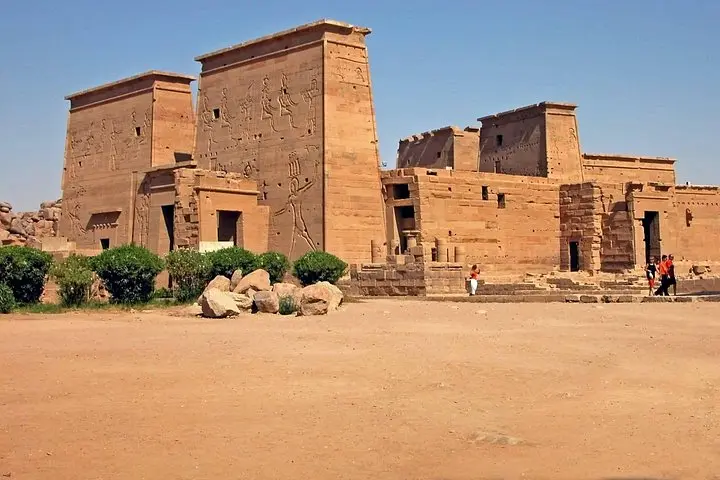
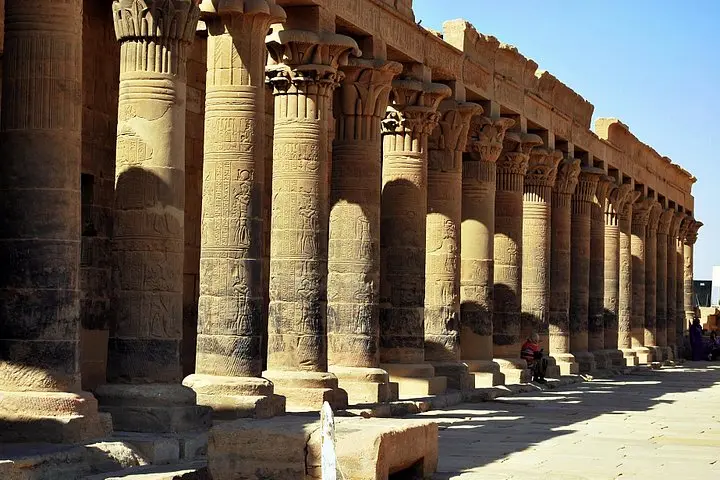
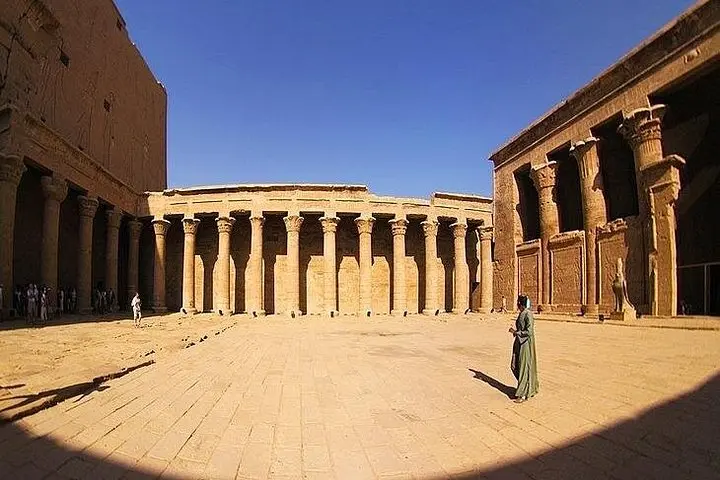
Geology here is simple and stark: a green ribbon of alluvial soil carving through Precambrian granite and desert sandstone to create fertile banks that supported millennia of civilization. The itinerary strings together major archaeological sites — Kom Ombo’s dual sanctuaries, Edfu’s Horus Temple, Luxor and Karnak and the rock-cut funerary landscape on the West Bank — each site a readable layer of pharaonic power, priestly ritual and Nile economy.
Cultural notes: local guides emphasize temple inscriptions and ritual space rather than speculative reconstructions; small Upper Egyptian villages retain traditional dress and livestock-driven agriculture along the banks.
Practical guidance: bring sun protection, comfortable shoes for uneven temple floors and a small daypack for water, camera and passport. Expect simple cabins with basic facilities, full-board meals on board and early starts for the balloon flight. Mobility needs are generally low but some temple access includes stairs and exposed paths. Remember to keep a respectful distance from fragile carvings and to carry cash for tips and small purchases in village markets.
Most nationalities require an Egyptian visa; check current entry requirements and obtain the visa in advance or on arrival when applicable.
The balloon ride is included on day three and operated by licensed local companies; flights depend on weather and may be rescheduled or canceled for safety.
Cabins are described as having standard cruise facilities, typically including private bathrooms and air conditioning; confirm specific cabin class when booking.
The cruise and key sites are generally accessible, but many temple areas have stairs and uneven ground; contact the operator about wheelchair access and transfers in advance.
Nile Prince Travel operates guided outdoor trips and adventures with an emphasis on safety, stewardship, and memorable experiences.
The sun lowers over the Nile and the cruise slips from Aswan’s riverbank like a slow, deliberate promise: palm fronds pass in silhouette, children wave from feluccas, and the deck hums with the low thrum of engines and conversation. On this two-night passage to Luxor travelers move through the living edge of ancient Egypt — islands, villages and temple pylons bathed first in sunset, then in the cool hush before a dawn balloon lift over the Valley of the Kings.
The sun lowers over the Nile and the cruise slips from Aswan’s riverbank like a slow, deliberate promise: palm fronds pass in silhouette, children wave from feluccas, and the deck hums with the low thrum of engines and conversation. On this two-night passage to Luxor travelers move through the living edge of ancient Egypt — islands, villages and temple pylons bathed first in sunset, then in the cool hush before a dawn balloon lift over the Valley of the Kings.
Geology here is simple and stark: a green ribbon of alluvial soil carving through Precambrian granite and desert sandstone to create fertile banks that supported millennia of civilization. The itinerary strings together major archaeological sites — Kom Ombo’s dual sanctuaries, Edfu’s Horus Temple, Luxor and Karnak and the rock-cut funerary landscape on the West Bank — each site a readable layer of pharaonic power, priestly ritual and Nile economy.
Cultural notes: local guides emphasize temple inscriptions and ritual space rather than speculative reconstructions; small Upper Egyptian villages retain traditional dress and livestock-driven agriculture along the banks.
Practical guidance: bring sun protection, comfortable shoes for uneven temple floors and a small daypack for water, camera and passport. Expect simple cabins with basic facilities, full-board meals on board and early starts for the balloon flight. Mobility needs are generally low but some temple access includes stairs and exposed paths. Remember to keep a respectful distance from fragile carvings and to carry cash for tips and small purchases in village markets.