THE ADVENTURE COLLECTIVE® · Independent discovery and booking for outdoor travel

A compact, heritage-rich Nile cruise linking Aswan and Luxor with a group visit to Abu Simbel. Expect full-board comfort, guided archaeological visits, and a steady pace that balances deck time with sunrise temple tours.
A compact, heritage-rich Nile cruise linking Aswan and Luxor with a group visit to Abu Simbel. Expect full-board comfort, guided archaeological visits, and a steady pace that balances deck time with sunrise temple tours.
You step off the tender into warm Aswan air and the Nile immediately takes over: the boat rocks gently, palm-fringed islands slide by and minarets puncture a low desert skyline. The cruise is both corridor and classroom — a slow, comfortable passage through four millennia of human ambition.
Verified experiences and guided adventures in the surrounding area.
Operated by Imperialegypt · Aswan, Aswan Governorate
You step off the tender into warm Aswan air and the Nile immediately takes over: the boat rocks gently, palm-fringed islands slide by and minarets puncture a low desert skyline. The cruise is both corridor and classroom — a slow, comfortable passage through four millennia of human ambition.
From Aswan’s High Dam and the relocated Philae temple to the colossal façades of Abu Simbel, the route threads ancient engineering and modern intervention. Abu Simbel’s temples, cut from living rock and moved stone-by-stone in the 1960s to save them from the rising lake, feel deliberately monumental; Kom Ombo’s double temple tells a different story, one split between Sobek and Horus. By Luxor the landscape opens into a sweep of funerary cliffs and the Hypostyle Hall at Karnak — 134 columns up to 70 feet tall — where light plays across carved reliefs.
Culturally, the Nile cruise is also a social rhythm: early morning excursions, siesta hours on deck, and evenings of local music and discussion led by an Egyptologist. Practically, expect full-board accommodation, guided tours of East and West Bank highlights, and included tipping for most staff (guide tipping excluded).
Plan for heat, sun, and cobbled temple grounds: breathable sun protection and sturdy shoes matter more than luxury items. Bring cash for small purchases and an appetite for early starts — dawn balloon lifts and sunrise tomb visits avoid the worst heat and deliver the clearest light for ruins. The trip is approachable for most travelers but always move with respect at archaeological sites and follow your guide’s conservation advice.
Tipping for ship staff and included services is covered, but the Egyptologist guide’s tip is typically handled separately—check booking notes.
Most nationalities need an entry visa for Egypt; confirm your country’s requirements and ensure passport validity of at least six months.
The cruise is generally suitable for those with moderate mobility, but some sites have steps and uneven ground—advise the operator at booking to arrange assistance.
Yes; Abu Simbel is typically a long morning excursion from Aswan often involving motor coach transfers and an early start, with around 2–3 hours on site.
Imperialegypt operates guided outdoor trips and adventures with an emphasis on safety, stewardship, and memorable experiences.
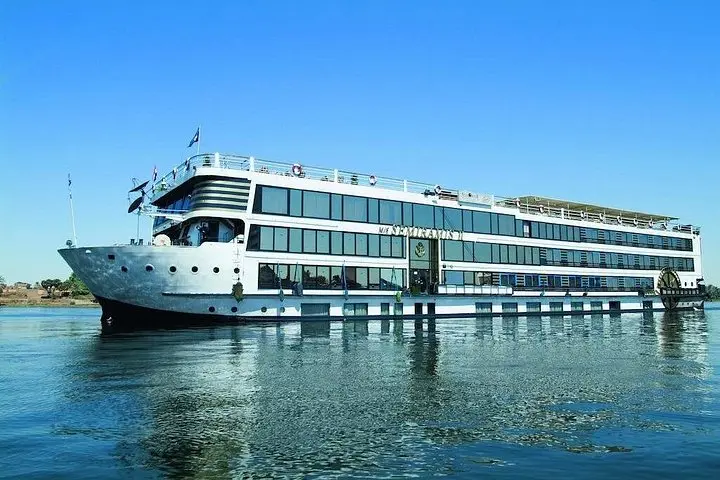
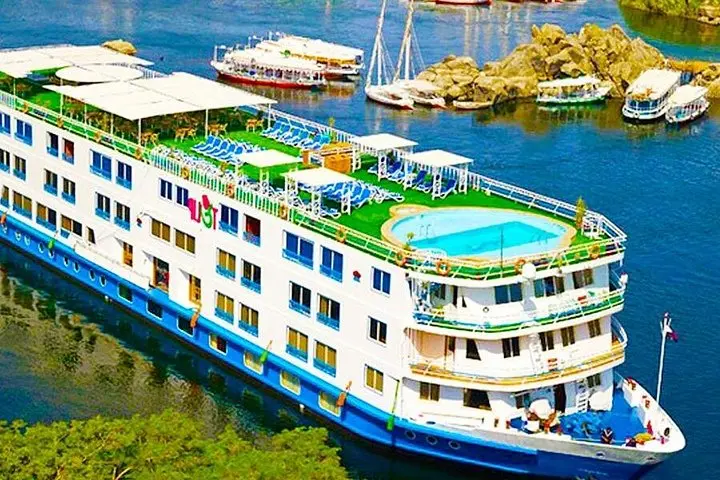
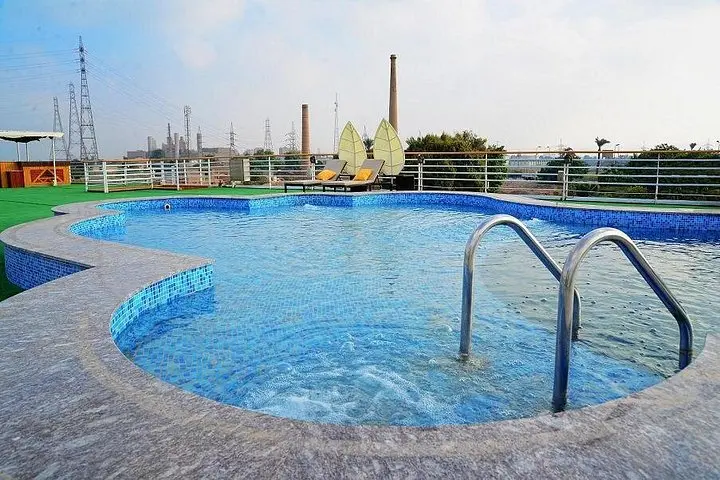
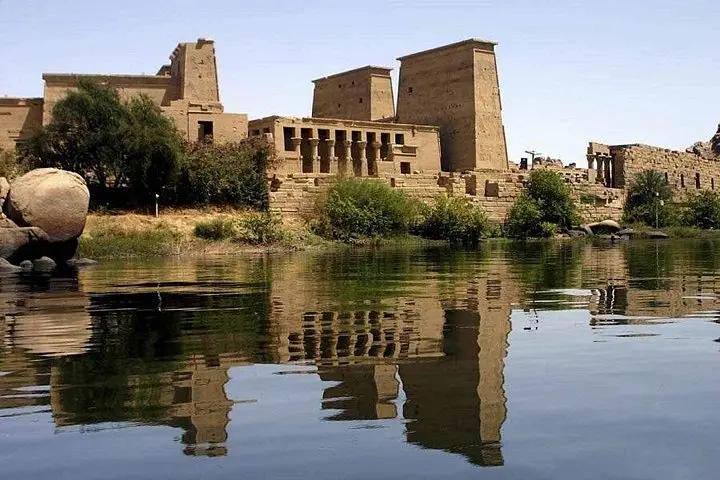
You step off the tender into warm Aswan air and the Nile immediately takes over: the boat rocks gently, palm-fringed islands slide by and minarets puncture a low desert skyline. The cruise is both corridor and classroom — a slow, comfortable passage through four millennia of human ambition.
You step off the tender into warm Aswan air and the Nile immediately takes over: the boat rocks gently, palm-fringed islands slide by and minarets puncture a low desert skyline. The cruise is both corridor and classroom — a slow, comfortable passage through four millennia of human ambition.
From Aswan’s High Dam and the relocated Philae temple to the colossal façades of Abu Simbel, the route threads ancient engineering and modern intervention. Abu Simbel’s temples, cut from living rock and moved stone-by-stone in the 1960s to save them from the rising lake, feel deliberately monumental; Kom Ombo’s double temple tells a different story, one split between Sobek and Horus. By Luxor the landscape opens into a sweep of funerary cliffs and the Hypostyle Hall at Karnak — 134 columns up to 70 feet tall — where light plays across carved reliefs.
Culturally, the Nile cruise is also a social rhythm: early morning excursions, siesta hours on deck, and evenings of local music and discussion led by an Egyptologist. Practically, expect full-board accommodation, guided tours of East and West Bank highlights, and included tipping for most staff (guide tipping excluded).
Plan for heat, sun, and cobbled temple grounds: breathable sun protection and sturdy shoes matter more than luxury items. Bring cash for small purchases and an appetite for early starts — dawn balloon lifts and sunrise tomb visits avoid the worst heat and deliver the clearest light for ruins. The trip is approachable for most travelers but always move with respect at archaeological sites and follow your guide’s conservation advice.