THE ADVENTURE COLLECTIVE® · Independent discovery and booking for outdoor travel

Cruise the Nile from Aswan to Luxor in four days, visiting Abu Simbel, Kom Ombo, Edfu and the temples of Luxor. Early starts and long shore visits reward travelers with monumental temples, living riverbanks and expert Egyptologist guides.
Cruise the Nile from Aswan to Luxor in four days, visiting Abu Simbel, Kom Ombo, Edfu and the temples of Luxor. Early starts and long shore visits reward travelers with monumental temples, living riverbanks and expert Egyptologist guides.
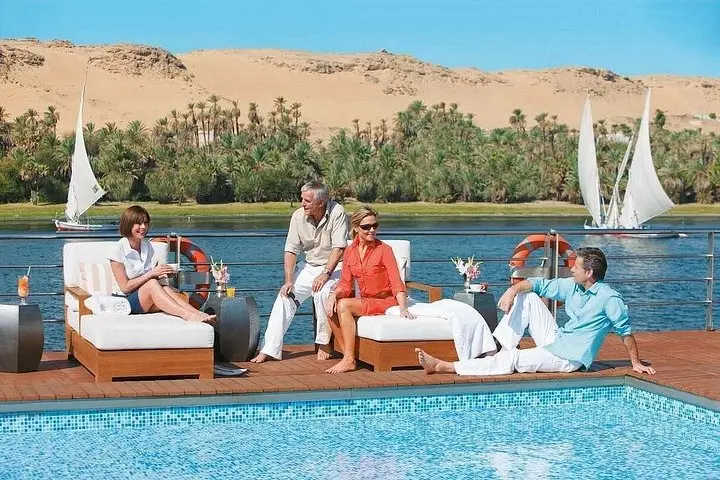
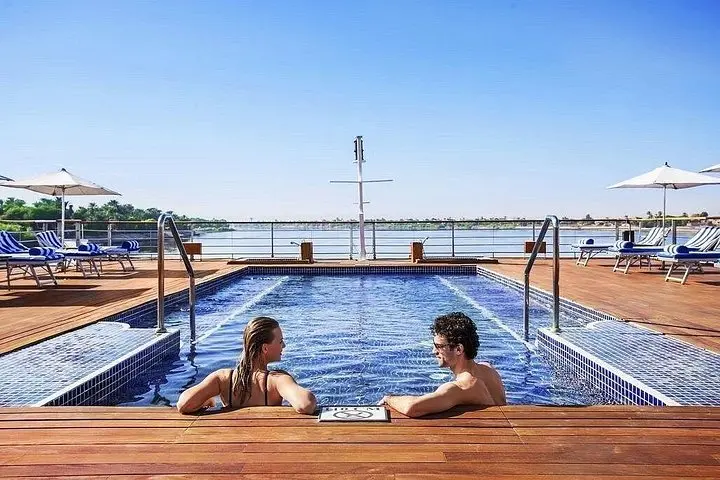
You wake before dawn on the Nile, stars thinning above the deck as the river dares you forward. The cruise slips away from Aswan, wind on your face and the riverbanks unfolding—mud-brick villages, palm clusters, and faded temple facades that once watched over pharaohs.
Verified experiences and guided adventures in the surrounding area.
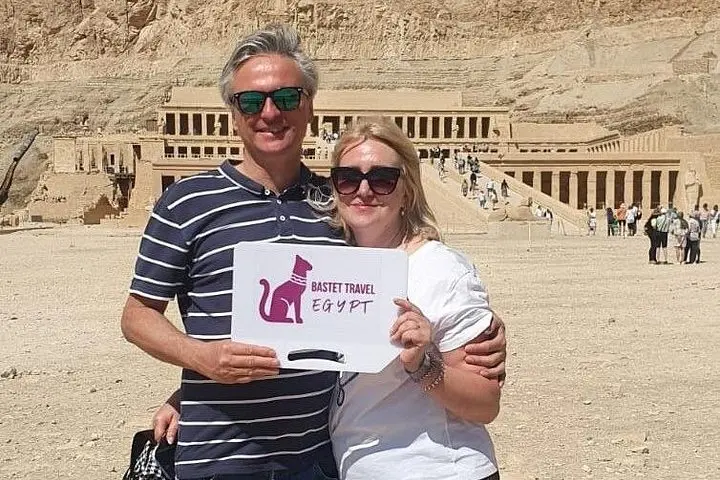
Operated by Bastet Travel · Aswan, Aswan Governorate
You wake before dawn on the Nile, stars thinning above the deck as the river dares you forward. The cruise slips away from Aswan, wind on your face and the riverbanks unfolding—mud-brick villages, palm clusters, and faded temple facades that once watched over pharaohs.
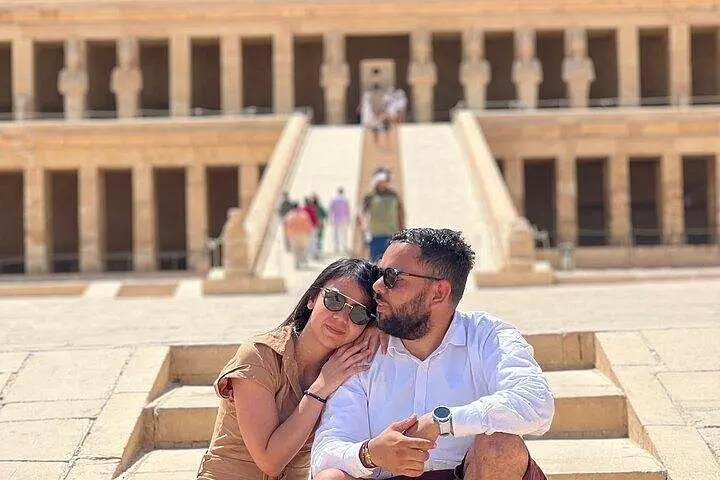
This compact four-day itinerary stitches together epochs: Philae’s Greco-Roman sanctuaries, the colossal rock-carved temples of Abu Simbel commissioned by Ramses II, Kom Ombo’s twin shrines, the well-preserved Ptolemaic temple of Edfu, and Luxor’s concentration of New Kingdom power at Karnak and the Valley of the Kings. Geologically the Nile corridor is defined by alluvial plains hemmed by granite outcrops in Aswan and the widening silts near Luxor; those stones were the quarry and stage for millennia of Egyptian construction.
Culturally, the voyage ties living Nile communities to an ancient economy: feluccas still ferry laundry and fishermen cast near reed beds, while Nubian villages preserve language, crafts, and color. Guides on board usually include an Egyptologist who brings the hieroglyphs and mortuary practices to life.
Practical guidance: expect early starts (Abu Simbel begins around 4:00 a.m.), long drives and much walking on uneven surfaces; comfortable, breathable clothing and sun protection are essential. Most excursions include entry fees and local transfers; bring small Egyptian pounds for tips and souvenirs. Hydrate steadily—the river may cool the air, but daytime heat is intense. Respect restricted tomb rules: no flash photography, follow your guide, and pack light for shore visits.
Most nationalities require a visa for Egypt; check current visa rules and obtain one in advance or on arrival where applicable.
The drive from Aswan to Abu Simbel is roughly 290 km each way; departures are early (around 4:00 a.m.) to avoid heat and to fit the round trip into a day.
This cruise package includes full board meals on board and most listed entry fees; confirm specifics for any optional tombs with extra charges.
The listing notes wheelchair-accessible options, but some archaeological sites have uneven steps—contact the operator to confirm arrangements for mobility needs.
Bastet Travel operates guided outdoor trips and adventures with an emphasis on safety, stewardship, and memorable experiences.
You wake before dawn on the Nile, stars thinning above the deck as the river dares you forward. The cruise slips away from Aswan, wind on your face and the riverbanks unfolding—mud-brick villages, palm clusters, and faded temple facades that once watched over pharaohs.
You wake before dawn on the Nile, stars thinning above the deck as the river dares you forward. The cruise slips away from Aswan, wind on your face and the riverbanks unfolding—mud-brick villages, palm clusters, and faded temple facades that once watched over pharaohs.
This compact four-day itinerary stitches together epochs: Philae’s Greco-Roman sanctuaries, the colossal rock-carved temples of Abu Simbel commissioned by Ramses II, Kom Ombo’s twin shrines, the well-preserved Ptolemaic temple of Edfu, and Luxor’s concentration of New Kingdom power at Karnak and the Valley of the Kings. Geologically the Nile corridor is defined by alluvial plains hemmed by granite outcrops in Aswan and the widening silts near Luxor; those stones were the quarry and stage for millennia of Egyptian construction.
Culturally, the voyage ties living Nile communities to an ancient economy: feluccas still ferry laundry and fishermen cast near reed beds, while Nubian villages preserve language, crafts, and color. Guides on board usually include an Egyptologist who brings the hieroglyphs and mortuary practices to life.
Practical guidance: expect early starts (Abu Simbel begins around 4:00 a.m.), long drives and much walking on uneven surfaces; comfortable, breathable clothing and sun protection are essential. Most excursions include entry fees and local transfers; bring small Egyptian pounds for tips and souvenirs. Hydrate steadily—the river may cool the air, but daytime heat is intense. Respect restricted tomb rules: no flash photography, follow your guide, and pack light for shore visits.