THE ADVENTURE COLLECTIVE® · Independent discovery and booking for outdoor travel

Board a 4-day Nile cruise from Aswan to Luxor and move through ancient Egypt by river: Philae, Kom Ombo, Edfu, the Valley of the Kings and Karnak, plus an excursion to Abu Simbel. Expect guided shore visits, easy daily walks and full-board meals on a comfortable cruise vessel.
Board a 4-day Nile cruise from Aswan to Luxor and move through ancient Egypt by river: Philae, Kom Ombo, Edfu, the Valley of the Kings and Karnak, plus an excursion to Abu Simbel. Expect guided shore visits, easy daily walks and full-board meals on a comfortable cruise vessel.
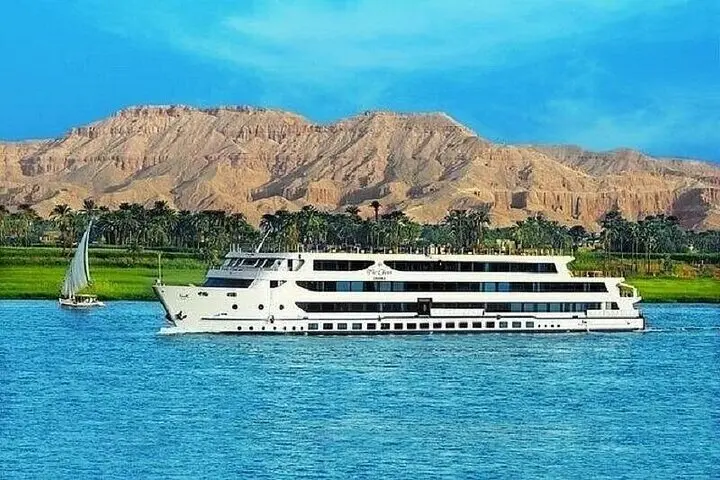
You wake before dawn as the Nile throws back silver light and the cruise slips away from Aswan, the river’s current pushing the hull toward a string of monuments that have watched Egyptian history unfold.
Verified experiences and guided adventures in the surrounding area.
Operated by Egypt Via Travel · Aswan, Aswan Governorate
You wake before dawn as the Nile throws back silver light and the cruise slips away from Aswan, the river’s current pushing the hull toward a string of monuments that have watched Egyptian history unfold.
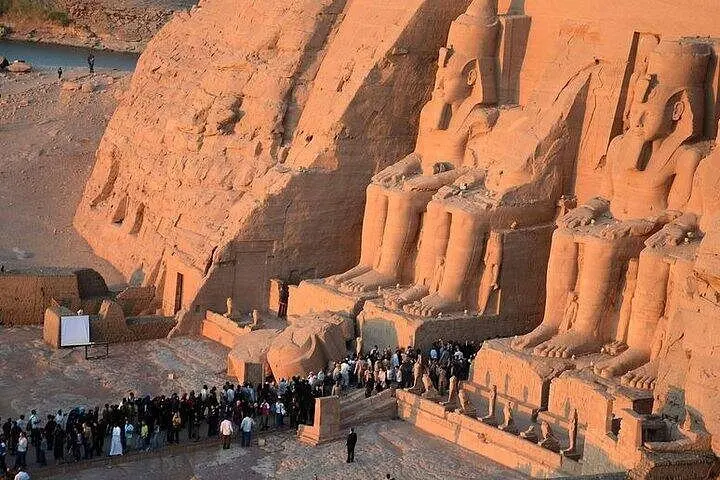
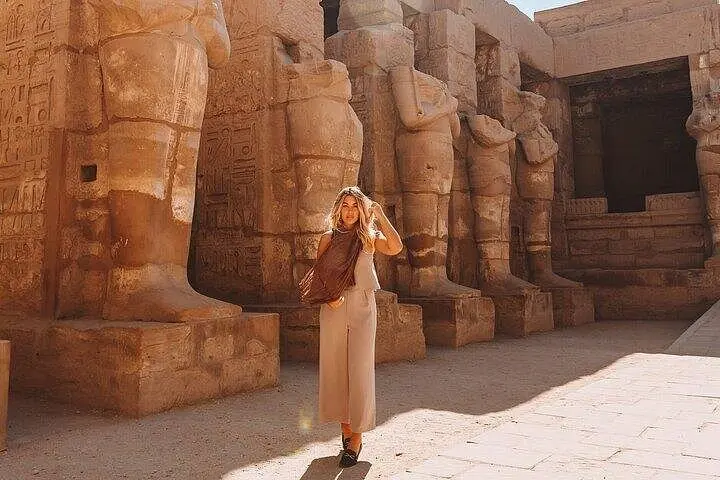
Over four days and three nights the ship becomes basecamp: mornings are for guided shore excursions to the High Dam, Philae and the relocated Abu Simbel temples; afternoons are for watching riverbank life — fishermen, palm fringes and occasional Nubian villages — float by. The itinerary threads Kom Ombo and Edfu’s twin temples with Luxor’s West Bank necropolises: the Valley of the Kings, Hatshepsut’s mortuary temple and the Colossi of Memnon. On the final day Karnak and Luxor Temples stamp the trip with imperial scale.
Geology and history are intertwined here — the Nile’s annual rise laid the silt that made pharaonic agriculture possible, while 20th-century engineering like the Aswan High Dam changed water management and prompted the international relocation of Abu Simbel’s monuments.
Practicalities are straightforward: expect full-board dining aboard, daily guided walks with moderate amounts of standing and stair-climbing, and transfers to airports or train stations in Luxor. Sun and dust dominate, so pace your days around site visits (many start early to avoid heat) and carry local currency for entrance fees, tips and roadside purchases.
This cruise is accessible for most travelers who can manage short walks and steps; it rewards patience with close encounters with Egypt’s layered past and the Nile’s steady pull.
The itinerary includes Abu Simbel as a long-excursion from Aswan—typically by road or organized transfer; expect an early start and a separate guided visit there.
Some tours include specific admissions, but many cruise packages require separate entrance tickets for major sites—confirm inclusions before booking and carry cash or card.
Many modern Nile vessels and shore transfers offer accessibility features, but some temple sites have steps and uneven surfaces; check accessibility details with the operator beforehand.
Carry Egyptian pounds for small purchases and tips; tipping drivers, guides and cabin staff is customary—ask your guide for suggested amounts.
Egypt Via Travel operates guided outdoor trips and adventures with an emphasis on safety, stewardship, and memorable experiences.

You wake before dawn as the Nile throws back silver light and the cruise slips away from Aswan, the river’s current pushing the hull toward a string of monuments that have watched Egyptian history unfold.
You wake before dawn as the Nile throws back silver light and the cruise slips away from Aswan, the river’s current pushing the hull toward a string of monuments that have watched Egyptian history unfold.
Over four days and three nights the ship becomes basecamp: mornings are for guided shore excursions to the High Dam, Philae and the relocated Abu Simbel temples; afternoons are for watching riverbank life — fishermen, palm fringes and occasional Nubian villages — float by. The itinerary threads Kom Ombo and Edfu’s twin temples with Luxor’s West Bank necropolises: the Valley of the Kings, Hatshepsut’s mortuary temple and the Colossi of Memnon. On the final day Karnak and Luxor Temples stamp the trip with imperial scale.
Geology and history are intertwined here — the Nile’s annual rise laid the silt that made pharaonic agriculture possible, while 20th-century engineering like the Aswan High Dam changed water management and prompted the international relocation of Abu Simbel’s monuments.
Practicalities are straightforward: expect full-board dining aboard, daily guided walks with moderate amounts of standing and stair-climbing, and transfers to airports or train stations in Luxor. Sun and dust dominate, so pace your days around site visits (many start early to avoid heat) and carry local currency for entrance fees, tips and roadside purchases.
This cruise is accessible for most travelers who can manage short walks and steps; it rewards patience with close encounters with Egypt’s layered past and the Nile’s steady pull.