THE ADVENTURE COLLECTIVE® · Independent discovery and booking for outdoor travel

Glide between Aswan and Luxor on a private 4‑day Nile cruise that pairs luxury accommodation with guided visits to Abu Simbel, Philae, Edfu, Kom Ombo and Luxor. Expect early starts, motorboat transfers, and sustained exposure to sun and stone.
Glide between Aswan and Luxor on a private 4‑day Nile cruise that pairs luxury accommodation with guided visits to Abu Simbel, Philae, Edfu, Kom Ombo and Luxor. Expect early starts, motorboat transfers, and sustained exposure to sun and stone.
You step from the dock into the hush of the Nile at dawn: palm-framed silhouettes, a slow current that seems to carry centuries downstream, and the low profile of a 5‑star cruise waiting to ferry you between ancient capitals. Over four days the river becomes a corridor of stone — temples, colossi and tombs arriving like chapters as you glide north.
Verified experiences and guided adventures in the surrounding area.
Operated by Book Your Tours · Aswan, Aswan Governorate
You step from the dock into the hush of the Nile at dawn: palm-framed silhouettes, a slow current that seems to carry centuries downstream, and the low profile of a 5‑star cruise waiting to ferry you between ancient capitals. Over four days the river becomes a corridor of stone — temples, colossi and tombs arriving like chapters as you glide north.
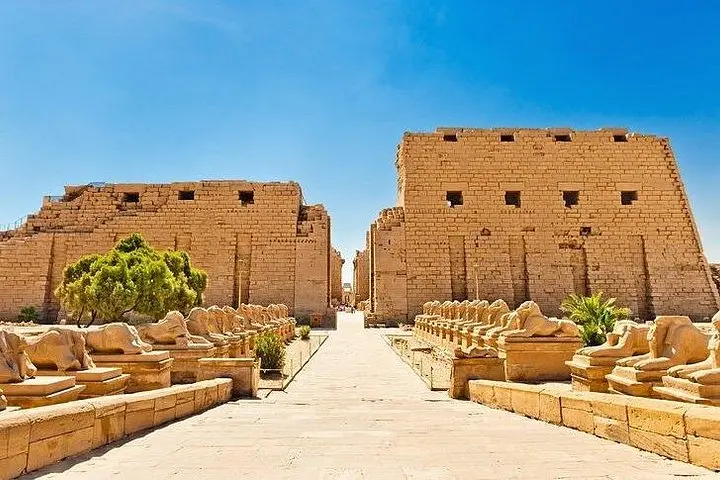
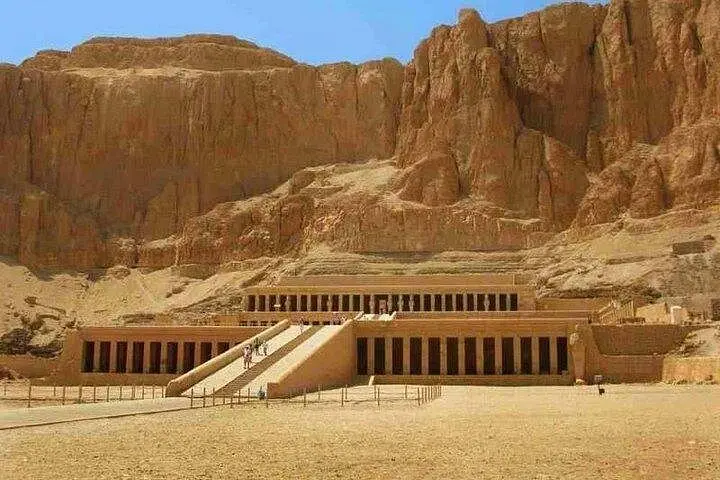
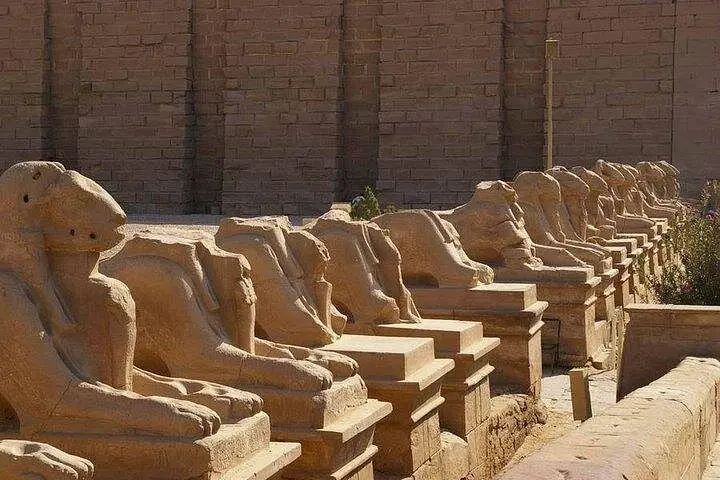
The voyage stitches Pharaonic history to modern engineering: Philae’s island shrines and the monumental postwar Aswan High Dam frame the moment when whole temples were moved to save them from Lake Nasser. Abu Simbel, carved by Ramses II, was dismantled and rebuilt on higher ground in the 1960s — a piece of living conservation visible in the scale and line of its façades. Ptolemaic sites at Edfu and Kom Ombo show later Greco-Roman influence, while Luxor and the Valley of the Kings reveal Thebes’ long funerary tradition.
Expect guided onshore visits, short walks over uneven stone, and stairs at temple pylons; motorboat transfers for island sites and a private coach for longer road legs (Abu Simbel is a long transfer from Aswan). Practicalities matter: sun, sand and centuries of stone — wear supportive shoes, cover up for temple entry, and carry plenty of water. Morning slots are cooler and less crowded; plan museum or indoor time for the hottest afternoons.
This trip balances relaxed cruising with active site exploration — it’s transportive but requires sensible pacing, sun protection, and respectful behavior at sacred sites.
Abu Simbel is typically a long road transfer (about 3–4 hours each way) or arranged by private coach; some tours use flights. This cruise includes a prearranged transfer and guided time at the temples.
Accessibility varies: main cruise facilities often offer wheelchair access, but ancient sites have steps, uneven ground and limited ramps—check specific accessibility services in advance.
Carry Egyptian pounds for small purchases and local vendors; tipping is customary for guides, drivers and cruise staff—budget modest daily amounts per person depending on service.
Bring your passport for ticketing at major sites and for any necessary museum or tomb permits; check visa requirements before travel.
Book Your Tours operates guided outdoor trips and adventures with an emphasis on safety, stewardship, and memorable experiences.
You step from the dock into the hush of the Nile at dawn: palm-framed silhouettes, a slow current that seems to carry centuries downstream, and the low profile of a 5‑star cruise waiting to ferry you between ancient capitals. Over four days the river becomes a corridor of stone — temples, colossi and tombs arriving like chapters as you glide north.
You step from the dock into the hush of the Nile at dawn: palm-framed silhouettes, a slow current that seems to carry centuries downstream, and the low profile of a 5‑star cruise waiting to ferry you between ancient capitals. Over four days the river becomes a corridor of stone — temples, colossi and tombs arriving like chapters as you glide north.
The voyage stitches Pharaonic history to modern engineering: Philae’s island shrines and the monumental postwar Aswan High Dam frame the moment when whole temples were moved to save them from Lake Nasser. Abu Simbel, carved by Ramses II, was dismantled and rebuilt on higher ground in the 1960s — a piece of living conservation visible in the scale and line of its façades. Ptolemaic sites at Edfu and Kom Ombo show later Greco-Roman influence, while Luxor and the Valley of the Kings reveal Thebes’ long funerary tradition.
Expect guided onshore visits, short walks over uneven stone, and stairs at temple pylons; motorboat transfers for island sites and a private coach for longer road legs (Abu Simbel is a long transfer from Aswan). Practicalities matter: sun, sand and centuries of stone — wear supportive shoes, cover up for temple entry, and carry plenty of water. Morning slots are cooler and less crowded; plan museum or indoor time for the hottest afternoons.
This trip balances relaxed cruising with active site exploration — it’s transportive but requires sensible pacing, sun protection, and respectful behavior at sacred sites.