THE ADVENTURE COLLECTIVE® · Independent discovery and booking for outdoor travel

A classic Upper Egypt itinerary that pairs relaxed river travel with intense temple visits — sail from Aswan to Luxor over three nights, with guided stops at Philae, Kom Ombo, Edfu and a full‑day Abu Simbel excursion. Read on for what to expect and how to plan your days on the Nile.
A classic Upper Egypt itinerary that pairs relaxed river travel with intense temple visits — sail from Aswan to Luxor over three nights, with guided stops at Philae, Kom Ombo, Edfu and a full‑day Abu Simbel excursion. Read on for what to expect and how to plan your days on the Nile.
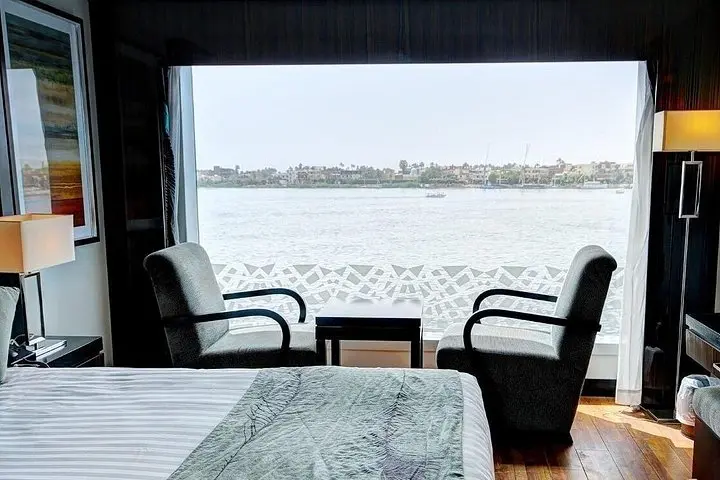
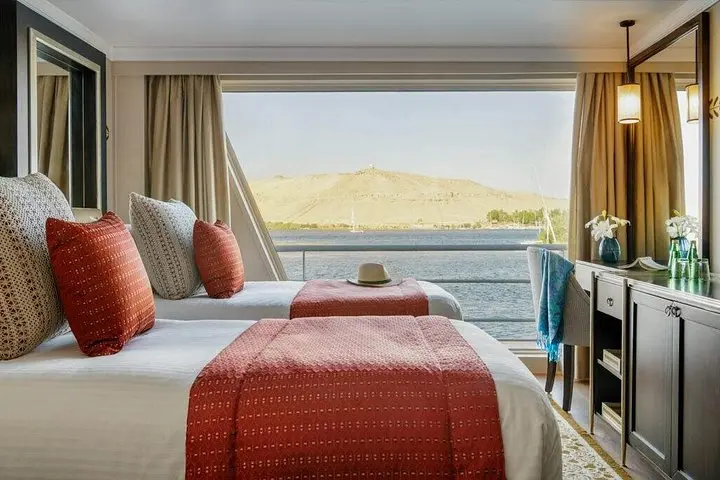
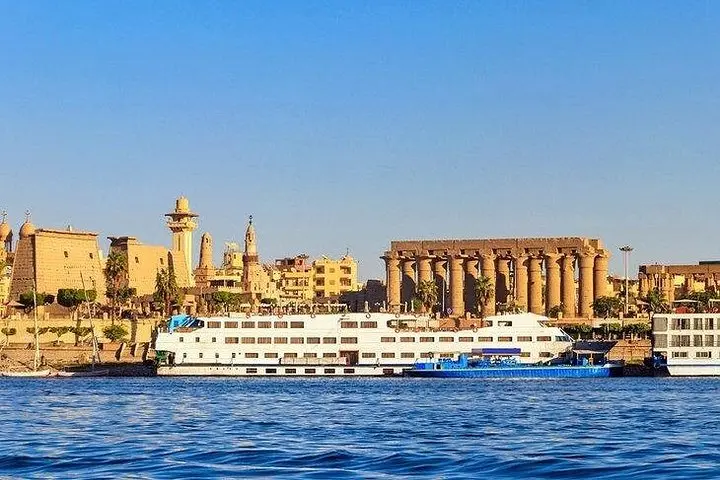
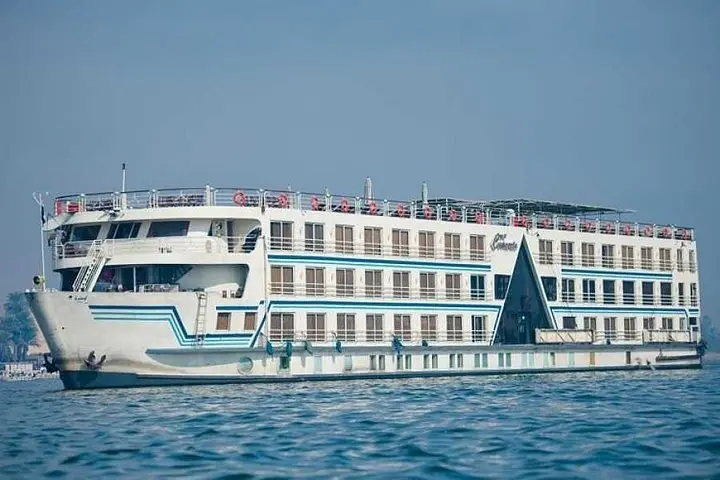
Morning light skims the Nile and the cruise loosens its moorings in Aswan — palms pass, fishermen cast, and the river itself seems to steer the pace. Onboard a five‑star dahabiya-style motor cruiser, passengers move between sun decks and shaded lounges as the boat threads the slow current toward Edfu and Luxor.
Verified experiences and guided adventures in the surrounding area.
Operated by Fayrouz Egypt Travel · Aswan, Aswan Governorate
Morning light skims the Nile and the cruise loosens its moorings in Aswan — palms pass, fishermen cast, and the river itself seems to steer the pace. Onboard a five‑star dahabiya-style motor cruiser, passengers move between sun decks and shaded lounges as the boat threads the slow current toward Edfu and Luxor.
This corridor of Upper Egypt carries millennia of human ambition. Granite quarries and desert scarps flank a river valley that fed pharaonic cities; temples at Philae, Kom Ombo and Karnak record layers of New Kingdom and Ptolemaic patronage. Abu Simbel, carved in Ramses II’s name and later cut into blocks and rebuilt on higher ground to escape Lake Nasser, underlines how modern engineering and ancient architecture intersect here — the Aswan High Dam reshaped the river and the region’s ecology.
Expect short, guided walks from tender boats to temple forecourts, a motorboat hop to Philae, and a possible long‑distance transfer to Abu Simbel. The itinerary favors cultural stops over strenuous activity: uneven stone, steps and open courtyards are common, and mid‑day heat can be intense. Cabins are hotel‑standard; meals are included and timed around excursions.
Practical edge: travel light for shore visits, carry cash for small local fees (some sites and motorboat rides accept cash only), and wear closed‑toe walking shoes with good grip. Aim for morning or late‑afternoon visits to avoid peak sun; bring a hat, sunscreen and a refillable water bottle. The cruise balances relaxed river travel with concentrated bursts of archaeology — a compact route through Egypt’s most iconic monuments.
Abu Simbel is offered as a full‑day excursion; it’s roughly 290 km southwest of Aswan, so expect a long road transfer (about 3–4 hours each way) or an optional flight when available.
The cruise includes visits listed in the itinerary, but several entrance fees, the motorboat to Philae and some on‑site payments may be paid locally—carry cash and a card as backup.
Handheld cameras and phones are generally allowed; specific sites may restrict tripods or flashes to protect painted reliefs—follow your guide and posted rules.
The cruise is family‑friendly, but many temple sites have stairs and uneven ground; those with reduced mobility should check in advance for accessibility and assistance.
Fayrouz Egypt Travel operates guided outdoor trips and adventures with an emphasis on safety, stewardship, and memorable experiences.
Morning light skims the Nile and the cruise loosens its moorings in Aswan — palms pass, fishermen cast, and the river itself seems to steer the pace. Onboard a five‑star dahabiya-style motor cruiser, passengers move between sun decks and shaded lounges as the boat threads the slow current toward Edfu and Luxor.
Morning light skims the Nile and the cruise loosens its moorings in Aswan — palms pass, fishermen cast, and the river itself seems to steer the pace. Onboard a five‑star dahabiya-style motor cruiser, passengers move between sun decks and shaded lounges as the boat threads the slow current toward Edfu and Luxor.
This corridor of Upper Egypt carries millennia of human ambition. Granite quarries and desert scarps flank a river valley that fed pharaonic cities; temples at Philae, Kom Ombo and Karnak record layers of New Kingdom and Ptolemaic patronage. Abu Simbel, carved in Ramses II’s name and later cut into blocks and rebuilt on higher ground to escape Lake Nasser, underlines how modern engineering and ancient architecture intersect here — the Aswan High Dam reshaped the river and the region’s ecology.
Expect short, guided walks from tender boats to temple forecourts, a motorboat hop to Philae, and a possible long‑distance transfer to Abu Simbel. The itinerary favors cultural stops over strenuous activity: uneven stone, steps and open courtyards are common, and mid‑day heat can be intense. Cabins are hotel‑standard; meals are included and timed around excursions.
Practical edge: travel light for shore visits, carry cash for small local fees (some sites and motorboat rides accept cash only), and wear closed‑toe walking shoes with good grip. Aim for morning or late‑afternoon visits to avoid peak sun; bring a hat, sunscreen and a refillable water bottle. The cruise balances relaxed river travel with concentrated bursts of archaeology — a compact route through Egypt’s most iconic monuments.