THE ADVENTURE COLLECTIVE® · Independent discovery and booking for outdoor travel

Sail the Nile from Aswan to Luxor over four nights, combining a five-star cruise, sunrise hot-air ballooning, and a sleeping train between Cairo and Upper Egypt. This itinerary pairs major Pharaonic sites with quiet river travel and practical transfer logistics.
Sail the Nile from Aswan to Luxor over four nights, combining a five-star cruise, sunrise hot-air ballooning, and a sleeping train between Cairo and Upper Egypt. This itinerary pairs major Pharaonic sites with quiet river travel and practical transfer logistics.
The Nile moves like an old guide — slow, insistent, and always pointing upriver. You board in Aswan as the city’s granite quarries shrug off the day’s heat; the cruise slips north past palm-fringed banks, fisherman, and small river ports that watch the water and wait.
Verified experiences and guided adventures in the surrounding area.
Operated by Best Of Egypt Tours · Aswan, Aswan Governorate
The Nile moves like an old guide — slow, insistent, and always pointing upriver. You board in Aswan as the city’s granite quarries shrug off the day’s heat; the cruise slips north past palm-fringed banks, fisherman, and small river ports that watch the water and wait.
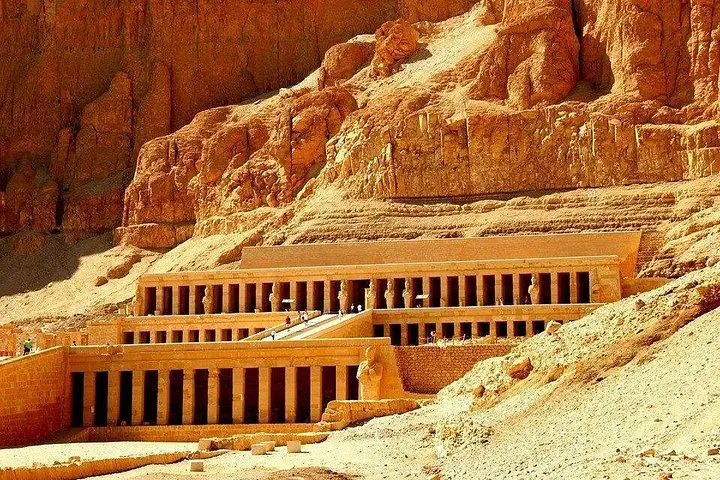
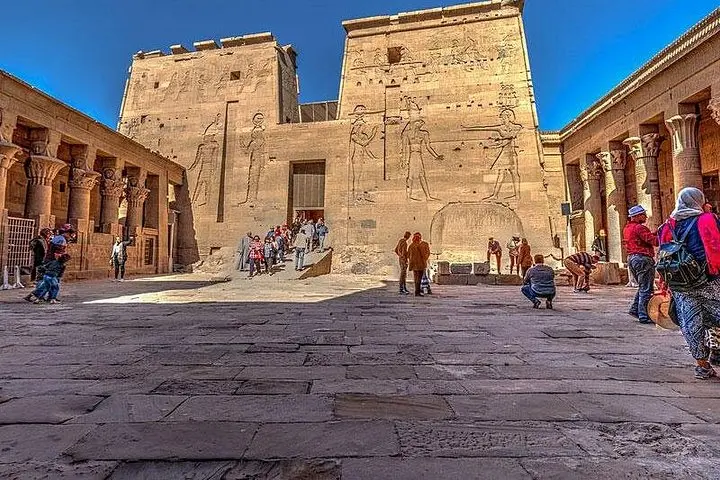
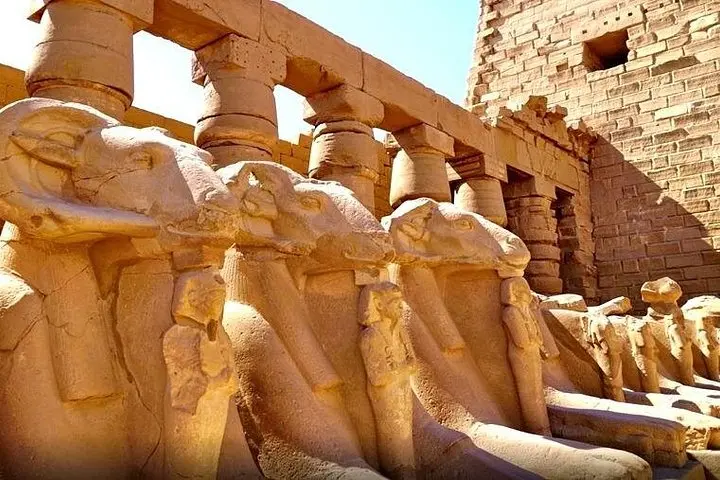
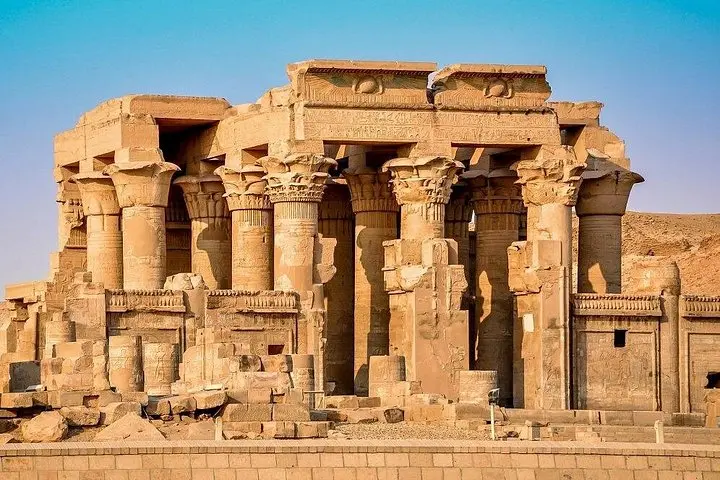
This route threads millennia of history: Philae’s island temples dedicated to Isis, the stark engineering of the Aswan High Dam, the Horus shrine at Edfu, and Luxor’s Karnak and Valley of the Kings — monuments cut from local limestone and sandstone and repainted by sunlight. Geology here is simple and honest: desert rock meets the life-bearing ribbon of the Nile, which carved a narrow fertile corridor through arid plateaus and created the conditions for ancient capital cities.
Culturally, this trip is a mix of Pharaonic ruins and modern Nile life — Nubian villages offering pottery and tea, hot-air balloon launches at dawn, and slow shared meals aboard a five-star dahabiya-style cruiser.
Practical guidance: expect early starts for temple visits and a pre-dawn balloon launch if booked. Walks inside tombs and temple courts include uneven stone, steps, and narrow passages — steady shoes are essential. Carry water, sun protection, and small-change for tips or site fees. Wi‑Fi is usually limited; bring offline maps and copies of tickets. Travel by sleeping train adds an element of efficient transit but plan for basic berth-style accommodations and transfers. Pace your days to match the river’s tempo — patient, observant, and rewarding.
Most visitors to Egypt require a visa—check your nationality’s requirements and ensure your passport is valid for at least six months; tour operators typically advise on entry procedures.
This itinerary lists many site visits but often excludes individual entrance fees—confirm with the operator which tickets are covered and budget extra for major sites and optional tombs.
Balloon operators set age and health limits; mild mobility issues may preclude participation—verify restrictions and consult your provider before booking.
Sleeping trains use berth-style cars with basic private or shared compartments; they’re an efficient, nostalgic way to travel long distances but offer more compact accommodations than hotels.
Best Of Egypt Tours operates guided outdoor trips and adventures with an emphasis on safety, stewardship, and memorable experiences.
The Nile moves like an old guide — slow, insistent, and always pointing upriver. You board in Aswan as the city’s granite quarries shrug off the day’s heat; the cruise slips north past palm-fringed banks, fisherman, and small river ports that watch the water and wait.
The Nile moves like an old guide — slow, insistent, and always pointing upriver. You board in Aswan as the city’s granite quarries shrug off the day’s heat; the cruise slips north past palm-fringed banks, fisherman, and small river ports that watch the water and wait.
This route threads millennia of history: Philae’s island temples dedicated to Isis, the stark engineering of the Aswan High Dam, the Horus shrine at Edfu, and Luxor’s Karnak and Valley of the Kings — monuments cut from local limestone and sandstone and repainted by sunlight. Geology here is simple and honest: desert rock meets the life-bearing ribbon of the Nile, which carved a narrow fertile corridor through arid plateaus and created the conditions for ancient capital cities.
Culturally, this trip is a mix of Pharaonic ruins and modern Nile life — Nubian villages offering pottery and tea, hot-air balloon launches at dawn, and slow shared meals aboard a five-star dahabiya-style cruiser.
Practical guidance: expect early starts for temple visits and a pre-dawn balloon launch if booked. Walks inside tombs and temple courts include uneven stone, steps, and narrow passages — steady shoes are essential. Carry water, sun protection, and small-change for tips or site fees. Wi‑Fi is usually limited; bring offline maps and copies of tickets. Travel by sleeping train adds an element of efficient transit but plan for basic berth-style accommodations and transfers. Pace your days to match the river’s tempo — patient, observant, and rewarding.