THE ADVENTURE COLLECTIVE® · Independent discovery and booking for outdoor travel
Convert a routine transfer into a cultural road trip: private transport from Aswan to Luxor with a guided stop at Edfu Temple lets you witness rural Nile life and one of Egypt’s best‑preserved Ptolemaic monuments. Read on for timing, what to pack, and what to expect.
Convert a routine transfer into a cultural road trip: private transport from Aswan to Luxor with a guided stop at Edfu Temple lets you witness rural Nile life and one of Egypt’s best‑preserved Ptolemaic monuments. Read on for timing, what to pack, and what to expect.
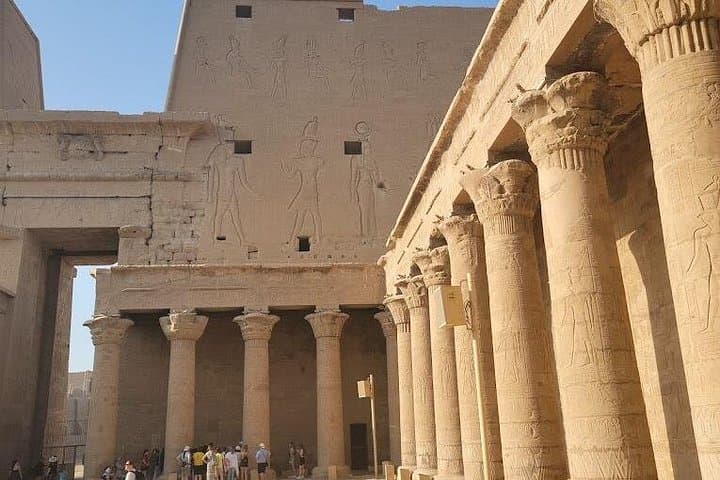
A low-slung minibus hums along the Nile’s edge, air conditioning cutting through the dry Egyptian light while palm groves lean in to watch the road. Travelers leave Aswan’s bustle and trade the city’s sandstone skyline for a countryside of sugarcane patches, mud‑brick hamlets and a river that dares you to slow down. Midday, the massive pylon of Edfu Temple rises like a carved promise on the horizon — a Ptolemaic stronghold of stone and myth.
Verified experiences and guided adventures in the surrounding area.
Operated by Eyes of Egypt · Edfu, Aswan Governorate
A low-slung minibus hums along the Nile’s edge, air conditioning cutting through the dry Egyptian light while palm groves lean in to watch the road. Travelers leave Aswan’s bustle and trade the city’s sandstone skyline for a countryside of sugarcane patches, mud‑brick hamlets and a river that dares you to slow down. Midday, the massive pylon of Edfu Temple rises like a carved promise on the horizon — a Ptolemaic stronghold of stone and myth.
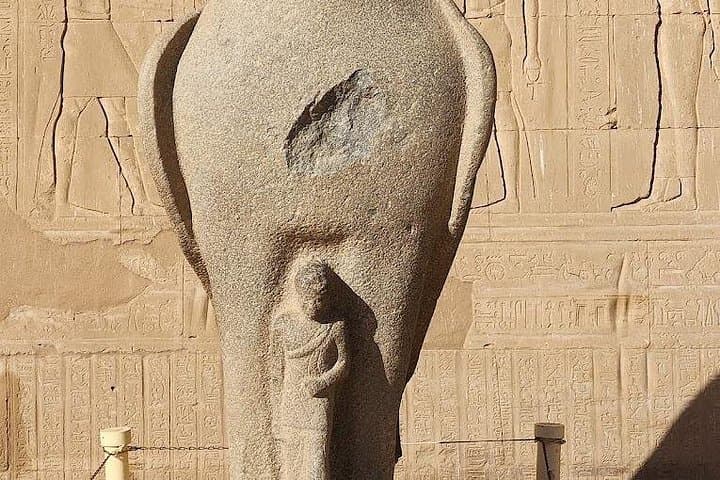
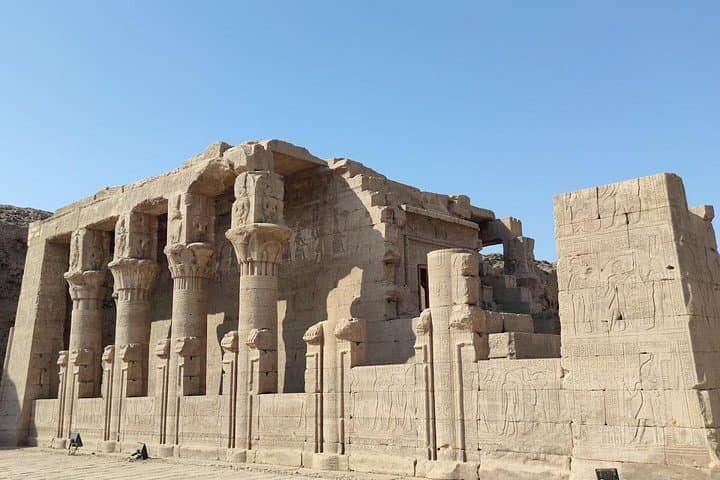
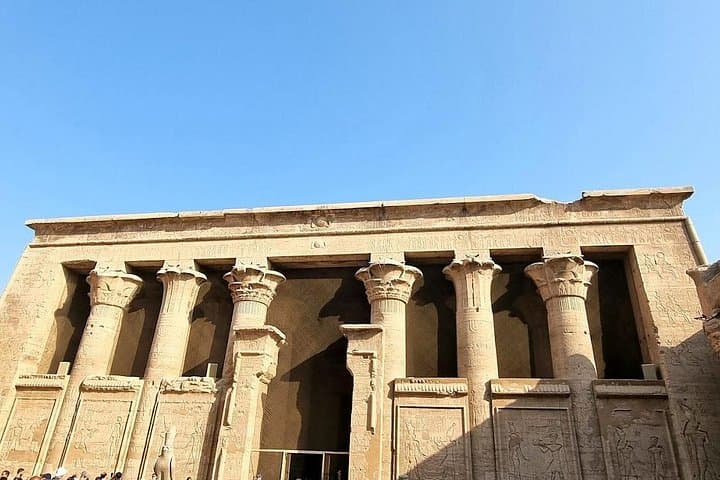
Edfu is one of Egypt’s best‑preserved temples, built between 237 and 57 BCE and dedicated to the falcon god Horus. Its reliefs record rituals and local law; the structure sits on the fertile Nile floodplain where geology shifts from alluvial silt to the steeper limestone escarpments nearer Luxor. Local culture remains river‑centered — farmers, feluccas and small markets keep rhythms unchanged for generations.
Practically, expect a private, door‑to‑door transfer lasting about 5–6 hours with a guided, ticketed 60‑minute visit at Edfu. Vehicles range from sedans to minibuses; roads are paved and the stop requires minimal walking but some steps inside the temple. Bring sun protection, comfortable shoes, bottled water and a camera with a charged battery: light is sharp and shadows make reliefs readable.
Timing matters — morning starts avoid heat and afternoon light reveals texture in the carvings. Guides translate context and keep the transfer efficient, turning transit into a moving introduction to Upper Egypt. Respect the site: stay on paths, don’t touch carvings, and tip local guides if their commentary enriches your visit.
Yes — the tour includes Edfu Temple entrance tickets handled on site, so you won’t need to buy them separately during the visit.
The guided stop is approximately 60 minutes, enough for a walk through the main courtyard, halls and a rooftop vantage point.
The operator notes wheelchair‑accessible transportation; however, temple access involves steps and uneven surfaces, so full accessibility at the site is limited.
Yes — bookings are per vehicle with options for sedan (up to 3), van (up to 5) or minibus (up to 7); select the appropriate size when reserving.
Eyes of Egypt operates guided outdoor trips and adventures with an emphasis on safety, stewardship, and memorable experiences.
A low-slung minibus hums along the Nile’s edge, air conditioning cutting through the dry Egyptian light while palm groves lean in to watch the road. Travelers leave Aswan’s bustle and trade the city’s sandstone skyline for a countryside of sugarcane patches, mud‑brick hamlets and a river that dares you to slow down. Midday, the massive pylon of Edfu Temple rises like a carved promise on the horizon — a Ptolemaic stronghold of stone and myth.
A low-slung minibus hums along the Nile’s edge, air conditioning cutting through the dry Egyptian light while palm groves lean in to watch the road. Travelers leave Aswan’s bustle and trade the city’s sandstone skyline for a countryside of sugarcane patches, mud‑brick hamlets and a river that dares you to slow down. Midday, the massive pylon of Edfu Temple rises like a carved promise on the horizon — a Ptolemaic stronghold of stone and myth.
Edfu is one of Egypt’s best‑preserved temples, built between 237 and 57 BCE and dedicated to the falcon god Horus. Its reliefs record rituals and local law; the structure sits on the fertile Nile floodplain where geology shifts from alluvial silt to the steeper limestone escarpments nearer Luxor. Local culture remains river‑centered — farmers, feluccas and small markets keep rhythms unchanged for generations.
Practically, expect a private, door‑to‑door transfer lasting about 5–6 hours with a guided, ticketed 60‑minute visit at Edfu. Vehicles range from sedans to minibuses; roads are paved and the stop requires minimal walking but some steps inside the temple. Bring sun protection, comfortable shoes, bottled water and a camera with a charged battery: light is sharp and shadows make reliefs readable.
Timing matters — morning starts avoid heat and afternoon light reveals texture in the carvings. Guides translate context and keep the transfer efficient, turning transit into a moving introduction to Upper Egypt. Respect the site: stay on paths, don’t touch carvings, and tip local guides if their commentary enriches your visit.
