THE ADVENTURE COLLECTIVE® · Independent discovery and booking for outdoor travel

Follow the Nile from Aswan to Luxor on a private VIP transfer that pauses at Kom Ombo Temple—home to twin sanctuaries, a crocodile museum, and a Nilometer. This scenic road trip blends cultural insight with flexible stops and memorable river views.
Follow the Nile from Aswan to Luxor on a private VIP transfer that pauses at Kom Ombo Temple—home to twin sanctuaries, a crocodile museum, and a Nilometer. This scenic road trip blends cultural insight with flexible stops and memorable river views.
The road unwinds along the Nile and the river keeps pace like a companion, reed beds whispering as feluccas drift on glassy water. You step into an air-conditioned car in Aswan and cross a landscape that shifts from city bustle to palms, mud-brick villages, and low, stony desert framing the green river corridor.
Verified experiences and guided adventures in the surrounding area.
Operated by Eyes of Egypt · Kom Ombo, Aswan Governorate
The road unwinds along the Nile and the river keeps pace like a companion, reed beds whispering as feluccas drift on glassy water. You step into an air-conditioned car in Aswan and cross a landscape that shifts from city bustle to palms, mud-brick villages, and low, stony desert framing the green river corridor.
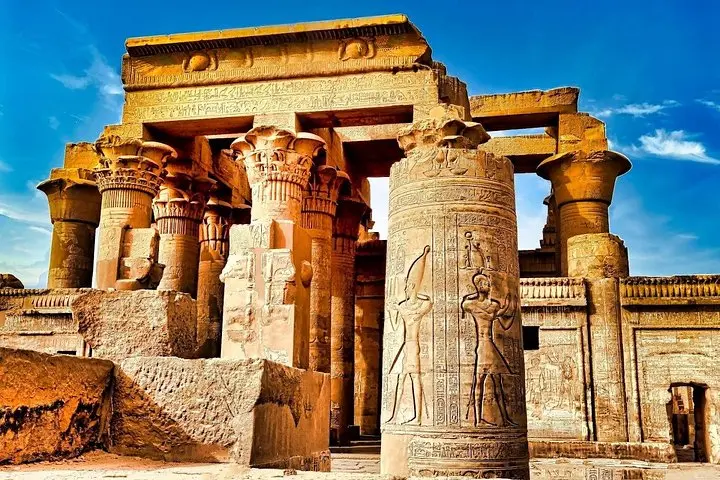
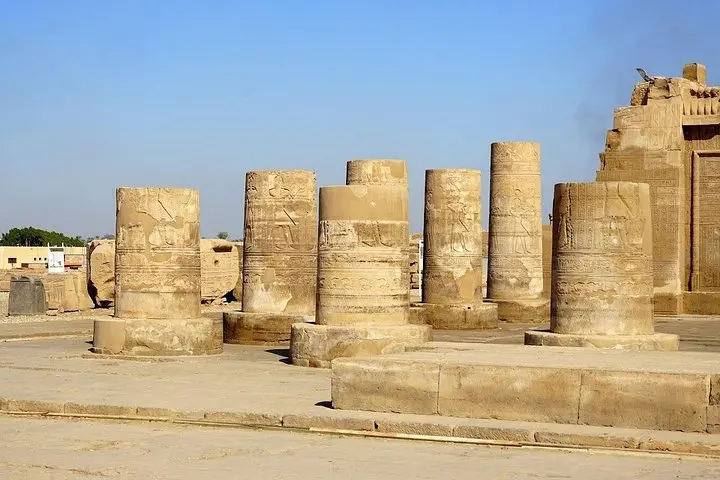
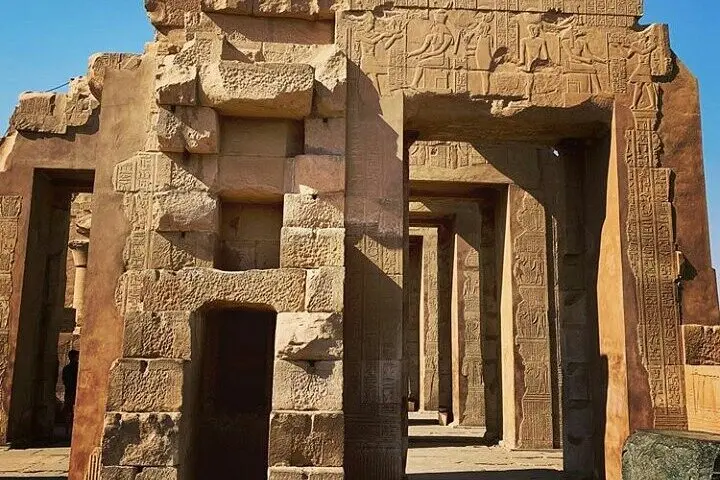
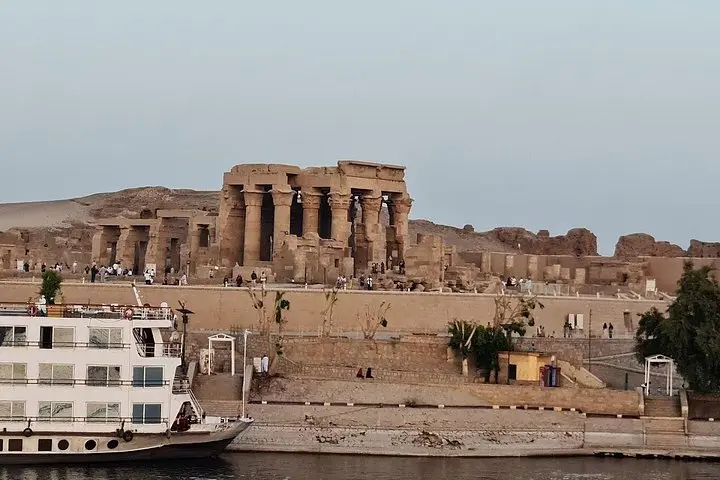
Kom Ombo sits perched at the river’s edge — a twin temple raised in the Ptolemaic era where Sobek the crocodile god shares space with Horus the falcon. Reliefs and hieroglyphs narrate rituals and river life; the site’s Nilometer reminds visitors that the Nile’s rhythms shaped agriculture and governance for millennia. Geologically, the valley here is narrow and alluvial, ancient layers of silt tracing seasonal floods that made this stretch of Egypt livable.
Your guide meets you inside the temple to interpret iconography and point out the crocodile museum and the rarely noticed carving panels. Between Kom Ombo and Luxor, the drive becomes an open-air museum: fields, villages, and glimpses of other temple sites line the route — an ideal chance for photography and quick cultural exchanges with roadside sellers.
Practical notes: this is primarily a comfortable road transfer with a 1–2 hour temple visit; entrance tickets aren’t included. Wear sturdy shoes for uneven temple stone, sun protection and carry plenty of water. Plan for a 6.5–7 hour day in total with flexibility for photo stops. If you travel in summer, start early or late to avoid peak heat; in winter the light is crisp and perfect for temple photography. Respect restricted areas, follow your guide’s directions, and leave no trace along the Nile.
No, entrance tickets are not included. You can buy tickets at the temple on arrival to control your schedule.
Yes, the tour includes private pickup from Aswan accommodations; confirm pickup details when booking.
Total travel time is approximately 6.5–7 hours including the 60–90 minute stop at Kom Ombo and flexible photo stops en route.
The transfer vehicles are wheelchair-accessible, but temple terrain includes uneven stone and steps—ask about accessibility options and assistance when booking.
Eyes of Egypt operates guided outdoor trips and adventures with an emphasis on safety, stewardship, and memorable experiences.
The road unwinds along the Nile and the river keeps pace like a companion, reed beds whispering as feluccas drift on glassy water. You step into an air-conditioned car in Aswan and cross a landscape that shifts from city bustle to palms, mud-brick villages, and low, stony desert framing the green river corridor.
The road unwinds along the Nile and the river keeps pace like a companion, reed beds whispering as feluccas drift on glassy water. You step into an air-conditioned car in Aswan and cross a landscape that shifts from city bustle to palms, mud-brick villages, and low, stony desert framing the green river corridor.
Kom Ombo sits perched at the river’s edge — a twin temple raised in the Ptolemaic era where Sobek the crocodile god shares space with Horus the falcon. Reliefs and hieroglyphs narrate rituals and river life; the site’s Nilometer reminds visitors that the Nile’s rhythms shaped agriculture and governance for millennia. Geologically, the valley here is narrow and alluvial, ancient layers of silt tracing seasonal floods that made this stretch of Egypt livable.
Your guide meets you inside the temple to interpret iconography and point out the crocodile museum and the rarely noticed carving panels. Between Kom Ombo and Luxor, the drive becomes an open-air museum: fields, villages, and glimpses of other temple sites line the route — an ideal chance for photography and quick cultural exchanges with roadside sellers.
Practical notes: this is primarily a comfortable road transfer with a 1–2 hour temple visit; entrance tickets aren’t included. Wear sturdy shoes for uneven temple stone, sun protection and carry plenty of water. Plan for a 6.5–7 hour day in total with flexibility for photo stops. If you travel in summer, start early or late to avoid peak heat; in winter the light is crisp and perfect for temple photography. Respect restricted areas, follow your guide’s directions, and leave no trace along the Nile.