THE ADVENTURE COLLECTIVE® · Independent discovery and booking for outdoor travel

Ride the world’s fastest elevators and stand above Dubai on Levels 124 and 125 of the Burj Khalifa. This concise guide covers what you’ll see, how long it takes, and practical tips to make the most of a short but unforgettable visit.
Ride the world’s fastest elevators and stand above Dubai on Levels 124 and 125 of the Burj Khalifa. This concise guide covers what you’ll see, how long it takes, and practical tips to make the most of a short but unforgettable visit.
You step off the elevator and the city folds out beneath you: a grid of light and glass, the Marina’s towers leaning toward the Palm like boats at rest, salt-scented air drifting up from the creek below. The Level 124 observation floor brings you to eye level with Dubai’s skyline; the 125th adds an airy deck framed by contemporary Arabic mashrabiya that sharpens the view.
Verified experiences and guided adventures in the surrounding area.
Operated by Mayra Tours LLC · Dubai, Dubai
You step off the elevator and the city folds out beneath you: a grid of light and glass, the Marina’s towers leaning toward the Palm like boats at rest, salt-scented air drifting up from the creek below. The Level 124 observation floor brings you to eye level with Dubai’s skyline; the 125th adds an airy deck framed by contemporary Arabic mashrabiya that sharpens the view.
The Burj Khalifa opened in 2010 as the world’s tallest freestanding structure—designed by Adrian Smith of Skidmore, Owings & Merrill—and became an instant focal point of Dubai’s modern identity. Geologically there’s nothing dramatic at the site itself; the building is an engineered vertical landscape that reshaped the city’s center. Culturally it’s a place where global tourism meets Emirati hospitality—expect multilingual signage and strict but straightforward security.
Practical guidance: the advertised access window is 30 minutes on the observatory, but queues, security checks, and sunset demand add time—allow up to three hours total during peak season. Elevators travel at roughly 10 m/s; bring a wide-angle lens for sweeping panoramas and a light layer for breezy conditions on the 125th deck. Peak photo times (sunset) see the longest waits; morning or late-night slots are quieter. Tickets are mobile-friendly; keep ID ready for booking questions that include passport details. Respect local dress codes in public spaces, monitor the Dubai Fountain schedule from the plaza below, and factor in transit time—Metro and taxis serve Downtown Dubai but expect busy sidewalks. With a little planning, the visit is a compact, high-impact way to read Dubai from above.
Tickets allocate 30 minutes on the observatory levels, but queues, security, and crowds—especially around sunset—can expand total visit time to 1–3 hours.
Yes. The Burj Khalifa observation decks and public areas are accessible by elevator; staff can assist with access and prams are allowed.
Yes—Level 125 features an open-air terrace framed by modern mashrabiya elements, but staff may restrict access during high winds or maintenance.
There are no full-service restaurants on Levels 124/125; vending and refreshments may be available elsewhere in The Dubai Mall and surrounding plaza.
Mayra Tours LLC operates guided outdoor trips and adventures with an emphasis on safety, stewardship, and memorable experiences.
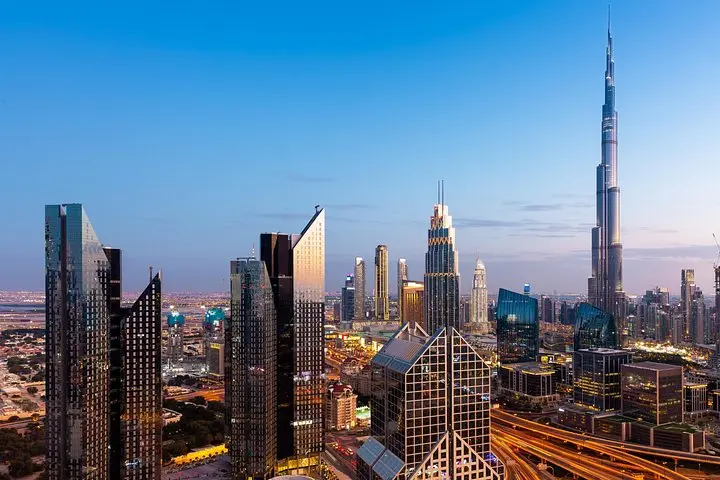
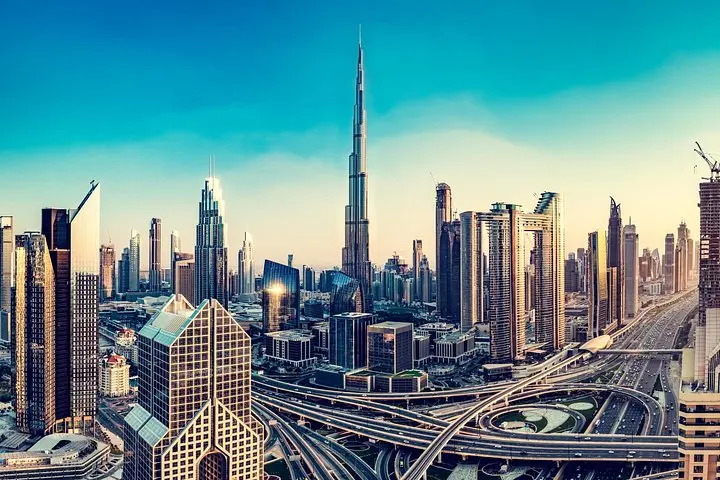
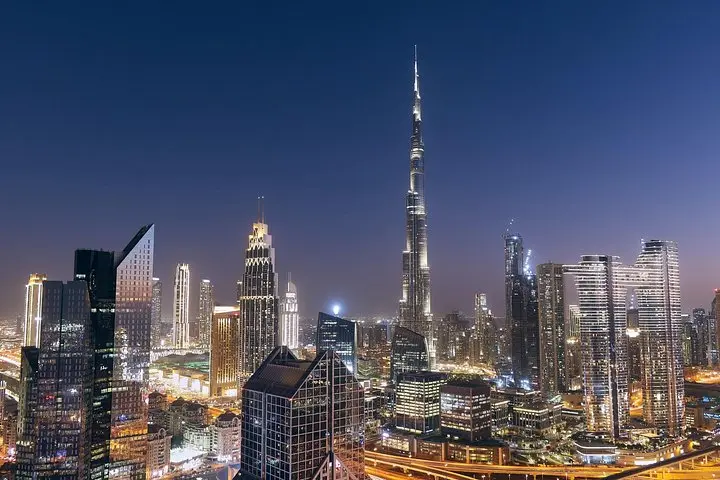
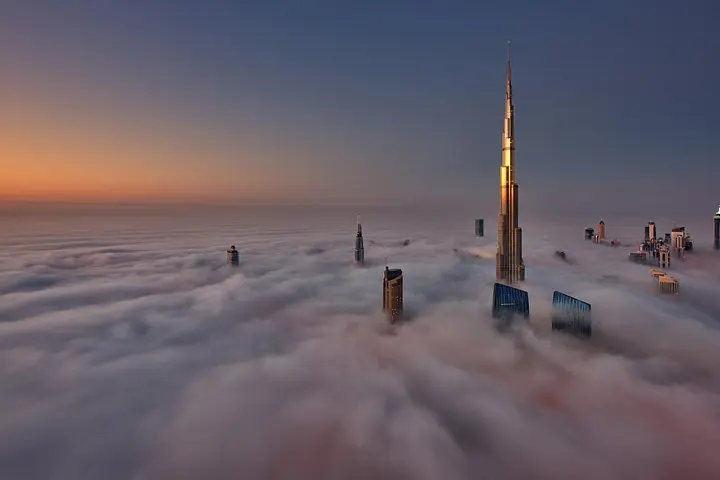
You step off the elevator and the city folds out beneath you: a grid of light and glass, the Marina’s towers leaning toward the Palm like boats at rest, salt-scented air drifting up from the creek below. The Level 124 observation floor brings you to eye level with Dubai’s skyline; the 125th adds an airy deck framed by contemporary Arabic mashrabiya that sharpens the view.
You step off the elevator and the city folds out beneath you: a grid of light and glass, the Marina’s towers leaning toward the Palm like boats at rest, salt-scented air drifting up from the creek below. The Level 124 observation floor brings you to eye level with Dubai’s skyline; the 125th adds an airy deck framed by contemporary Arabic mashrabiya that sharpens the view.
The Burj Khalifa opened in 2010 as the world’s tallest freestanding structure—designed by Adrian Smith of Skidmore, Owings & Merrill—and became an instant focal point of Dubai’s modern identity. Geologically there’s nothing dramatic at the site itself; the building is an engineered vertical landscape that reshaped the city’s center. Culturally it’s a place where global tourism meets Emirati hospitality—expect multilingual signage and strict but straightforward security.
Practical guidance: the advertised access window is 30 minutes on the observatory, but queues, security checks, and sunset demand add time—allow up to three hours total during peak season. Elevators travel at roughly 10 m/s; bring a wide-angle lens for sweeping panoramas and a light layer for breezy conditions on the 125th deck. Peak photo times (sunset) see the longest waits; morning or late-night slots are quieter. Tickets are mobile-friendly; keep ID ready for booking questions that include passport details. Respect local dress codes in public spaces, monitor the Dubai Fountain schedule from the plaza below, and factor in transit time—Metro and taxis serve Downtown Dubai but expect busy sidewalks. With a little planning, the visit is a compact, high-impact way to read Dubai from above.