THE ADVENTURE COLLECTIVE® · Independent discovery and booking for outdoor travel

Float in hyper-saline lagoons and photograph mirror-like reflections on this 4–5 hour half-day tour from San Pedro de Atacama. Expect firm salt plains, easy walks, and vivid birdlife with strong sun and scenic sunsets.
Float in hyper-saline lagoons and photograph mirror-like reflections on this 4–5 hour half-day tour from San Pedro de Atacama. Expect firm salt plains, easy walks, and vivid birdlife with strong sun and scenic sunsets.
A low sun cuts across an iron-colored desert and the road opens onto sheets of white salt and glassy water. On a half-day loop from San Pedro de Atacama, travelers step from an air-conditioned van onto crystalline flats and into shallow, hyper-saline lagoons where buoyancy does the work; bodies settle and the wind moves like a patient narrator over the water.
Verified experiences and guided adventures in the surrounding area.
Operated by Capricornio Expediciones · San Pedro de Atacama, Antofagasta
A low sun cuts across an iron-colored desert and the road opens onto sheets of white salt and glassy water. On a half-day loop from San Pedro de Atacama, travelers step from an air-conditioned van onto crystalline flats and into shallow, hyper-saline lagoons where buoyancy does the work; bodies settle and the wind moves like a patient narrator over the water.
Geologically, these lagoons sit across the salt pans of the Salar de Atacama, a remnant of ancient inland seas where evaporites and microbial mats created hard white crusts. The region has long been inhabited by Likan Antai (Atacameño) communities whose water management and desert knowledge shaped oases across the valleys. Flamingos and other shorebirds rely on the shallow basins, and the lagoons’ mineral-rich waters have cultural and practical uses stretching back centuries.
Practically, the tour moves between Cejar and Tebenquiche lagoons with short walks across firm salt and small sandy patches. Expect 4–5 hours total, easy terrain, strong sunlight, and dramatic reflections at sunset. Bring a swimsuit and towel for floating, reef-safe sunscreen to protect wildlife, and shoes that handle salt crusts without soaking. Keep a safe distance from nesting birds and follow guides’ instructions about which pools are closed for conservation.
The experience balances quiet observation—birds turning the water into color—with tactical travel needs: hydration, sun protection, and timing your visit for calmer winds and golden light. It’s an accessible piece of Atacama’s raw logic: water daring you to float, desert pushing you to look closer.
Not all pools are open—guides direct visitors to lagoons like Cejar that permit floating; some are protected for wildlife or microbial communities.
Guides maintain respectful distances; you can observe and photograph flamingos from shore without disturbing them.
The tour is rated easy with short level walks; children and people with limited mobility can often participate but should check pickup point accessibility and avoid steep paths.
Keep electronics in waterproof cases or dry bags; rinse equipment only with fresh water off-site and avoid submerging devices in saline pools.
Capricornio Expediciones operates guided outdoor trips and adventures with an emphasis on safety, stewardship, and memorable experiences.
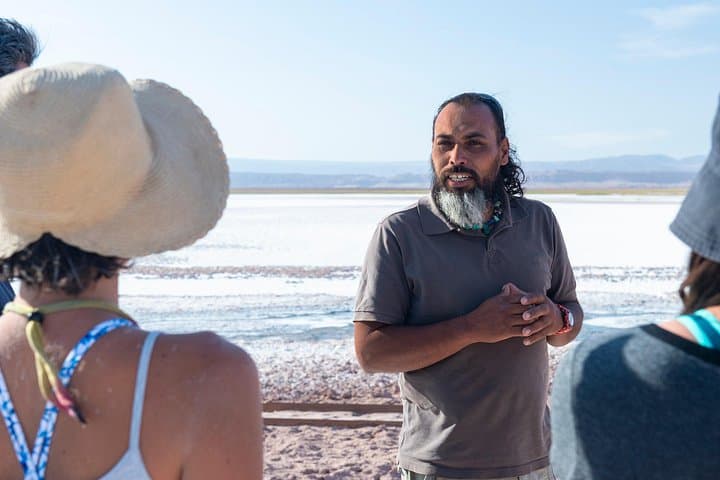
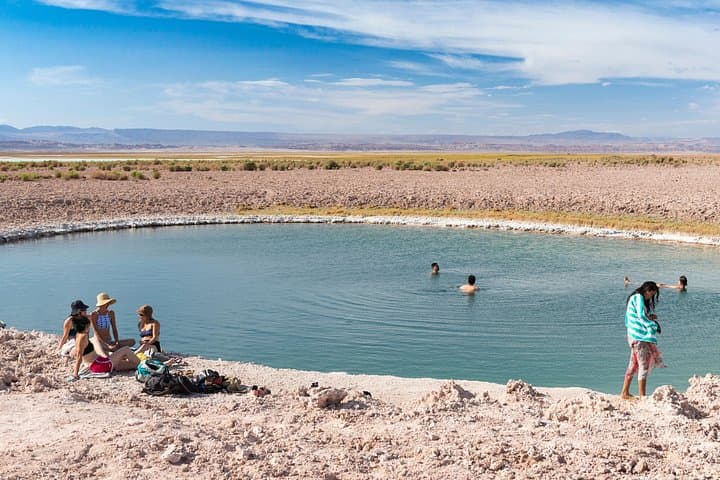
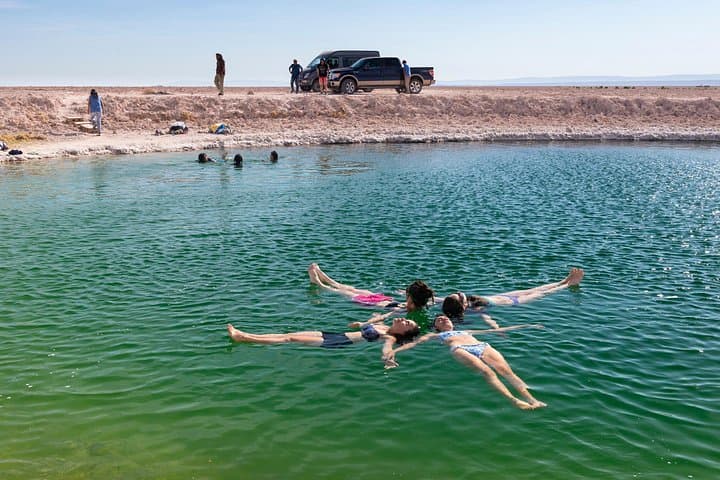
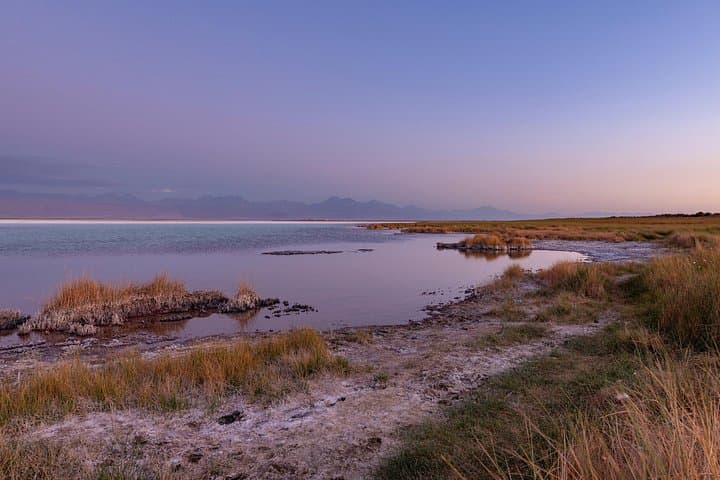
A low sun cuts across an iron-colored desert and the road opens onto sheets of white salt and glassy water. On a half-day loop from San Pedro de Atacama, travelers step from an air-conditioned van onto crystalline flats and into shallow, hyper-saline lagoons where buoyancy does the work; bodies settle and the wind moves like a patient narrator over the water.
A low sun cuts across an iron-colored desert and the road opens onto sheets of white salt and glassy water. On a half-day loop from San Pedro de Atacama, travelers step from an air-conditioned van onto crystalline flats and into shallow, hyper-saline lagoons where buoyancy does the work; bodies settle and the wind moves like a patient narrator over the water.
Geologically, these lagoons sit across the salt pans of the Salar de Atacama, a remnant of ancient inland seas where evaporites and microbial mats created hard white crusts. The region has long been inhabited by Likan Antai (Atacameño) communities whose water management and desert knowledge shaped oases across the valleys. Flamingos and other shorebirds rely on the shallow basins, and the lagoons’ mineral-rich waters have cultural and practical uses stretching back centuries.
Practically, the tour moves between Cejar and Tebenquiche lagoons with short walks across firm salt and small sandy patches. Expect 4–5 hours total, easy terrain, strong sunlight, and dramatic reflections at sunset. Bring a swimsuit and towel for floating, reef-safe sunscreen to protect wildlife, and shoes that handle salt crusts without soaking. Keep a safe distance from nesting birds and follow guides’ instructions about which pools are closed for conservation.
The experience balances quiet observation—birds turning the water into color—with tactical travel needs: hydration, sun protection, and timing your visit for calmer winds and golden light. It’s an accessible piece of Atacama’s raw logic: water daring you to float, desert pushing you to look closer.