THE ADVENTURE COLLECTIVE® · Independent discovery and booking for outdoor travel

Experience unparalleled night skies on a three-hour astronomical tour from San Pedro de Atacama. High-altitude clarity, expert guides and telescopes make this a top pick for photographers and curious stargazers alike.
Experience unparalleled night skies on a three-hour astronomical tour from San Pedro de Atacama. High-altitude clarity, expert guides and telescopes make this a top pick for photographers and curious stargazers alike.
Night drops over the Atacama and the sky opens like a map made of light. On this three-hour astronomical tour, the desert becomes a darkroom: guides set up high-quality telescopes, razor-sharp stars climb the zenith, and the Moon shows ridges that seem to step forward under magnification. The wind carries the cold cleanly; the Milky Way spills across the black with a clarity that dares you to look away.
Verified experiences and guided adventures in the surrounding area.
Operated by WHIPALA EXPEDITION · San Pedro de Atacama, Antofagasta Region
Night drops over the Atacama and the sky opens like a map made of light. On this three-hour astronomical tour, the desert becomes a darkroom: guides set up high-quality telescopes, razor-sharp stars climb the zenith, and the Moon shows ridges that seem to step forward under magnification. The wind carries the cold cleanly; the Milky Way spills across the black with a clarity that dares you to look away.
The Atacama's clarity is geological: extreme aridity, high altitude and minimal atmospheric water vapor combine to produce some of the best stargazing on Earth. San Pedro de Atacama sits amid salt flats, volcanic plateaus and pre-Columbian sites; local Atacameño communities have long oriented calendars by celestial cycles. Guides on these tours combine modern astrophotography with context—identifying constellations, discussing the Moon's phases, and explaining why the desert's elevation and lack of light pollution matter.
Practical matters are straightforward. Tours run about three hours and commonly include pickup and drop-off in San Pedro, hot drinks and snacks, and group photography sessions. Dress in warm layers, bring a headlamp with a red filter, and set expectations: telescope targets depend on the lunar phase and time of year. Cameras and tripods are recommended for long-exposure night shots; guides often assist with camera settings. Minors under 7 are generally not recommended; groups may divide by language. For low-impact travel, keep lights dim and follow guides' instructions to preserve night-sky quality. The result is equal parts science and wonder—an evening where the desert quiet heightens every star.
Most operators recommend children be at least 7 years old due to cold nighttime conditions and attention required during observations.
Tours typically last about three hours; many include pickup and drop-off in San Pedro de Atacama via air-conditioned vehicle.
Targets depend on the lunar phase and time of year; guides plan telescopes on visible planets, double stars and deep-sky objects but specific sights cannot be guaranteed.
Yes—individual and group astrophotography sessions are common. Bring a camera and tripod; guides usually assist with camera settings and framing.
WHIPALA EXPEDITION operates guided outdoor trips and adventures with an emphasis on safety, stewardship, and memorable experiences.
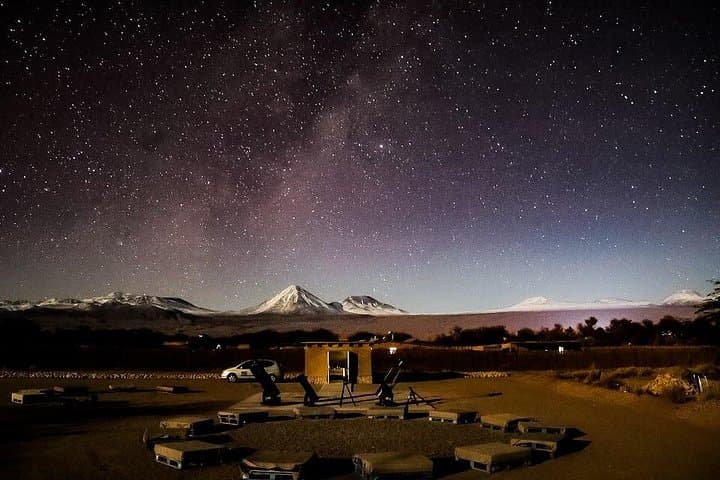
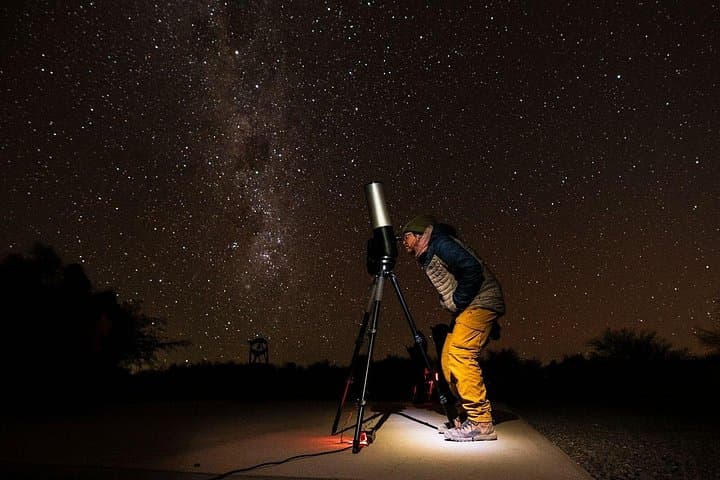
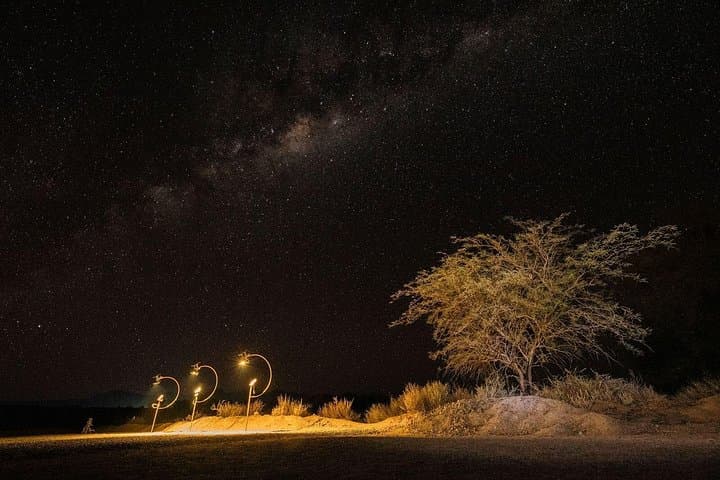
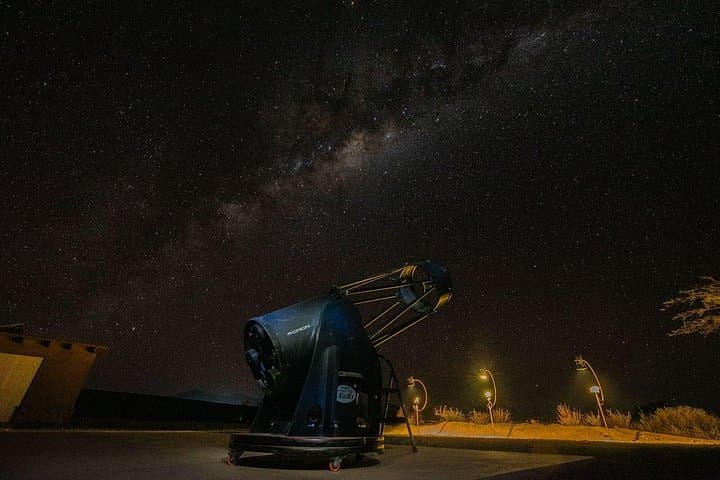
Night drops over the Atacama and the sky opens like a map made of light. On this three-hour astronomical tour, the desert becomes a darkroom: guides set up high-quality telescopes, razor-sharp stars climb the zenith, and the Moon shows ridges that seem to step forward under magnification. The wind carries the cold cleanly; the Milky Way spills across the black with a clarity that dares you to look away.
Night drops over the Atacama and the sky opens like a map made of light. On this three-hour astronomical tour, the desert becomes a darkroom: guides set up high-quality telescopes, razor-sharp stars climb the zenith, and the Moon shows ridges that seem to step forward under magnification. The wind carries the cold cleanly; the Milky Way spills across the black with a clarity that dares you to look away.
The Atacama's clarity is geological: extreme aridity, high altitude and minimal atmospheric water vapor combine to produce some of the best stargazing on Earth. San Pedro de Atacama sits amid salt flats, volcanic plateaus and pre-Columbian sites; local Atacameño communities have long oriented calendars by celestial cycles. Guides on these tours combine modern astrophotography with context—identifying constellations, discussing the Moon's phases, and explaining why the desert's elevation and lack of light pollution matter.
Practical matters are straightforward. Tours run about three hours and commonly include pickup and drop-off in San Pedro, hot drinks and snacks, and group photography sessions. Dress in warm layers, bring a headlamp with a red filter, and set expectations: telescope targets depend on the lunar phase and time of year. Cameras and tripods are recommended for long-exposure night shots; guides often assist with camera settings. Minors under 7 are generally not recommended; groups may divide by language. For low-impact travel, keep lights dim and follow guides' instructions to preserve night-sky quality. The result is equal parts science and wonder—an evening where the desert quiet heightens every star.