THE ADVENTURE COLLECTIVE® · Independent discovery and booking for outdoor travel

Stand beneath one of the clearest skies on Earth with indigenous astronomers guiding telescopes and stories at Alarkapin Observatory. This 2–3 hour night tour combines professional optics with Andean star lore for a layered experience of science and culture.
Stand beneath one of the clearest skies on Earth with indigenous astronomers guiding telescopes and stories at Alarkapin Observatory. This 2–3 hour night tour combines professional optics with Andean star lore for a layered experience of science and culture.
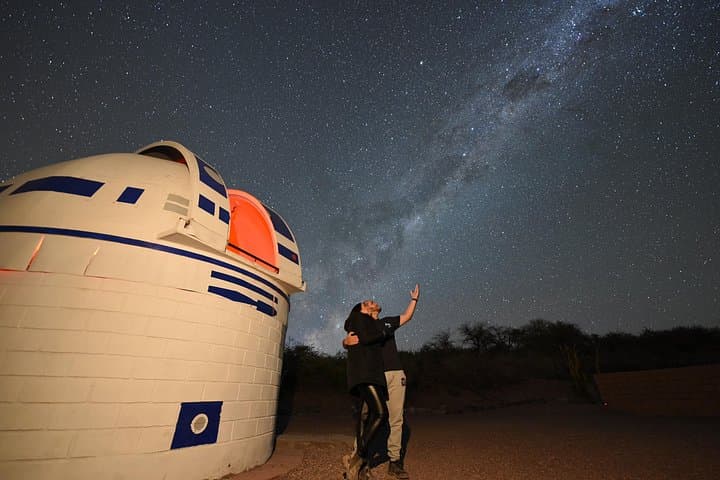
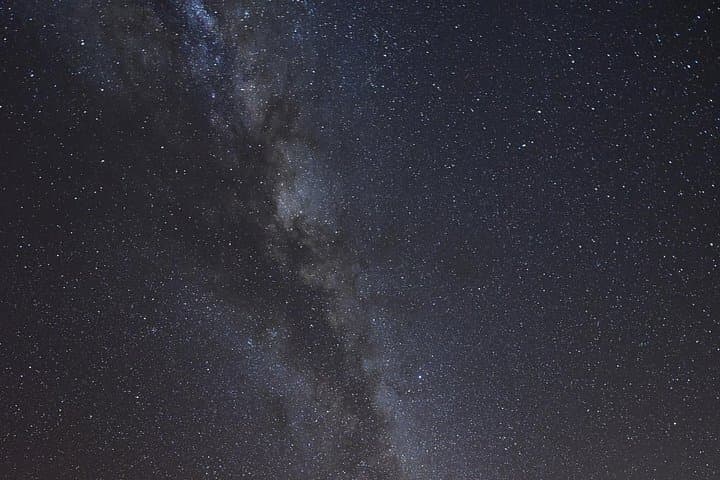
The desert air bites with a clean, dry cold as you step out of the van and the first stars prick the black. You’re a short drive from San Pedro de Atacama, standing on stony ground where the horizon opens wide and the Milky Way pours like a pale river overhead. Local astronomers at Alarkapin guide the night: they train professional telescopes upward while weaving ancestral stories that map constellations differently — a living dialogue of science and Andean cosmology.
Verified experiences and guided adventures in the surrounding area.
Operated by Anclatourchile · San Pedro de Atacama, Antofagasta
The desert air bites with a clean, dry cold as you step out of the van and the first stars prick the black. You’re a short drive from San Pedro de Atacama, standing on stony ground where the horizon opens wide and the Milky Way pours like a pale river overhead. Local astronomers at Alarkapin guide the night: they train professional telescopes upward while weaving ancestral stories that map constellations differently — a living dialogue of science and Andean cosmology.
The Atacama Desert’s geologic history — uplifted plateaus, salt flats and volcanic shoulders — creates skies with minimal moisture and almost no light pollution, making it one of the best stargazing sites worldwide. The Atacameño people used these same stars for seasonal calendars and ritual life; tonight’s guides will point out patterns that named seasons and navigation routes long before telescopes arrived.
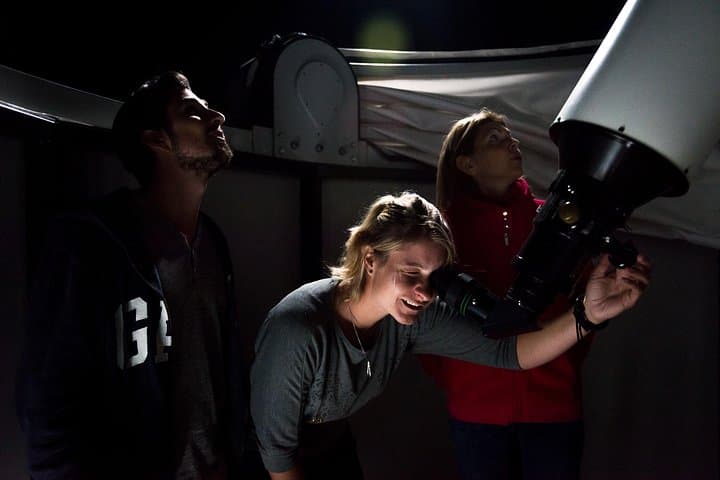
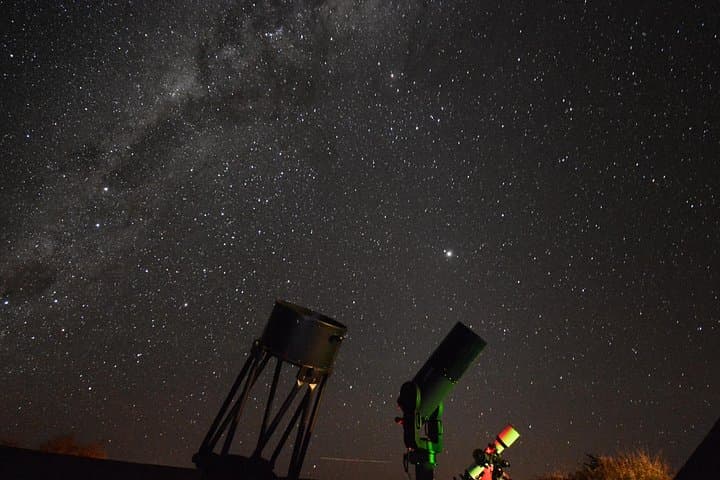
Expect a short desert transfer, a brief orientation and roughly two hours under the dome of stars. Telescopes reveal planets, nebulae and star clusters; guides alternate technical explanation with poetic context drawn from indigenous worldviews. Practical notes: nights are cold even in summer, the moon phase dramatically affects visibility, and the observatory limits group size for better viewing.
Bring layers, a red-light headlamp, and patience — the sky rewards slow looking. Photographers should plan ahead; astrophotography needs tripods and longer exposure time. Whether you come for scientific detail or cultural perspective, the tour is an intimate, grounded encounter with the southern sky.
Yes; the experience is family-friendly but children should be supervised and dressed warmly for night conditions.
The observatory may close for poor visibility or full-moon nights; check availability and cancellation policy when booking.
No — telescopes are provided, but compact binoculars can enhance wide-field views if you prefer.
Transfers are typically arranged from town; confirm pickup point and return time at booking.
Anclatourchile operates guided outdoor trips and adventures with an emphasis on safety, stewardship, and memorable experiences.
The desert air bites with a clean, dry cold as you step out of the van and the first stars prick the black. You’re a short drive from San Pedro de Atacama, standing on stony ground where the horizon opens wide and the Milky Way pours like a pale river overhead. Local astronomers at Alarkapin guide the night: they train professional telescopes upward while weaving ancestral stories that map constellations differently — a living dialogue of science and Andean cosmology.
The desert air bites with a clean, dry cold as you step out of the van and the first stars prick the black. You’re a short drive from San Pedro de Atacama, standing on stony ground where the horizon opens wide and the Milky Way pours like a pale river overhead. Local astronomers at Alarkapin guide the night: they train professional telescopes upward while weaving ancestral stories that map constellations differently — a living dialogue of science and Andean cosmology.
The Atacama Desert’s geologic history — uplifted plateaus, salt flats and volcanic shoulders — creates skies with minimal moisture and almost no light pollution, making it one of the best stargazing sites worldwide. The Atacameño people used these same stars for seasonal calendars and ritual life; tonight’s guides will point out patterns that named seasons and navigation routes long before telescopes arrived.
Expect a short desert transfer, a brief orientation and roughly two hours under the dome of stars. Telescopes reveal planets, nebulae and star clusters; guides alternate technical explanation with poetic context drawn from indigenous worldviews. Practical notes: nights are cold even in summer, the moon phase dramatically affects visibility, and the observatory limits group size for better viewing.
Bring layers, a red-light headlamp, and patience — the sky rewards slow looking. Photographers should plan ahead; astrophotography needs tripods and longer exposure time. Whether you come for scientific detail or cultural perspective, the tour is an intimate, grounded encounter with the southern sky.