THE ADVENTURE COLLECTIVE® · Independent discovery and booking for outdoor travel

A private half‑day drive along the Athens Riviera to Cape Sounion where the Temple of Poseidon crowns a windswept headland — combine classical ruins, coastal viewpoints and an optional swim for a compact seaside escape.
A private half‑day drive along the Athens Riviera to Cape Sounion where the Temple of Poseidon crowns a windswept headland — combine classical ruins, coastal viewpoints and an optional swim for a compact seaside escape.
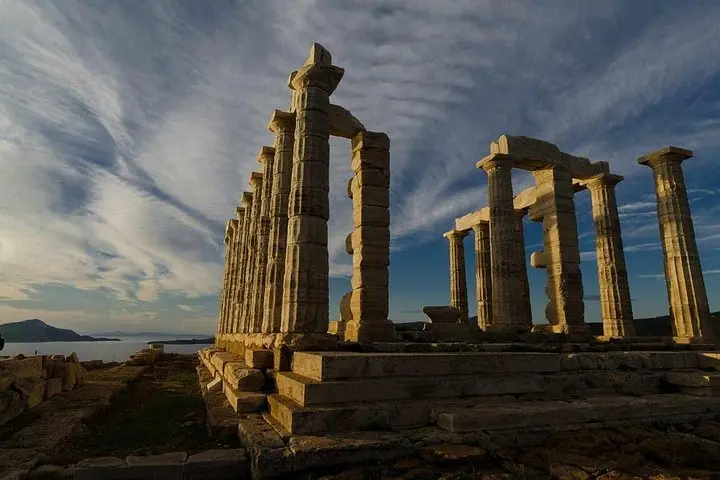
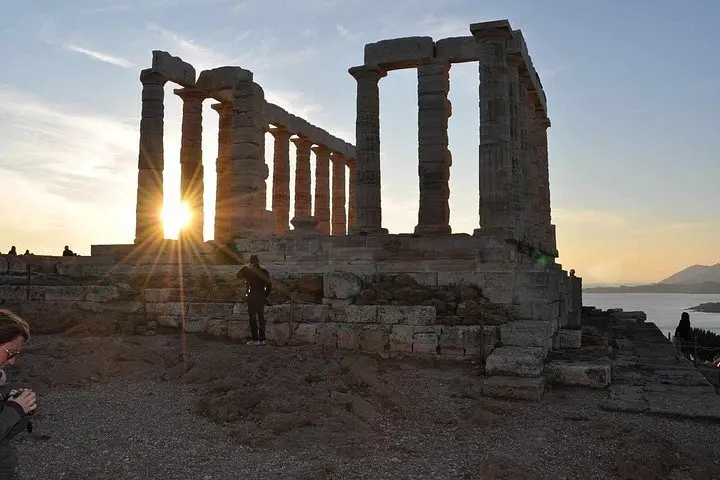
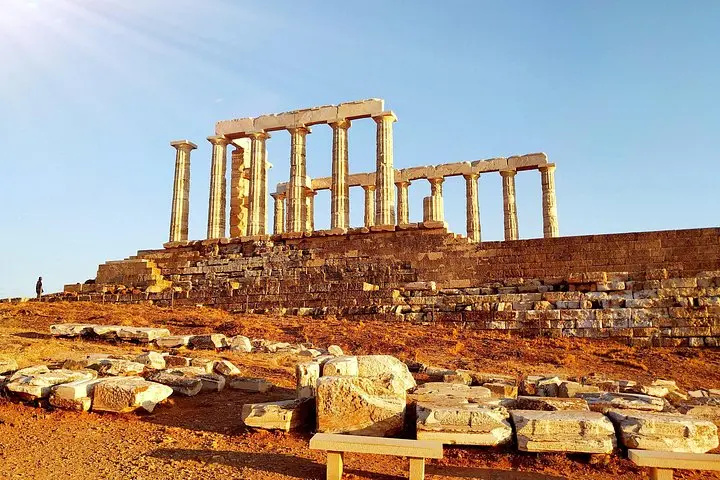
On the drive south from central Athens the coastline slides past — marinas and modern suburbs give way to low scrub and the bright sweep of the Aegean. By the time the road reaches the southeastern lip of Attica, the Temple of Poseidon perches on a limestone promontory with the sea rising and falling beneath it, daring visitors to stand at the same threshold ancient sailors once did.
Verified experiences and guided adventures in the surrounding area.
Operated by Greece Athens Transfers & Tours · Sounio, Attica
On the drive south from central Athens the coastline slides past — marinas and modern suburbs give way to low scrub and the bright sweep of the Aegean. By the time the road reaches the southeastern lip of Attica, the Temple of Poseidon perches on a limestone promontory with the sea rising and falling beneath it, daring visitors to stand at the same threshold ancient sailors once did.
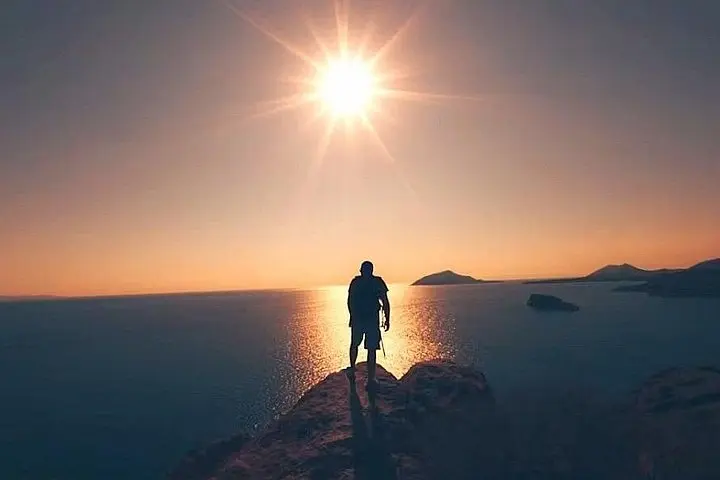
The temple you see today dates to the 5th century BCE and marks a strategic headland where classical mariners made offerings before long voyages. Geologically the cape is Cretaceous limestone scoured by wind and wave; from its ledges you can see the Saronic Gulf folding into the wider Aegean. Local culture mixes modern Riviera life — beach bars, yachts and seaside dining — with myth: Aegeus’ leap from the cliffs remains a stark narrative frame for the place.
Expect one hour at the archaeological site to walk among Doric columns and uneven stone; plan for picture stops at Vouliagmeni’s warm lagoon and a seaside swim at Varkiza if you book the extended option. Practicalities: tours run 4–6 hours, include private transport and bottled water, but archaeological admission is separate. Bring sun protection, a towel, sturdy sandals for ruins and a light layer for wind off the cape at sunset. Timing matters — arriving in late afternoon gives softer light and calmer crowds, while summer swims are best mid‑day. Keep to marked paths, carry small change for cafés, and remember that parking and access at the cape can be limited at peak times. This private route balances ancient ruins and Athenian coastal life for a concise, seaside day trip.
No — the tour stops at the site but general archaeological entrance fees are usually paid on site unless a skip‑the‑line ticket is booked separately.
Yes — private pickup and drop‑off from Athens hotels, ports or terminals is offered; confirm your pickup location when booking.
Swimming is available only if you select the extended 6‑hour option; bring a towel and swimwear as noted in the booking details.
Yes — the itinerary notes stroller access and infant seats, but be mindful of uneven ground at ruins and supervise children near cliffs and water.
Greece Athens Transfers & Tours operates guided outdoor trips and adventures with an emphasis on safety, stewardship, and memorable experiences.
On the drive south from central Athens the coastline slides past — marinas and modern suburbs give way to low scrub and the bright sweep of the Aegean. By the time the road reaches the southeastern lip of Attica, the Temple of Poseidon perches on a limestone promontory with the sea rising and falling beneath it, daring visitors to stand at the same threshold ancient sailors once did.
On the drive south from central Athens the coastline slides past — marinas and modern suburbs give way to low scrub and the bright sweep of the Aegean. By the time the road reaches the southeastern lip of Attica, the Temple of Poseidon perches on a limestone promontory with the sea rising and falling beneath it, daring visitors to stand at the same threshold ancient sailors once did.
The temple you see today dates to the 5th century BCE and marks a strategic headland where classical mariners made offerings before long voyages. Geologically the cape is Cretaceous limestone scoured by wind and wave; from its ledges you can see the Saronic Gulf folding into the wider Aegean. Local culture mixes modern Riviera life — beach bars, yachts and seaside dining — with myth: Aegeus’ leap from the cliffs remains a stark narrative frame for the place.
Expect one hour at the archaeological site to walk among Doric columns and uneven stone; plan for picture stops at Vouliagmeni’s warm lagoon and a seaside swim at Varkiza if you book the extended option. Practicalities: tours run 4–6 hours, include private transport and bottled water, but archaeological admission is separate. Bring sun protection, a towel, sturdy sandals for ruins and a light layer for wind off the cape at sunset. Timing matters — arriving in late afternoon gives softer light and calmer crowds, while summer swims are best mid‑day. Keep to marked paths, carry small change for cafés, and remember that parking and access at the cape can be limited at peak times. This private route balances ancient ruins and Athenian coastal life for a concise, seaside day trip.