THE ADVENTURE COLLECTIVE® · Independent discovery and booking for outdoor travel

Take a full-day Spanish-language trip from Athens to Meteora by train or bus, visiting panoramic viewpoints and entering three historic monasteries. Expect long travel times, cliff-top viewpoints, and strict dress codes for monastery entry.
Take a full-day Spanish-language trip from Athens to Meteora by train or bus, visiting panoramic viewpoints and entering three historic monasteries. Expect long travel times, cliff-top viewpoints, and strict dress codes for monastery entry.
You step off the train into thin, sharp air and the rock pillars rise around you like centuries-old sentinels, sunlight stripping their vertical faces clean. A Spanish-speaking guide meets you at Kalabaka station and within minutes the minivan threads a ribbon of road that reveals cliff-top monasteries clinging to wind-polished summits. The landscape compels slow turns of the head—each overlook delivers a different composition of stone, olive terraces and distant Thessalian plains.
Verified experiences and guided adventures in the surrounding area.
Operated by Meteora Thrones -Travel Center · Kalabaka, Thessaly
You step off the train into thin, sharp air and the rock pillars rise around you like centuries-old sentinels, sunlight stripping their vertical faces clean. A Spanish-speaking guide meets you at Kalabaka station and within minutes the minivan threads a ribbon of road that reveals cliff-top monasteries clinging to wind-polished summits. The landscape compels slow turns of the head—each overlook delivers a different composition of stone, olive terraces and distant Thessalian plains.
Meteora’s towers are a geological story: sandstone and conglomerate compressed and eroded over millions of years, sculpting columns used by hermits from the 11th century and later by monastic communities who built monasteries in the 14th–16th centuries. The monasteries themselves hold Byzantine frescoes and Orthodox relics, and local villages like Kastraki preserve the rural rhythms that supported the monks for centuries.
On a practical level expect a long day—train or bus travel one-way takes several hours and the guided visit includes panoramic stops and entry into three monasteries. Dress conservatively to enter religious sites; women need skirts to the knee or longer. Comfortable shoes are essential: many viewpoints require short walks and stair climbing. Bring water, a small daypack, and a charged phone for photos; WiFi is often available on the minivan. Plan timing around train schedules and allow flexibility for seasonal closures or crowding. If you want quieter light, target early spring or late afternoon visits. Respect restricted areas, follow your guide’s pacing, and carry cash for entrance fees or small donations—this is a visit where history, geology and living faith converge into a walkable, unforgettable landscape.
Some monasteries sell tickets on arrival; during high season or guided visits the operator often handles or advises on entrance logistics—have small cash ready.
Conservative dress is enforced: women must wear skirts to the knee or longer (no trousers), and men should avoid sleeveless shirts and shorts over the knee.
Suppliers are not responsible for train delays; guides will meet you at Kalabaka station and coordinate returns but check policies and allow extra time between connections.
Yes—infants can ride in strollers or sit on laps on trains; however be mindful of stairs and long travel days when deciding if it fits your family.
Meteora Thrones -Travel Center operates guided outdoor trips and adventures with an emphasis on safety, stewardship, and memorable experiences.
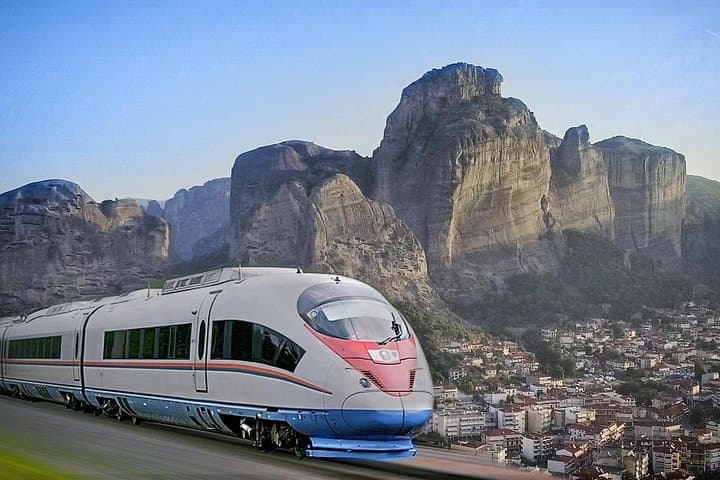
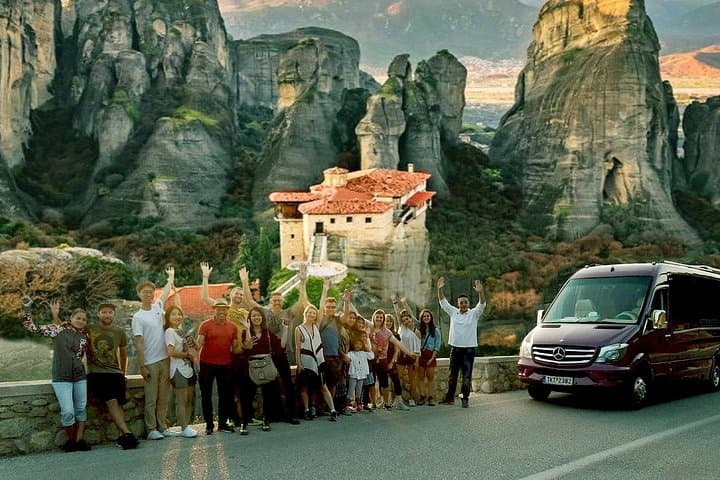
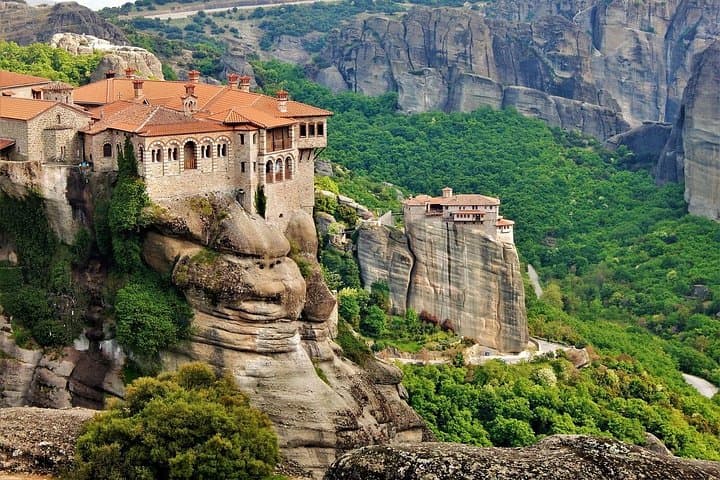
You step off the train into thin, sharp air and the rock pillars rise around you like centuries-old sentinels, sunlight stripping their vertical faces clean. A Spanish-speaking guide meets you at Kalabaka station and within minutes the minivan threads a ribbon of road that reveals cliff-top monasteries clinging to wind-polished summits. The landscape compels slow turns of the head—each overlook delivers a different composition of stone, olive terraces and distant Thessalian plains.
You step off the train into thin, sharp air and the rock pillars rise around you like centuries-old sentinels, sunlight stripping their vertical faces clean. A Spanish-speaking guide meets you at Kalabaka station and within minutes the minivan threads a ribbon of road that reveals cliff-top monasteries clinging to wind-polished summits. The landscape compels slow turns of the head—each overlook delivers a different composition of stone, olive terraces and distant Thessalian plains.
Meteora’s towers are a geological story: sandstone and conglomerate compressed and eroded over millions of years, sculpting columns used by hermits from the 11th century and later by monastic communities who built monasteries in the 14th–16th centuries. The monasteries themselves hold Byzantine frescoes and Orthodox relics, and local villages like Kastraki preserve the rural rhythms that supported the monks for centuries.
On a practical level expect a long day—train or bus travel one-way takes several hours and the guided visit includes panoramic stops and entry into three monasteries. Dress conservatively to enter religious sites; women need skirts to the knee or longer. Comfortable shoes are essential: many viewpoints require short walks and stair climbing. Bring water, a small daypack, and a charged phone for photos; WiFi is often available on the minivan. Plan timing around train schedules and allow flexibility for seasonal closures or crowding. If you want quieter light, target early spring or late afternoon visits. Respect restricted areas, follow your guide’s pacing, and carry cash for entrance fees or small donations—this is a visit where history, geology and living faith converge into a walkable, unforgettable landscape.