THE ADVENTURE COLLECTIVE® · Independent discovery and booking for outdoor travel

Drive from Athens into a landscape of towering sandstone pillars, then climb into centuries-old monasteries perched on sheer cliffs. This full-day private tour blends geology, Byzantine history and practical hiking to deliver a concentrated Meteora experience.
Drive from Athens into a landscape of towering sandstone pillars, then climb into centuries-old monasteries perched on sheer cliffs. This full-day private tour blends geology, Byzantine history and practical hiking to deliver a concentrated Meteora experience.
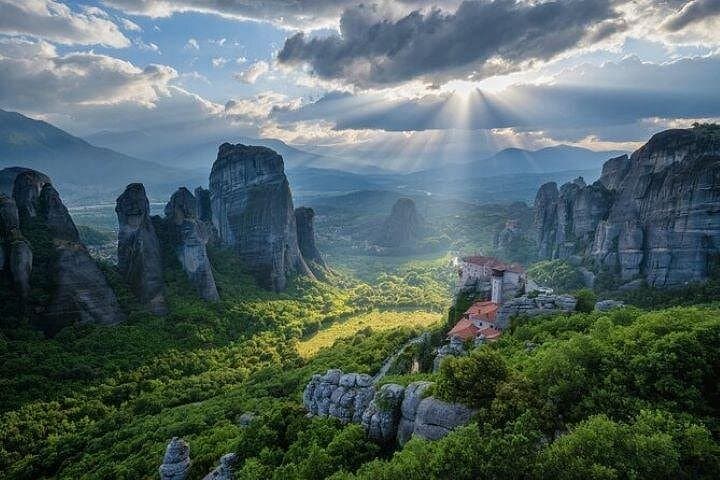
You arrive before the sun climbs fully over the Thessalian plain, and the sandstone pillars of Meteora silhouette like ancient totems against a pale sky. The road from Athens unfurls through olive groves and low hills; by midmorning you’re threading narrow mountain lanes with sheer rock faces pressing in on either side and the monasteries high above like towns on stilts.
Verified experiences and guided adventures in the surrounding area.
Operated by Greece Travel Experts · Kalambaka, Thessaly
You arrive before the sun climbs fully over the Thessalian plain, and the sandstone pillars of Meteora silhouette like ancient totems against a pale sky. The road from Athens unfurls through olive groves and low hills; by midmorning you’re threading narrow mountain lanes with sheer rock faces pressing in on either side and the monasteries high above like towns on stilts.
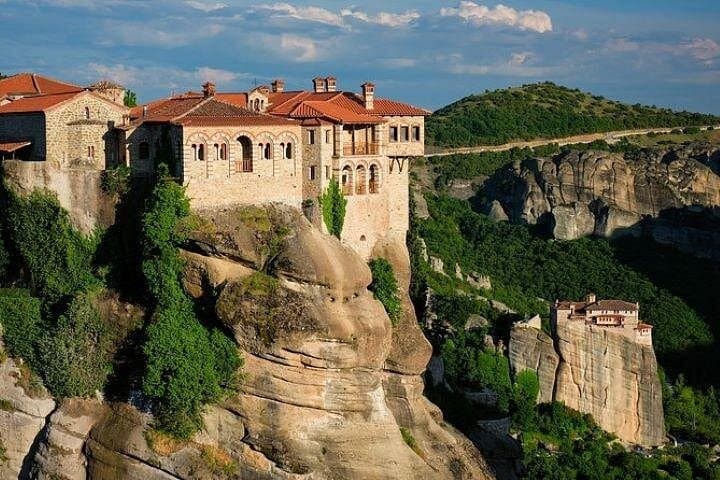
Geology here is blunt and obvious: conglomerate rock weathered into towering columns over millions of years, shaped by wind, water and seismic shifts. Human history answers that rugged geology — Orthodox monks sought these inaccessible summits from the 11th century onward, carving monasteries and stairways into the cliffs. The Great Meteoron, Varlaam, Roussanou and Holy Trinity each show Byzantine fresco work, austere cells and tight courtyards that read as both refuge and observatory.
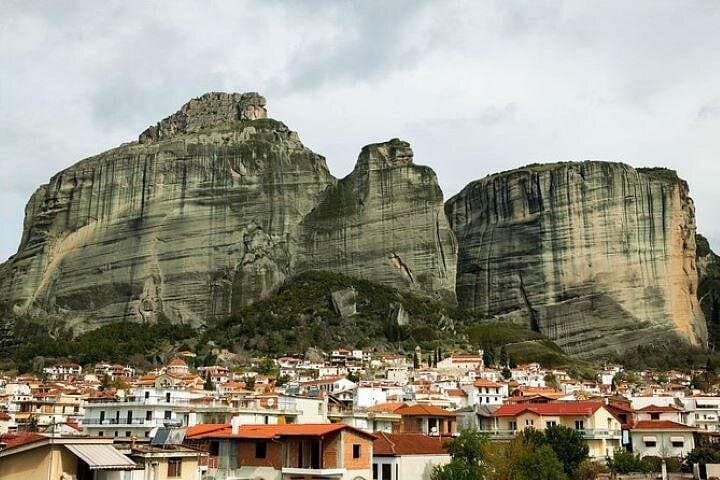
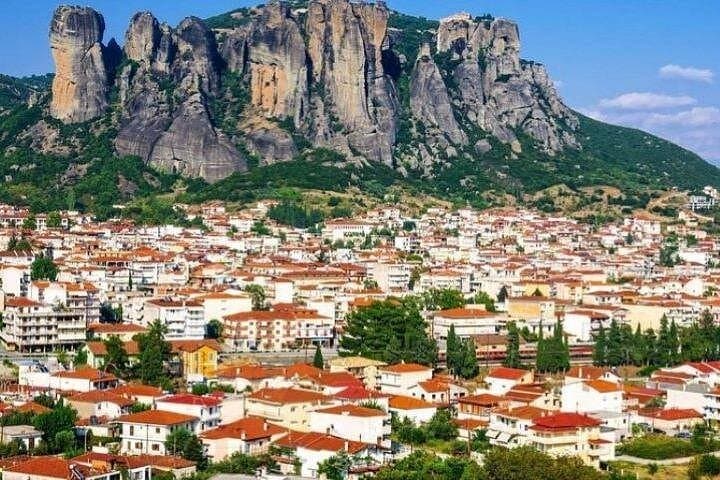
Kastraki village at the base offers stone houses and tavernas — an easy place to pause. Nearby the Theopetra cave contains hominin footprints and Paleolithic layers, a reminder that humans have interacted with this landscape for tens of thousands of years.
Practical guidance: expect a long, full-day outing (about 9–10 hours including drive time). Wear sturdy walking shoes—monastery approaches are paved but steep—and carry water, sun protection and modest clothing for religious sites. Photography is allowed in many areas but observe signage and quiet zones. Your private vehicle gives flexibility: visit two to four monasteries, explore Kastraki, and stop at view overlooks for sweeping panoramas. Plan for early pickup from Athens and a relaxed pace on return — Meteora is best seen slowly, one cliff at a time.
Expect approximately 4–5 hours round trip driving time each way depending on traffic; the full-day tour runs about 9–10 hours including stops.
Some monastery admission fees are usually paid on-site; check the tour details or bring small euros for entry.
The itinerary notes stroller-accessible transport and infant seats available, but monastery stairways limit access for strollers and very small children.
Photography rules vary—some interiors allow photos without flash, others restrict images of certain icons; follow onsite signage and staff instructions.
Greece Travel Experts operates guided outdoor trips and adventures with an emphasis on safety, stewardship, and memorable experiences.
You arrive before the sun climbs fully over the Thessalian plain, and the sandstone pillars of Meteora silhouette like ancient totems against a pale sky. The road from Athens unfurls through olive groves and low hills; by midmorning you’re threading narrow mountain lanes with sheer rock faces pressing in on either side and the monasteries high above like towns on stilts.
You arrive before the sun climbs fully over the Thessalian plain, and the sandstone pillars of Meteora silhouette like ancient totems against a pale sky. The road from Athens unfurls through olive groves and low hills; by midmorning you’re threading narrow mountain lanes with sheer rock faces pressing in on either side and the monasteries high above like towns on stilts.
Geology here is blunt and obvious: conglomerate rock weathered into towering columns over millions of years, shaped by wind, water and seismic shifts. Human history answers that rugged geology — Orthodox monks sought these inaccessible summits from the 11th century onward, carving monasteries and stairways into the cliffs. The Great Meteoron, Varlaam, Roussanou and Holy Trinity each show Byzantine fresco work, austere cells and tight courtyards that read as both refuge and observatory.
Kastraki village at the base offers stone houses and tavernas — an easy place to pause. Nearby the Theopetra cave contains hominin footprints and Paleolithic layers, a reminder that humans have interacted with this landscape for tens of thousands of years.
Practical guidance: expect a long, full-day outing (about 9–10 hours including drive time). Wear sturdy walking shoes—monastery approaches are paved but steep—and carry water, sun protection and modest clothing for religious sites. Photography is allowed in many areas but observe signage and quiet zones. Your private vehicle gives flexibility: visit two to four monasteries, explore Kastraki, and stop at view overlooks for sweeping panoramas. Plan for early pickup from Athens and a relaxed pace on return — Meteora is best seen slowly, one cliff at a time.