THE ADVENTURE COLLECTIVE® · Independent discovery and booking for outdoor travel

Ride the Gillies Range to volcanic lakes, dine in historic Yungaburra, and then head into the world of nocturnal rainforest life. This small-group evening tour from Cairns specializes in close-up encounters with platypus, tree-kangaroos and other rare wildlife.
Ride the Gillies Range to volcanic lakes, dine in historic Yungaburra, and then head into the world of nocturnal rainforest life. This small-group evening tour from Cairns specializes in close-up encounters with platypus, tree-kangaroos and other rare wildlife.
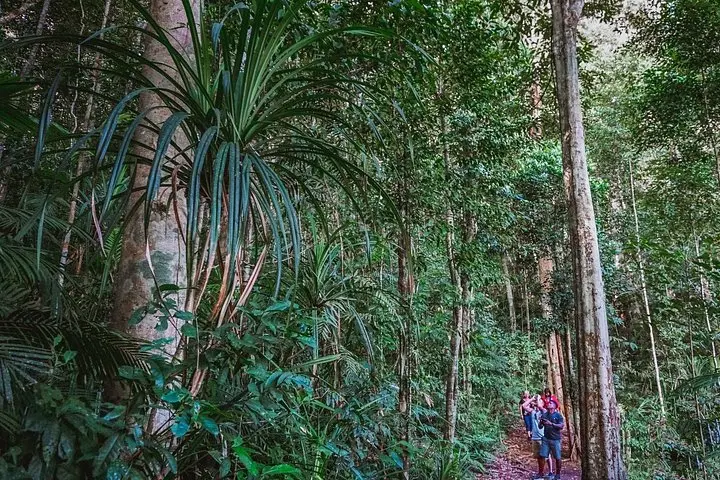
The van peels away from Cairns at midday and the city’s humidity thins as the road climbs the Gillies Range. You feel the rise before you see it: the air cools, eucalypts give way to broad-leaf rainforest and the world narrows to the hiss of tires and the guide’s low commentary. By afternoon the group is sitting on the verandah at Lake Barrine, tea steaming in hand, watching a glassy volcanic crater reflect the understorey light. This is the slow breath before night—when the Tablelands rearrange their order and the animals that avoid daytime crowds begin to move.
Verified experiences and guided adventures in the surrounding area.
Operated by Wait-a-While Rainforest Tours · Yungaburra, Queensland
The van peels away from Cairns at midday and the city’s humidity thins as the road climbs the Gillies Range. You feel the rise before you see it: the air cools, eucalypts give way to broad-leaf rainforest and the world narrows to the hiss of tires and the guide’s low commentary. By afternoon the group is sitting on the verandah at Lake Barrine, tea steaming in hand, watching a glassy volcanic crater reflect the understorey light. This is the slow breath before night—when the Tablelands rearrange their order and the animals that avoid daytime crowds begin to move.
The Atherton Tablelands are a product of ancient fire and more recent firewalls: volcanic eruptions birthed crater lakes like Barrine and Eacham and left behind soils that feed some of Australia’s oldest tropical rainforest. European settlement in the late 19th century created villages such as Yungaburra—its timber hotel built in 1910 still serving hearty meals and local beer—while Indigenous communities retain deep cultural ties to the land and waterways that feed the rainforest’s food web.
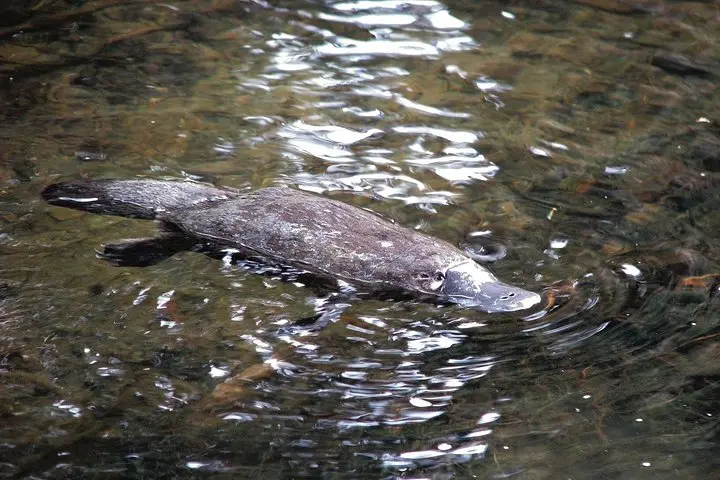
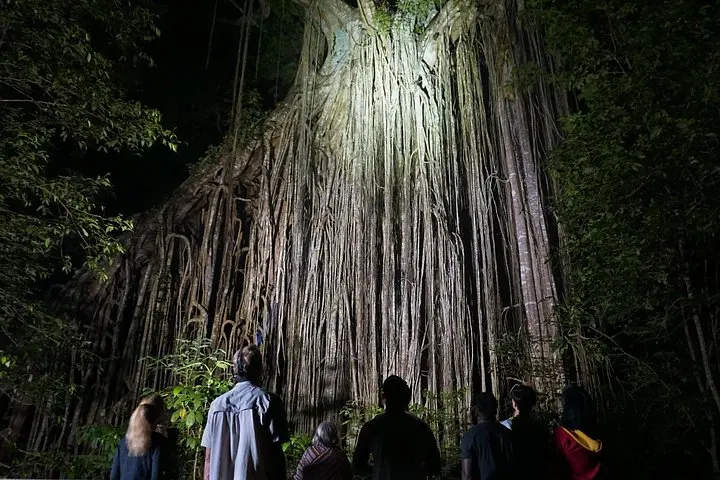
On this eight‑hour small-group tour the itinerary threads geology, culture and wildlife into one evening: a slow boardwalk at Lake Barrine to scan for forest dragons and musky rat-kangaroos, a country-dinner stop in heritage Yungaburra, then spotlighting along quiet streams and trails as dusk thickens. The guide will focus on a handful of reliable spots—creeks where platypus feed at dusk, low ridges where Lumholtz’s tree-kangaroos move between trees, and the Curtain Fig, a colossal strangler fig that dominates its clearing.
Expect short, uneven walking on dirt and boardwalks—nothing technical, but low light makes footing trickier. The tour climbs roughly 600–800 m from Cairns across the Gillies Range, so layers are essential: nights on the plateau can be surprisingly cool. Binoculars and a spotlight are provided, but a telephoto lens and a fast camera help if you want crisp wildlife frames. Guides aim for high sighting rates—platypus are spotted on most departures—but wildlife is never guaranteed.
Practical notes: hotel pickup across Cairns is included (call morning of the tour to confirm your exact time), the group size is small (max ~11), and the operator provides rain ponchos and reference guides. Bring insect repellent, closed-toe shoes and a jacket for after dark, and temper expectations for visibility—many of the animals are shy and best observed quietly from a short distance. If you go prepared, an evening here offers not just animal sightings but the rare sensation of walking inside an ancient rainforest that wakes up as the stars come out.
The full experience is about eight hours: afternoon pickup in Cairns, late-afternoon visit to Lake Barrine, dinner in Yungaburra, then spotlighting into the night before returning to Cairns.
Guides report high sighting rates (around 80–90%), especially at dusk, but wildlife sightings can never be guaranteed—weather and water conditions affect activity.
Yes—children must be accompanied by an adult; the tour involves some walking and late hours, so consider your child’s tolerance for an evening outing.
Yes—binoculars, spotlighting gear and rain ponchos are supplied, though you may prefer to bring your own optics or camera gear.
Dinner and afternoon tea are included; bring a refillable water bottle for the vehicle and any personal snacks you prefer.
The tour includes boardwalks and short uneven walks; it’s not recommended for those with significant mobility restrictions—contact the operator to discuss accessibility options.
Wait-a-While Rainforest Tours operates guided outdoor trips and adventures with an emphasis on safety, stewardship, and memorable experiences.
The van peels away from Cairns at midday and the city’s humidity thins as the road climbs the Gillies Range. You feel the rise before you see it: the air cools, eucalypts give way to broad-leaf rainforest and the world narrows to the hiss of tires and the guide’s low commentary. By afternoon the group is sitting on the verandah at Lake Barrine, tea steaming in hand, watching a glassy volcanic crater reflect the understorey light. This is the slow breath before night—when the Tablelands rearrange their order and the animals that avoid daytime crowds begin to move.
The van peels away from Cairns at midday and the city’s humidity thins as the road climbs the Gillies Range. You feel the rise before you see it: the air cools, eucalypts give way to broad-leaf rainforest and the world narrows to the hiss of tires and the guide’s low commentary. By afternoon the group is sitting on the verandah at Lake Barrine, tea steaming in hand, watching a glassy volcanic crater reflect the understorey light. This is the slow breath before night—when the Tablelands rearrange their order and the animals that avoid daytime crowds begin to move.
The Atherton Tablelands are a product of ancient fire and more recent firewalls: volcanic eruptions birthed crater lakes like Barrine and Eacham and left behind soils that feed some of Australia’s oldest tropical rainforest. European settlement in the late 19th century created villages such as Yungaburra—its timber hotel built in 1910 still serving hearty meals and local beer—while Indigenous communities retain deep cultural ties to the land and waterways that feed the rainforest’s food web.
On this eight‑hour small-group tour the itinerary threads geology, culture and wildlife into one evening: a slow boardwalk at Lake Barrine to scan for forest dragons and musky rat-kangaroos, a country-dinner stop in heritage Yungaburra, then spotlighting along quiet streams and trails as dusk thickens. The guide will focus on a handful of reliable spots—creeks where platypus feed at dusk, low ridges where Lumholtz’s tree-kangaroos move between trees, and the Curtain Fig, a colossal strangler fig that dominates its clearing.
Expect short, uneven walking on dirt and boardwalks—nothing technical, but low light makes footing trickier. The tour climbs roughly 600–800 m from Cairns across the Gillies Range, so layers are essential: nights on the plateau can be surprisingly cool. Binoculars and a spotlight are provided, but a telephoto lens and a fast camera help if you want crisp wildlife frames. Guides aim for high sighting rates—platypus are spotted on most departures—but wildlife is never guaranteed.
Practical notes: hotel pickup across Cairns is included (call morning of the tour to confirm your exact time), the group size is small (max ~11), and the operator provides rain ponchos and reference guides. Bring insect repellent, closed-toe shoes and a jacket for after dark, and temper expectations for visibility—many of the animals are shy and best observed quietly from a short distance. If you go prepared, an evening here offers not just animal sightings but the rare sensation of walking inside an ancient rainforest that wakes up as the stars come out.