THE ADVENTURE COLLECTIVE® · Independent discovery and booking for outdoor travel

Trace the streets where the Civil Rights Movement organized and the present‑day Black cultural economy thrives. This four‑hour tour moves through Sweet Auburn, Old Fourth Ward, West End and historic HBCU campuses—mixing short walks, local stories and photo stops.
Trace the streets where the Civil Rights Movement organized and the present‑day Black cultural economy thrives. This four‑hour tour moves through Sweet Auburn, Old Fourth Ward, West End and historic HBCU campuses—mixing short walks, local stories and photo stops.
The tour begins where the city gathers: a curbside at the Marriott Marquis, engines humming and the downtown skyline folding itself into the windshield. You step onto an air‑conditioned van and the guide, voice measured and sharp, taps a folded map—today’s route runs like a spine through neighborhoods that cradled a movement. Street murals lean toward the road as if to listen; magnolia and live oak shade stoops where decades of conversation shaped national change.
Verified experiences and guided adventures in the surrounding area.
Operated by Roundabout Atlanta Tours & Transportation · Atlanta, Georgia
The tour begins where the city gathers: a curbside at the Marriott Marquis, engines humming and the downtown skyline folding itself into the windshield. You step onto an air‑conditioned van and the guide, voice measured and sharp, taps a folded map—today’s route runs like a spine through neighborhoods that cradled a movement. Street murals lean toward the road as if to listen; magnolia and live oak shade stoops where decades of conversation shaped national change.
Over four hours you pass the heartbeats of Atlanta—Sweet Auburn, the Old Fourth Ward, the West End—places that kept ideas moving like a current. Here, history is visible in brick and brownstone: Ebenezer Baptist Church and the King Center, Morehouse and Spelman College with their stoic columns, and the rows of Victorian homes that once housed ministers, teachers and organizers. The story folds in stages—post‑Reconstruction prosperity, Jim Crow resistance, the convulsive strategy of the Civil Rights era and today’s creative economy with Tyler Perry Studios reworking the city’s narrative into film and television.
Geology is quieter but present: Atlanta sits on the Piedmont plateau, where red clay soils and gentle hills determined settlement patterns and, later, the routes of streetcars and highways that shaped segregation and integration alike. Culture here is tactile—soul food counters, barbershop walls full of photos, and the steady cadence of spoken word at local arts venues. The tour doesn’t just point; it stops at photo spots, passes significant government buildings and gives time for a quick walk through West End’s murals and the MLK National Historical Park.
Practicalities matter. The tour runs roughly four hours with 3–5 short stops and one longer stop for lunch or exploration. Pickup is curbside at the Marriott Marquis (arrive 15–30 minutes early); vehicles are air‑conditioned and accessible for strollers and many mobility needs. Bring comfortable shoes—the walking at stops is brief but on urban sidewalks—plus a water bottle and portable charger. Tours operate in light rain; for severe weather the operator will notify you. Expect conversation that mixes civic history with local contemporary life—respectful questions and photo etiquette are recommended at churches and homes.
This is not a museum tour but a living city tour: you’ll leave with names of neighborhoods to revisit, dishes to try and a clearer picture of how Atlanta became a center for Black education, entrepreneurship and culture. The practical edge is simple—book morning slots for softer light at mural stops, pack patience for traffic, and plan an extra afternoon to dig deeper into any neighborhood that sparks you.
Pickup and drop‑off are curbside at the Atlanta Marriott Marquis (Downtown); arrive 15–30 minutes early for check‑in.
Yes—strollers are accessible and the tour is family‑friendly, though some stops include short walks on sidewalks.
No admission is included; the tour focuses on outdoor landmarks and neighborhood stops with time for photos and a lunch break.
Vehicles are generally accessible and much of the route is viewable from the curb; contact the operator ahead to discuss specific mobility needs.
Generally conducted in English; inquire with the operator about alternative language options or private tours.
Full refunds are available if you cancel at least 24 hours before departure; tours may be canceled for extreme weather or insufficient travelers.
Roundabout Atlanta Tours & Transportation operates guided outdoor trips and adventures with an emphasis on safety, stewardship, and memorable experiences.
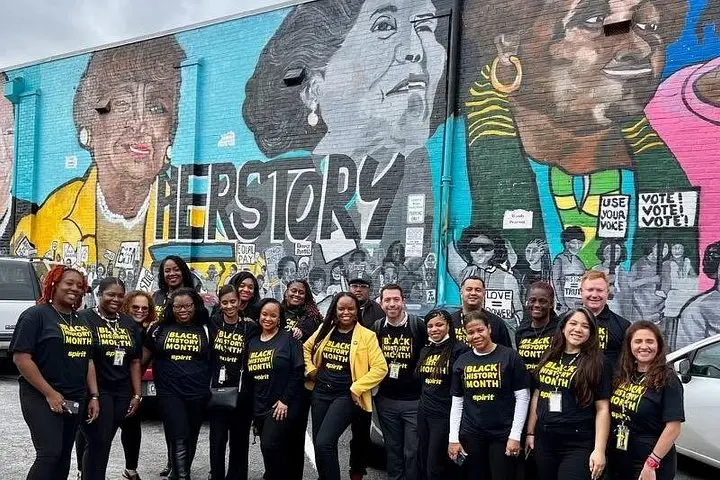
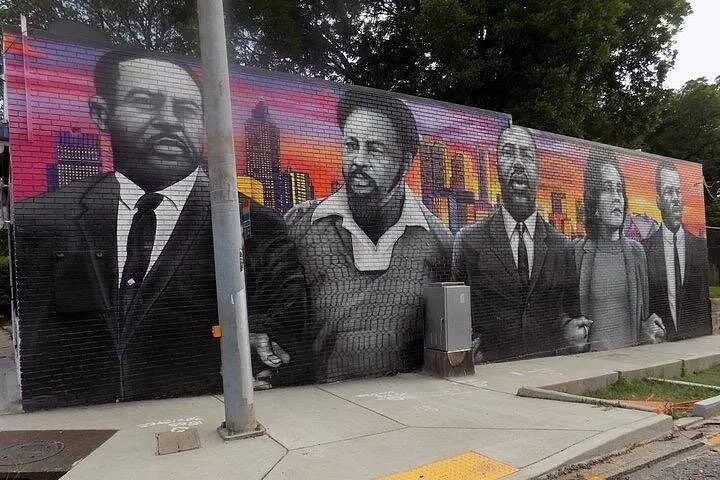
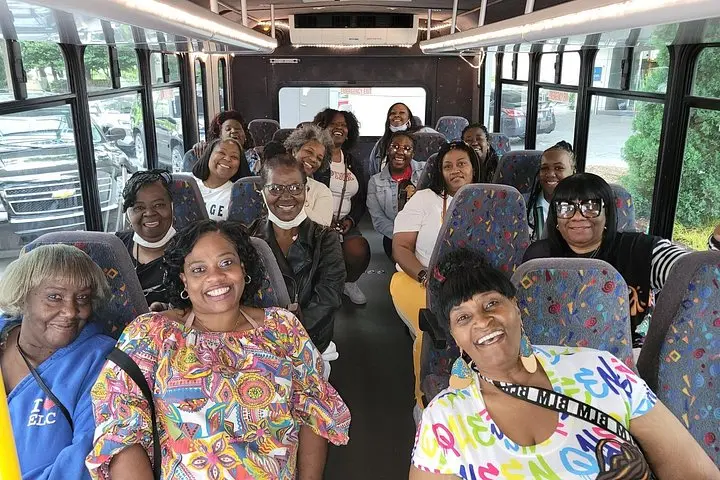
The tour begins where the city gathers: a curbside at the Marriott Marquis, engines humming and the downtown skyline folding itself into the windshield. You step onto an air‑conditioned van and the guide, voice measured and sharp, taps a folded map—today’s route runs like a spine through neighborhoods that cradled a movement. Street murals lean toward the road as if to listen; magnolia and live oak shade stoops where decades of conversation shaped national change.
The tour begins where the city gathers: a curbside at the Marriott Marquis, engines humming and the downtown skyline folding itself into the windshield. You step onto an air‑conditioned van and the guide, voice measured and sharp, taps a folded map—today’s route runs like a spine through neighborhoods that cradled a movement. Street murals lean toward the road as if to listen; magnolia and live oak shade stoops where decades of conversation shaped national change.
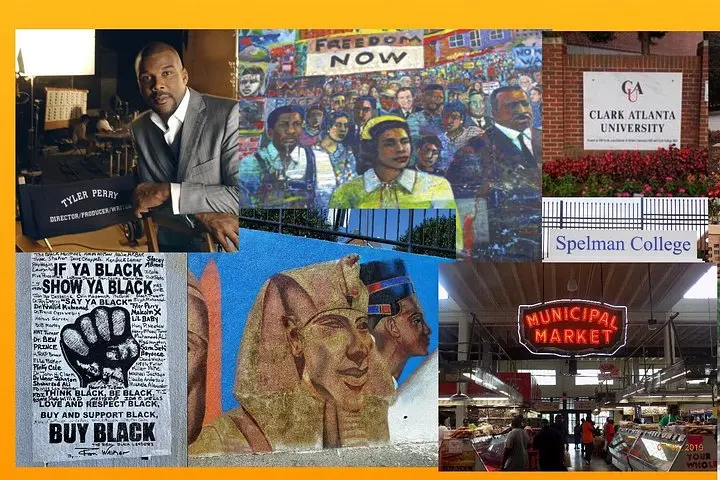
Over four hours you pass the heartbeats of Atlanta—Sweet Auburn, the Old Fourth Ward, the West End—places that kept ideas moving like a current. Here, history is visible in brick and brownstone: Ebenezer Baptist Church and the King Center, Morehouse and Spelman College with their stoic columns, and the rows of Victorian homes that once housed ministers, teachers and organizers. The story folds in stages—post‑Reconstruction prosperity, Jim Crow resistance, the convulsive strategy of the Civil Rights era and today’s creative economy with Tyler Perry Studios reworking the city’s narrative into film and television.
Geology is quieter but present: Atlanta sits on the Piedmont plateau, where red clay soils and gentle hills determined settlement patterns and, later, the routes of streetcars and highways that shaped segregation and integration alike. Culture here is tactile—soul food counters, barbershop walls full of photos, and the steady cadence of spoken word at local arts venues. The tour doesn’t just point; it stops at photo spots, passes significant government buildings and gives time for a quick walk through West End’s murals and the MLK National Historical Park.
Practicalities matter. The tour runs roughly four hours with 3–5 short stops and one longer stop for lunch or exploration. Pickup is curbside at the Marriott Marquis (arrive 15–30 minutes early); vehicles are air‑conditioned and accessible for strollers and many mobility needs. Bring comfortable shoes—the walking at stops is brief but on urban sidewalks—plus a water bottle and portable charger. Tours operate in light rain; for severe weather the operator will notify you. Expect conversation that mixes civic history with local contemporary life—respectful questions and photo etiquette are recommended at churches and homes.
This is not a museum tour but a living city tour: you’ll leave with names of neighborhoods to revisit, dishes to try and a clearer picture of how Atlanta became a center for Black education, entrepreneurship and culture. The practical edge is simple—book morning slots for softer light at mural stops, pack patience for traffic, and plan an extra afternoon to dig deeper into any neighborhood that sparks you.