THE ADVENTURE COLLECTIVE® · Independent discovery and booking for outdoor travel

Learn Roman pasta techniques in a small-group Atlanta kitchen: handmade fettuccine, authentic carbonara, marinated sides and classic tiramisu. This three-hour, BYOB-friendly workshop mixes hands-on instruction with practical plating and take-home skills.
Learn Roman pasta techniques in a small-group Atlanta kitchen: handmade fettuccine, authentic carbonara, marinated sides and classic tiramisu. This three-hour, BYOB-friendly workshop mixes hands-on instruction with practical plating and take-home skills.
The room smells of hot olive oil and espresso; a chef’s voice cuts through the hum of conversation as flour dusts the countertop like fine dust from a quarry. You stand at a shared workstation in a bright Atlanta kitchen, hands learning the rhythm of folding dough and balancing salt against the brightness of tomato and basil.
Verified experiences and guided adventures in the surrounding area.
Operated by Cozymeal Cooking Classes · Atlanta, Georgia
The room smells of hot olive oil and espresso; a chef’s voice cuts through the hum of conversation as flour dusts the countertop like fine dust from a quarry. You stand at a shared workstation in a bright Atlanta kitchen, hands learning the rhythm of folding dough and balancing salt against the brightness of tomato and basil.
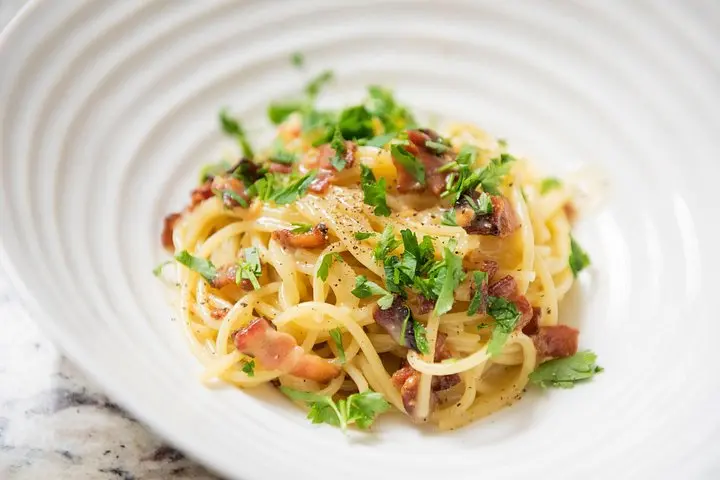
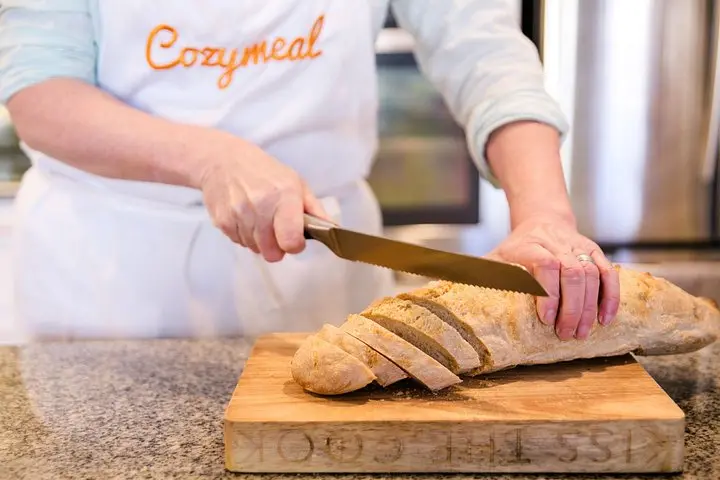
Atlanta sits on the Piedmont’s red clay—its soils and markets shaped by a history of Southern agriculture, migration and waves of immigrant kitchens that layered new flavors onto old ingredients. Italian techniques in the city have been adapted to local produce, from tomatoes ripened in Georgia heat to farm eggs that make a silkier carbonara. The class connects Roman recipes—bruschetta, handmade fettuccine alla carbonara, marinated zucchini, tiramisu—with Atlanta’s lively food culture and accessible ingredient sources.
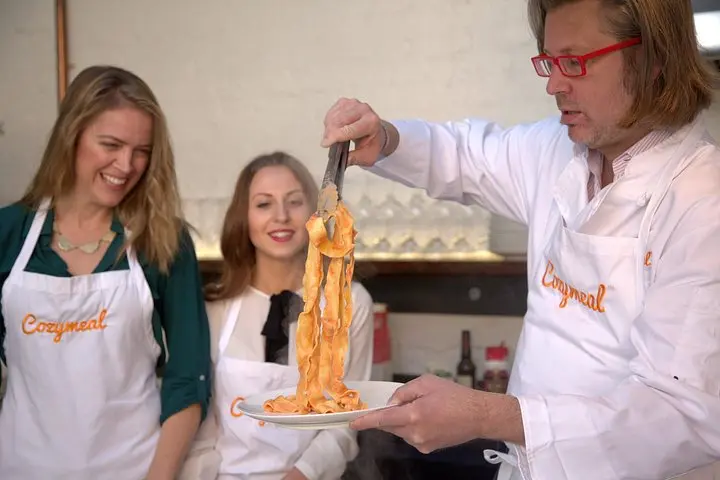
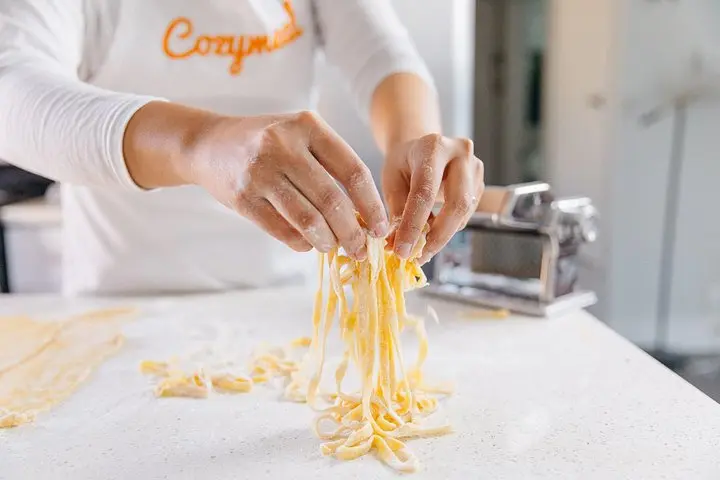
Expect a three-hour, hands-on workshop aimed at home cooks: step-by-step pasta rolling and sauce assembly, plating tips, and a guided meal where you taste what you made. The session is small-group and BYOB-friendly, so pacing is conversational and practical—chefs demonstrate technique, then circulate to correct grip, heat, and timing.
Practical tips: arrive hungry and on time, wear closed-toe shoes, and notify instructors of allergies ahead of time. Take notes on ingredient substitutions and bring a container if you want leftovers. The class is as useful as it is pleasurable—leave with skills to recreate the Roman dishes and an understanding of how Atlanta’s local markets can supply authentic, seasonal flavor.
Yes—hosts request dietary needs at booking and will adapt elements where possible; notify them early to ensure substitutions are ready.
Yes—venue notes wheelchair accessibility and service animals are allowed; contact the operator for specific layout concerns.
Guests are welcome to bring alcohol to enjoy during class; check whether the venue provides glassware or corkage.
Chefs typically share recipes and technique notes during or after class so you can recreate dishes at home.
Cozymeal Cooking Classes operates guided outdoor trips and adventures with an emphasis on safety, stewardship, and memorable experiences.
The room smells of hot olive oil and espresso; a chef’s voice cuts through the hum of conversation as flour dusts the countertop like fine dust from a quarry. You stand at a shared workstation in a bright Atlanta kitchen, hands learning the rhythm of folding dough and balancing salt against the brightness of tomato and basil.
The room smells of hot olive oil and espresso; a chef’s voice cuts through the hum of conversation as flour dusts the countertop like fine dust from a quarry. You stand at a shared workstation in a bright Atlanta kitchen, hands learning the rhythm of folding dough and balancing salt against the brightness of tomato and basil.
Atlanta sits on the Piedmont’s red clay—its soils and markets shaped by a history of Southern agriculture, migration and waves of immigrant kitchens that layered new flavors onto old ingredients. Italian techniques in the city have been adapted to local produce, from tomatoes ripened in Georgia heat to farm eggs that make a silkier carbonara. The class connects Roman recipes—bruschetta, handmade fettuccine alla carbonara, marinated zucchini, tiramisu—with Atlanta’s lively food culture and accessible ingredient sources.
Expect a three-hour, hands-on workshop aimed at home cooks: step-by-step pasta rolling and sauce assembly, plating tips, and a guided meal where you taste what you made. The session is small-group and BYOB-friendly, so pacing is conversational and practical—chefs demonstrate technique, then circulate to correct grip, heat, and timing.
Practical tips: arrive hungry and on time, wear closed-toe shoes, and notify instructors of allergies ahead of time. Take notes on ingredient substitutions and bring a container if you want leftovers. The class is as useful as it is pleasurable—leave with skills to recreate the Roman dishes and an understanding of how Atlanta’s local markets can supply authentic, seasonal flavor.